Choosing a heavy-duty garden tool set is less about buying the largest bundle and more about matching tools to your soil, plants, and workload. A spade that feels sturdy in the shop may become tiring after an hour of digging. Handles, joints, blade thickness, and balance all matter. Small details count.
Liberty Hyde Bailey, the influential American horticulturist, wrote, “A garden requires patient labor and attention.” That idea applies to the tools, too: dependable equipment can make repeated work easier, but it cannot replace good technique or regular care. This guide explores What to look for in a heavy-duty garden tool set, from forged steel heads and secure sockets to comfortable grips and practical storage. Look closely at the connection between each head and handle; looseness often starts there. Check whether pruning blades meet cleanly, and whether replacement parts are available. A rubberized grip may feel comfortable in dry weather, yet become slippery with wet gloves. Trade-offs are real. Heavier tools can handle stubborn ground, but they may strain smaller hands or wrists. No set suits every gardener. The right choice depends on what you actually do, not how impressive the product photos look. A few well-made tools may serve better than a crowded kit. Still, durability claims deserve scrutiny; material labels alone do not prove long-term performance. Consider how the tools feel in your hands, and leave room to reconsider.
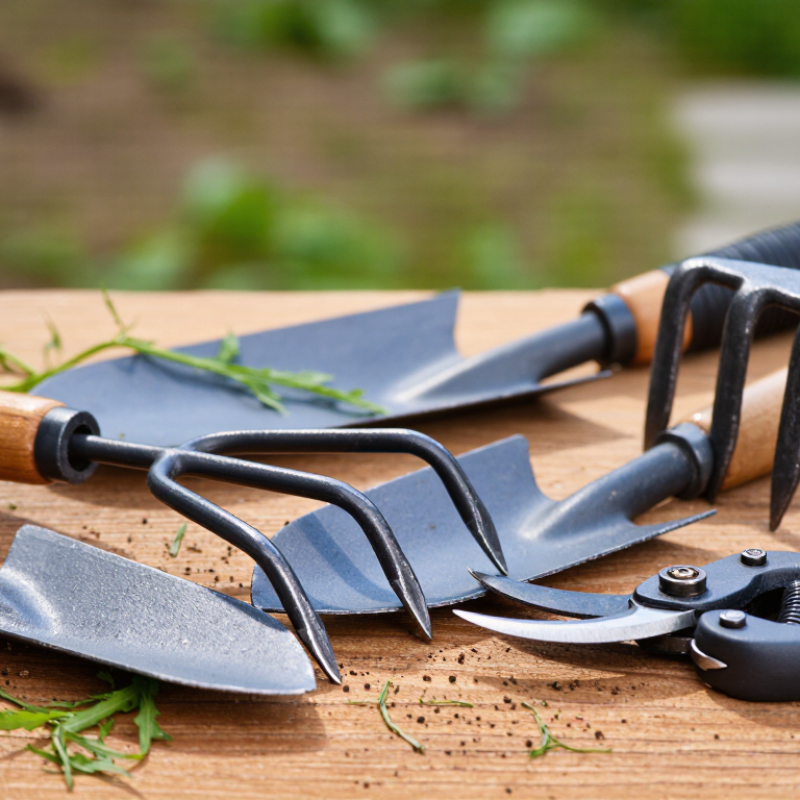
Before choosing a heavy-duty garden tool set, list the jobs it must handle. Digging compacted clay calls for a strong, narrow-bladed spade; pruning woody stems needs bypass loppers with long handles. For raised beds, lighter hand tools may be more useful than bulky digging equipment. Consider how often each tool will be used, too. A tool that feels sturdy in a shop can become tiring after an hour.
The National Gardening Association’s 2022 National Gardening Survey reported that 80% of U.S. households gardened in 2021. That figure reflects participation, not heavy-duty tool demand, but it signals how varied home gardens can be. Soil and weather vary just as much. USDA NRCS soil surveys describe local soil characteristics, including texture and drainage; check yours before selecting tools for digging or cultivation. Wet, sticky soil behaves differently from dry, stony ground. Small detail, big difference.
Tips: Match tool weight to the job and your grip. Check blade width, handle length, and joint strength. If possible, test a tool with gloves on. Do not assume the heaviest option is the toughest choice; awkward balance can slow repeated work. Also note seasonal tasks: clearing thick stems in autumn may require different tools than planting seedlings in spring. A short task list helps prevent paying for tools that stay unused in the shed.
Compare Tool Materials, Construction, and Expected Durability
A durable set starts with materials suited to damp soil and repeated pressure. Stainless steel resists rust, while carbon steel can offer strength but needs drying after use. Aluminum is lighter, though it may not suit every digging task. Weight matters. Handles deserve equal attention: hardwood feels warm and firm, while fiberglass generally handles moisture well. Check for secure joints between each head and handle. A loose connection can make even thick metal frustrating to use.
Tips: Hold each tool if possible. Look for smooth grips, sturdy rivets, and no wobble where the head meets the handle. Wipe metal dry after wet jobs.
Construction affects service life as much as material choice. A solid connection and clean welds can withstand twisting in compacted soil better than a flimsy attachment. For pruners, inspect the pivot and blade alignment; a stiff or uneven cut may signal poor fit. No material wins every time. A shiny finish can look convincing, but it does not prove the tool will last. Consider your soil, how often you garden, and whether you will maintain the set. Even heavy-duty tools can wear sooner if left outdoors.
Choose tools for the work your garden actually demands, not the size of a boxed set. A small raised bed with herbs needs a hand trowel, narrow cultivator, and sharp snips. A larger plot with shrubs calls for a digging fork, long-handled spade, and sturdy bypass pruners.
The National Gardening Association’s 2023 National Gardening Survey reported that 80% of U.S. households took part in lawn and garden activities. Yet a popular hobby does not require every gardener to own the same tools.
Match tool shape and strength to your soil and plants. Dense clay can bend a thin trowel; look for a solid metal head and a handle that feels secure when the soil is wet. For roses or woody stems, choose pruners sized to your hand, then check their stated cutting capacity.
Small hands matter. Heavy-duty should mean durable, not exhausting. I would pause before buying a large set: a tool that strains your wrist may stay in the shed.
Watering needs also vary by garden. The U.S. Environmental Protection Agency’s Outdoor Water Use report estimates that outdoor use accounts for about 30% of household water use on average, and more than 60% in some arid areas.
A hose with a controlled nozzle may suit thirsty beds; drought-tolerant plants may need less frequent watering. Check fittings, tool weight, and replacement-part availability before buying. Even careful choices can miss the mark. Start with essentials, then add tools as real tasks reveal what is lacking.
A heavy-duty garden tool should feel controlled, not merely sturdy. Wrap your hand around the grip and check that your fingers meet your palm without strain. A handle that is too narrow can demand a tighter squeeze; one that is too thick may tire smaller hands. Try the tool with work gloves on. The texture should stay secure when damp, without sharp seams pressing into your thumb. Small details matter.
Weight is only useful when judged in motion. Lift a spade, turn it, then make a short digging stroke; notice whether the head pulls your wrist forward. A slightly lighter tool may be harder to control if its balance is poor. For powered tools, consult the manufacturer’s vibration figures and consider your expected use time. The UK Health and Safety Executive’s Hand-arm vibration at work guide sets an exposure action value of 2.5 m/s² A(8) and a limit value of 5 m/s² A(8). These are daily exposure benchmarks, not a comfort score. I would not choose by numbers alone; a brief shop-floor test cannot fully reproduce a wet, tiring afternoon. Check that you can change grip and carry the tool without awkward wrist angles. That test helps.
| Tool type | Typical weight | Grip and handle features to check | Handling considerations | Good fit when… |
|---|---|---|---|---|
| Digging spade | About 1.5–2.5 kg | Look for a secure D- or T-shaped top grip and a shaft that feels comfortable with gloves. | A longer shaft can improve leverage but may feel less manageable in tight spaces. | You regularly turn soil or dig planting holes. |
| Garden fork | About 1.6–2.6 kg | Check that the handle is firmly joined to the head and the top grip allows a steady two-handed hold. | The tines help loosen compacted soil; a heavier head takes more effort to lift repeatedly. | You need to loosen soil or lift compost and garden debris. |
| Bow rake | About 1.2–2.2 kg | A smooth, straight shaft and a comfortable end grip help maintain control through repeated strokes. | A longer handle offers reach; make sure it does not force you to overextend. | You level soil, break clumps, or move gravel and mulch. |
| Long-handled loppers | About 0.7–1.5 kg | Choose non-slip handles that fit your hand and stay comfortable when fully extended. | Long handles increase reach and leverage but can make overhead cuts tiring. | You prune branches beyond the reach of hand pruners. |
| Bypass hand pruners | About 0.2–0.4 kg | Test the handle span, spring action, and lock; the handles should not pinch your fingers. | A comfortable fit helps with repeated cuts. Confirm the cutting capacity suits the stems you prune. | You trim live stems and small branches by hand. |
| Long-handled hoe | About 0.8–1.6 kg | Look for a balanced shaft with a smooth surface and a head attachment that does not wobble. | A manageable weight makes sweeping and chopping motions easier to control. | You weed or cultivate soil between rows and around plants. |
Weight ranges are approximate and vary by tool size, materials, and construction. When possible, hold tools with gardening gloves on and check that the grip, balance, and reach feel comfortable for your body and tasks.
A heavy-duty garden tool set should be easy to maintain after real work, not just sturdy on a store shelf. Look for carbon or stainless steel heads, secure handle joints, and smooth surfaces that are simple to wipe clean. After cutting damp roots, dry the blades before putting them away. A light coat of oil can help limit rust, though it adds one more task to remember. Check whether replacement parts, such as screws or blade springs, are available.
Storage affects how often tools stay in good condition. A wall rack keeps long handles off wet floors, while a ventilated case can protect smaller tools from dust. Measure your shed space before choosing a bulky set. If tools will ride in a vehicle, check that the case latches securely and does not let sharp edges shift around. Small details matter.
Warranty coverage deserves a careful read. Check which parts are covered, how long coverage lasts, and whether normal wear is excluded. Some warranties require proof of purchase, so keep the receipt somewhere dry. Check the fine print. A long warranty may sound reassuring, but it is less useful if common parts are excluded or claims require difficult shipping. I would compare the written terms with the set’s repair options, and admit that those details are easy to overlook when the tools feel solid in hand.
Example annual maintenance schedule for a household using its tools about once a week. These are planning frequencies, not universal requirements; follow each tool’s care instructions.
Choose tools that are easy to clean and maintain, and make sure you have a dry, accessible place to store them. Before buying, also check what the warranty covers, how long coverage lasts, and whether normal wear or improper care is excluded.
Stainless steel resists rust. Carbon steel can be strong, but dry it after use. Aluminum is lighter, though it may not suit every digging job.
Look for secure rivets, clean welds, and a firm connection between the head and handle. Give the head a gentle twist. No wobble.
The grip should feel secure without sharp seams pressing into your thumb. Try it with work gloves on. Comfort matters.
Not always. Lift and turn the tool, then try a short digging stroke. If the head pulls your wrist forward, its balance may be poor.
Inspect the pivot and blade alignment. A stiff or uneven cut may point to a poor fit.
Wipe metal dry before storage. A light coat of oil can help limit rust, but it is another task to remember.
A wall rack keeps long handles off wet floors. Measure your shed before choosing a bulky set. For travel, check that the case latches securely.
Check coverage length, excluded wear, and whether replacement parts are available. Keep the receipt somewhere dry. I might overlook this when a tool feels solid.
Choosing a heavy-duty garden tool set starts with considering the work it needs to handle, such as digging compacted soil, pruning thick stems, or planting in raised beds. Think about your garden’s size, soil conditions, and plant types, then select a practical mix of tools for those tasks. What to look for in a heavy-duty garden tool set includes sturdy materials, solid construction, and joints that feel secure, since these details can affect how well tools hold up with regular use.
Comfort and upkeep matter too. Check that handles provide a steady, comfortable grip and that each tool feels manageable for extended use. Consider how easily tools can be cleaned, whether they can be stored safely and neatly, and what warranty coverage is included. A well-chosen set should balance durability, usefulness, and ease of handling, giving you reliable tools suited to your garden without adding unnecessary pieces.
Moxie Garden