How to Stop Hand Tools Rusting So Fast in 2026?

Time:2026-11-02 Author:Ethan
0%

A bright steel wrench can turn orange after one damp night in a garage. That change is frustrating, especially when the tool looked clean the day before. If you are asking, “Why are my hand tools rusting so fast,” the answer is usually a combination of moisture, salt, skin oils, and poor airflow. Even a thin film of condensation can start corrosion on bare steel. A concrete floor, a leaky wall, or a toolbox opened after cold outdoor work can quietly add moisture.

Corrosion scientist David A. Jones describes the process as “the destructive attack of a material by reaction with its environment.” That principle explains why wiping tools after use matters, but it is not the whole story. A dry cloth removes visible moisture; it may not remove salty fingerprints or residue from cutting fluids. Store tools dry, separate them from damp rags, and apply a light protective oil to exposed steel. Silica gel can help in a closed drawer, though it needs replacement or recharging. No magic fix.

The details matter. Check the underside of a wrench tray, the hinge of a tape measure, and the teeth of a saw. Those spots hold grime and moisture longer than a broad, exposed surface. A quick inspection each week can catch orange specks before they spread. Still, oil can collect dust, and desiccants cannot rescue a persistently wet shed. The honest answer is that rust prevention takes a small routine, not one perfect product. Miss a day? Clean the tool and restart.
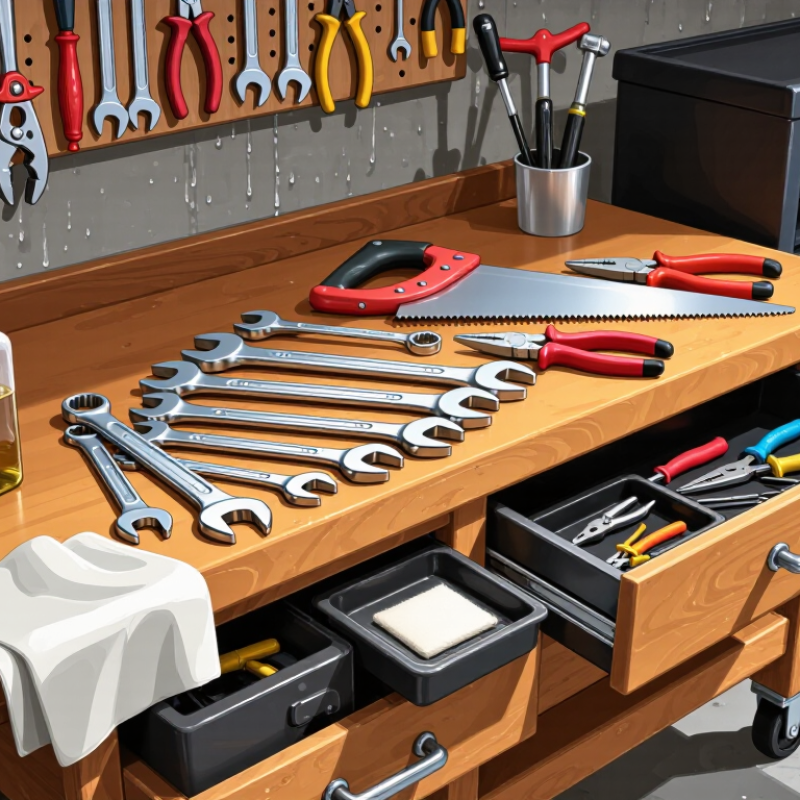
How to Stop Hand Tools Rusting So Fast in 2026?

How Rust Develops on Hand Tools

Rust begins when iron in a hand tool meets both oxygen and moisture. The reaction forms iron oxides, commonly called rust. A damp film can be enough; the tool need not be visibly wet. Salt from sweaty fingers, workshop dust, and mild acids can help the reaction move faster by making moisture more conductive. Rust is not just a surface stain. Its flaky, porous layer can hold water against the metal and expose fresh iron as it breaks away.

Storage conditions often explain why one tool rusts sooner than another. A cold wrench brought into a warm room may collect condensation, especially in a humid workshop. Scratches and worn plating also give moisture easier access to the underlying steel. I have found that a tool can look dry yet still feel slightly tacky near its handle or in its joints. That detail is easy to miss.

Tips: Wipe tools after handling, including around hinges and teeth. Dry them before storing, and avoid leaving them on a concrete floor, which can stay damp. A light protective oil film helps block moisture. Check the tool again after humid weather; storage habits are not always perfect.

Which Conditions Make Tools Rust Faster

Moisture is the main accelerant, but the way it reaches steel matters. A damp garage, basement, or shed can keep tool surfaces wet for hours. In persistently humid air, corrosion becomes more likely, especially when tools sit untouched. Temperature swings add another problem: a cold wrench brought into a warm room can collect condensation. That thin film is easy to miss. Check the jaws and hinge pins, where droplets can linger.

Salt and grime make dampness more damaging. Sweat leaves salts from fingerprints, while road dust or workshop residue can hold moisture against a surface. Small things count. A tool returned to a foam-lined case while still wet may stay damp long after the outside feels dry. Poor airflow makes this worse. I used to think a closed drawer was always protective; it can actually trap humid air. That assumption needs checking. Store tools dry, wipe off residue after use, and avoid leaving them against wet concrete or in a car overnight.

How to Stop Hand Tools Rusting So Fast in 2026? — Which Conditions Make Tools Rust Faster

Condition Why It Speeds Up Rust Relative Risk Practical Prevention
Persistent moisture or condensation Rust forms when iron or steel is exposed to oxygen and water. Damp air, wet surfaces, and repeated condensation keep the surface wet for longer. High when prolonged Dry tools fully after use. Store them in a dry, ventilated place and reduce condensation with sealed storage or a suitable desiccant.
Salt or chloride exposure Salt in sweat, coastal air, or de-icing residue makes surface moisture more conductive and can accelerate corrosion. High Wipe off residue promptly with a clean, slightly damp cloth, dry thoroughly, and apply a thin protective oil film where appropriate.
Acidic or corrosive residues Some cleaners, chemicals, and workshop residues can attack metal or disrupt protective surface films, especially when left on the tool. High if left on the surface Follow the chemical’s handling instructions, remove residue safely, and dry the tool before storage.
Warm, damp storage Higher temperatures can speed many corrosion reactions, while moisture supplies the conditions rust needs. Temperature changes may also cause condensation. Medium to high, depending on moisture Keep tools away from damp areas and sudden temperature changes. Prioritize keeping metal surfaces dry.
Wet dirt, sawdust, or other debris left on the tool Debris can hold moisture against steel and make it harder for the surface to dry completely. Medium Brush away debris after use, clean crevices, and let the tool dry before putting it away.
Frequent handling without wiping Fingerprints can leave moisture and salts on bare steel, creating localized spots where corrosion may begin. Medium Wipe bare metal after handling, particularly before long-term storage or work in humid conditions.
Damaged plating, coating, or protective finish Scratches and worn areas expose underlying metal to air and moisture. Corrosion can begin at those exposed spots. Variable Inspect tools periodically. Clean and protect exposed areas; repair or replace badly damaged tools when necessary.
Long-term storage in damp fabric, leather, or unventilated cases Some storage materials can retain moisture or restrict airflow, keeping the tool damp after use. Medium to high if damp Store tools clean and dry. Keep cases dry, allow airflow where practical, and avoid packing away wet tools.

Note: Relative risk is a practical comparison, not a laboratory measurement. Actual rusting depends on the tool’s metal and finish, exposure time, and local conditions.

How to Remove Moisture and Surface Rust

Moisture often remains in the places you cannot see: hinge joints, socket corners, and the teeth of a wrench. Wipe each tool with a clean, dry cloth after use, then leave it open in a ventilated area until fully dry. A damp cloth can spread moisture if it is reused, so check it before wiping. Small details matter.

For light surface rust, scrub gently with a fine abrasive pad or a soft wire brush, following the tool maker’s care guidance when available. Work over a cloth, and wear eye protection to keep rust flakes away from your eyes. Wipe off the residue, dry the metal completely, and apply a thin coat of tool oil. Avoid soaking tools with wooden handles; liquid can loosen or damage them. Deep pitting or rust around a cutting edge may affect safe use, so cleaning alone may not be enough. It is easy to miss rust inside a joint.

Tips: Store tools in a dry drawer or sealed toolbox with a moisture absorber. Check the corners every few weeks, especially after humid weather. If a tool still feels damp, give it more time before storage.

How to Apply a Protective Coating

A protective coating works only when it touches clean, dry steel. Brush away grit, then wipe off sweat and fingerprints with a clean cloth. If a tool is already rusty, remove loose rust before coating; sealing over it can leave corrosion active underneath. Let the metal dry fully. Even a damp socket can hide trouble.

Apply a thin film of corrosion-inhibiting oil or paste wax to exposed metal, then wipe away the excess. Pay attention to plier joints, wrench jaws, and the teeth of saws. Keep oily coatings off handles and gripping surfaces. Thin beats thick. For tools stored between jobs, use a dry cabinet or a sealed toolbox with a desiccant, and renew the coating when metal looks dull or feels dry. It is easy to miss the corners. Check them during routine cleanup. AMPP’s 2016 IMPACT study estimated global corrosion costs at US$2.5 trillion annually, or 3.4% of global GDP; that broad figure is not tool-specific, but it shows why prevention matters. A coating is not permanent protection, and wiping tools down after damp work remains the step people skip.

How to Store and Inspect Tools for Ongoing Protection

Hand tools last longer when they go away clean and dry. Wipe off sweat, dust, and cutting residue before storage. Pay close attention to joints, teeth, and the narrow gap between a wrench’s jaws. A dry cloth often does the job. If a tool has been exposed to water, dry it fully before putting it away. Trapped moisture can start rust in places you may not notice.

Inspect tools regularly, not only when a job begins. Look for orange specks, rough patches, loose handles, and stiff hinges. Catching a small spot early makes cleanup easier. Apply a very thin coat of tool-safe oil to bare steel, then wipe away the excess. Too much oil attracts dust and can leave handles slippery. Check hinges and moving parts, but follow the tool maker’s care instructions when available.

Choose a dry storage spot away from damp floors, leaking pipes, and exterior walls that grow cold. A cabinet with airflow is often better than a sealed box holding humid air. Keep tools separated so wet metal cannot touch other tools. Small desiccant packs may help in a closed drawer, but they need replacing. It is easy to forget an inspection during a busy week; a simple monthly check is more realistic than relying on memory.

How humidity affects tool storage

Values show the calculated dew point for air at 20°C (68°F), using the Magnus approximation. If a tool’s surface cools to or below the dew point, moisture can condense on it and encourage rust. Store tools dry, avoid damp temperature swings, and inspect them after exposure to moisture.

FAQS

What causes rust on hand tools?

Rust forms when iron or steel meets oxygen and moisture. A thin damp film can be enough.

Why can a tool rust even when it looks dry?

Condensation may leave a nearly invisible layer of moisture. Check wrench jaws, hinge pins, and socket corners.

Which storage conditions increase rust risk?

Humid garages, basements, and sheds can keep tools damp for hours. Poor airflow makes it worse.

How do sweat and grime affect tools?

Fingerprints leave salts, while dust can hold moisture against steel. Wipe both away after use.

What is the best way to apply a protective coating?

Clean and dry the metal first. Apply a thin film of protective oil or paste wax, then wipe off excess.

Should I coat a rusty tool without cleaning it?

No. Remove loose rust first, or corrosion may continue beneath the coating. It is an easy step to overlook.

Which parts need extra attention during cleanup?

Check plier joints, wrench jaws, and saw teeth. I still miss the corners sometimes.

How can I store tools between jobs?

Use a dry cabinet or toolbox with a desiccant. Avoid wet concrete and check tools after humid weather.

Conclusion

Hand tools rust when iron or steel reacts with moisture and oxygen, forming corrosion that can gradually weaken surfaces and moving parts. If you’re asking, “Why are my hand tools rusting so fast,” the cause may be frequent exposure to damp air, sweat, water, or temperature changes that create condensation. Dirt and old residue can also hold moisture against metal, while scratches or worn finishes leave the surface less protected.

To slow rust, dry tools thoroughly after use and remove light surface rust with a suitable abrasive or rust-removal method. Apply a thin, even protective coating to clean, dry metal, wiping away excess so handles and working surfaces remain comfortable and safe to use. Store tools in a dry, ventilated place, away from damp floors and walls; a sealed container with moisture control can offer extra protection. Check tools regularly for spots, clean them promptly, and renew the coating as needed to keep corrosion from spreading.

Ethan

Ethan

Ethan is a seasoned marketing professional with a deep expertise in our company's innovative product line. With a passion for sharing knowledge and insights, he takes the lead in regularly updating our corporate blog, where he explores industry trends, product features, and effective marketing......