Choosing the right tools can make container gardening easier, cleaner, and more enjoyable. Yet beginners often buy too much. A compact balcony does not need a shed full of equipment. It needs practical tools that match the containers, plants, and available space.
So, what tools do I need for container gardening? This guide explores the essentials for planting, watering, pruning, feeding, and maintaining potted plants in 2026. You will see why a hand trowel, narrow cultivator, watering can, pruning snips, gloves, and moisture meter often form a useful starting kit. Each tool has a clear job. A stainless-steel trowel moves potting mix into narrow pots. Sharp snips remove faded flowers without crushing stems. A long-spout watering can reaches behind crowded foliage.
Monty Don, a respected British gardener and broadcaster, has said, “The most important thing in gardening is to get your hands dirty.” That advice still matters. Tools support experience, but they cannot replace observation. Feel the soil before watering. Check drainage holes. Notice yellow leaves.
Small details matter.
Some recommendations may not suit every gardener. A moisture meter can help, but it may encourage less careful observation. Cheap tools can perform well, yet weak handles and rusty blades create frustration. I have found that simple tools are usually used more often than clever gadgets. This article compares practical options, explains their best uses, and identifies where spending more may genuinely improve container care.
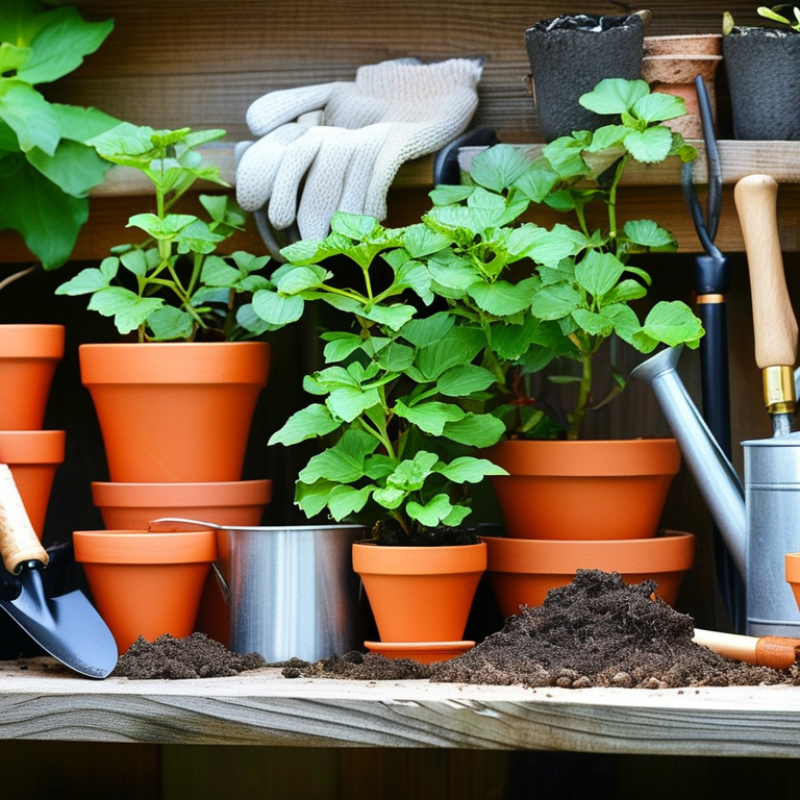
Starting a container garden in 2026 does not require a crowded tool shed. A sturdy hand trowel, sharp pruning shears, and durable gloves cover most daily tasks. Choose a narrow-spout watering can for controlled watering around stems. It helps prevent soil erosion and wet leaves. A small scoop also makes filling pots cleaner and faster.
Drainage tools matter just as much. Keep a drill with suitable bits for containers lacking drainage holes. Use a saucer beneath each pot to protect floors and balconies. A moisture meter can help beginners, but your finger remains useful. Push it two centimeters into the soil. If the surface feels dry, check deeper before watering. Add plant labels and a pencil, especially when growing several herbs.
I often keep a soft brush nearby for removing soil from leaves and work surfaces. A small measuring tape helps space containers and estimate sunlight exposure. For climbing plants, add simple stakes before stems become tangled. Do not buy every gadget immediately. I once trusted a moisture meter too much and ignored a wilted plant’s poor drainage. That mistake changed my routine. Now I inspect roots, pot weight, and leaf color together. Clean tools after pruning, and keep blades dry to reduce rust and disease transfer. Safety still deserves attention, even in a small garden.
In 2026, container gardening begins with the right pot, not the most attractive one. I choose containers with drainage holes, stable bases, and enough room for mature roots. A pot should usually be 5–10 centimeters wider than the plant’s root ball. Small herb pots dry quickly, while deep containers suit tomatoes and larger vegetables.
Material changes watering needs. Terracotta allows air movement but loses moisture faster. Plastic holds water longer and weighs less. I once placed a young pepper in an oversized pot, and the wet mix stayed cold for days. That mistake taught me to increase container size gradually. A hand trowel and measuring tape are more useful than decorative accessories.
Use a quality potting mix rather than garden soil, which can become dense and restrict roots. A reliable mix contains materials that hold moisture while leaving air spaces, such as composted organic matter, fine bark, and mineral particles. Keep it simple. Before planting, squeeze a handful; it should hold together briefly, then crumble easily. If water sits on top, the mix needs improvement.
Proper drainage depends on the hole, not a gravel layer. Gravel can reduce usable root space and keep moisture trapped above it. Place the container on small feet so excess water can escape freely. Water slowly until it runs from the bottom, then empty the saucer. I still overwater during cool, cloudy weeks. Plants reveal errors. Monitor leaf color, soil weight, and drying speed instead of following a rigid schedule.
For 2026 container gardening, compact hand tools matter more than a crowded shed. I choose a narrow trowel with depth marks for planting herbs and seedlings. Its pointed blade slips between roots without scraping the pot wall. A comfortable grip reduces wrist strain during repeated balcony work. A small dibber makes even holes, although I sometimes press too deeply. That mistake reminds me to check root size instead of following fixed measurements. Keep it simple. A hand fork loosens crusted compost and lifts shallow weeds around stems. For transplanting, a soil scoop helps preserve a loose root ball.
Pruning requires a sharp bypass pruner for clean cuts on thin stems. Test it gently. If it crushes tissue, stop and sharpen or replace it. Clean cuts support healthier regrowth and reduce damaged surfaces. For small containers, long handles can cause accidental damage. A narrow snip reaches crowded basil, faded flowers, and soft shoots. Before transplanting, water the plant lightly, then wait until the soil holds together. I loosen the root ball gradually and keep fine roots damp. A transplanting knife can divide tangled roots, but force is risky. I still lose an occasional root; careful work is not perfect. After use, brush soil from metal surfaces and dry tools indoors. Dirty, damp blades may spread problems between pots.
Typical working ranges help match hand tools to container-gardening tasks. Dibbers and trowels are selected by planting depth, while pruning tools are selected by the stem diameter they can safely cut. Actual capacity varies with soil, plant type, tool design, and user technique.
In 2026, container gardening tools should make watering, feeding, and pest control more precise. A narrow-spout watering can suits seedlings, while a hose wand with a gentle shower setting protects loose potting mix. EPA WaterSense reports that outdoor use accounts for nearly 30% of household water consumption, and more than half may be lost through evaporation or runoff. A moisture meter helps, but I still test the soil with one finger. Sensors can misread dense compost.
Feeding needs measurement, not guesswork. Use a small digital scale, a marked mixing jug, and a slow-release fertilizer suited to container plants. The Food and Agriculture Organization reports that agriculture uses about 70% of global freshwater withdrawals. Containers need far less water, yet salts can accumulate quickly. Flush pots occasionally, especially after repeated liquid feeding. I have overfed herbs before. Their leaves became dark, soft, and disappointing.
Pest control works best with inspection tools. Keep a hand lens beside the pots and check leaf undersides, stems, and drainage areas twice weekly. Sticky monitoring cards can reveal flying pests early, while a strong water spray may remove aphids without harsh treatment. University integrated pest management guidance recommends identifying the pest before choosing control methods. That step feels slow. It prevents worse mistakes. Record dates, symptoms, watering, and feeding amounts in a simple notebook. Patterns often appear before damage becomes obvious.
Container gardening depends on steady seasonal care, not expensive equipment. A hand trowel, pruning scissors, watering can, and drainage tray cover most daily tasks. I check containers each morning during hot weather. Small pots can become dry before sunset.
In spring, I loosen compacted soil and remove weak stems. Fresh compost helps, but too much can hold excess moisture. During summer, I water slowly until it drains below the pot. I also rotate containers every few days, so plants receive balanced light. In autumn, I remove fallen leaves before they stay wet. Winter care requires shelter from harsh wind and frozen ground. Some plants need less water than expected. I learned this after losing one to soggy roots.
Tips: Touch the soil before watering. If the top two centimeters feel dry, water deeply. Clean cutting tools before pruning, especially after removing diseased leaves. Use a saucer carefully, and empty it after heavy rain. Keep a simple seasonal note. It helps reveal patterns, although my records are not always consistent.
Check drainage holes regularly. Roots can block them with fine soil. Lift large containers with help, since wet soil becomes surprisingly heavy. Replace damaged supports before storms arrive. A little preparation often prevents broken stems and stressed plants.
| Tool or Supply | Primary Use | Most Useful Season | Recommended Features | Care or Maintenance | Typical Use Frequency |
|---|---|---|---|---|---|
| Watering Can with Narrow Spout | Delivers water accurately to the soil and reduces leaf splash. | Spring through early autumn | Balanced handle, removable rose, and capacity that can be lifted comfortably when full. | Empty before freezing weather and rinse regularly to prevent mineral buildup. | As needed; often daily during hot, dry periods. |
| Moisture Meter | Checks moisture below the surface where dry soil may not be visible. | All seasons | Probe suited to container depth and a clear, easy-to-read scale. | Wipe the probe after use; do not leave it permanently in wet soil. | Before watering unfamiliar plants or during weather changes. |
| Hand Trowel | Fills containers, transplants seedlings, and loosens the upper soil layer. | Spring and autumn | Narrow blade, depth markings, and a comfortable non-slip grip. | Remove soil after use and dry the blade to limit corrosion. | Whenever planting, repotting, or refreshing potting mix. |
| Bypass Pruning Shears | Cuts soft stems, removes dead growth, and shapes many container plants. | Spring through autumn | Sharp blades, a secure lock, and a size suitable for the user’s hand. | Disinfect blades between plants and sharpen when cuts become ragged. | Weekly inspection during active growth; prune only when needed. |
| Plant Labels and Waterproof Marker | Records plant names, sowing dates, feeding dates, and care notes. | All seasons | Weather-resistant surface and writing that remains legible when wet. | Clean and reuse labels when changing seasonal crops. | At sowing, planting, and whenever containers are rearranged. |
| Plant Support Stakes and Ties | Supports tall, flowering, or fruiting plants and prevents stem breakage. | Spring through autumn | Flexible ties and stakes that are tall enough to support mature growth. | Check ties for tightness and remove supports after seasonal growth ends. | Check weekly during rapid growth or windy weather. |
| Drainage Tray or Saucer | Protects surfaces and catches excess water draining from containers. | All seasons | Stable base, adequate diameter, and enough depth to catch runoff without submerging the pot. | Empty standing water after watering to reduce root-rot risk and mosquito breeding. | Check after every thorough watering or rainfall. |
| Pot Brush and Soft Scrub Brush | Removes old soil, algae, and salt deposits from containers. | Autumn and winter cleaning | Firm bristles for pots and a smaller brush for drainage holes. | Wash, disinfect, and dry brushes after cleaning diseased or infested plants. | Between crop cycles and before reusing containers. |
| Garden Gloves | Protects hands from rough containers, soil irritation, thorns, and splinters. | All seasons | Correct fit, breathable fabric, and reinforced palms when handling heavy pots. | Wash according to the material and allow to dry fully before storage. | Whenever handling soil, plants, fertilizers, or containers. |
| Hand Cultivator | Loosens compacted surface soil and helps remove small weeds. | Spring through autumn | Three narrow tines with spacing suitable for small containers. | Clean soil from tines and avoid disturbing shallow plant roots. | As needed when the surface becomes crusted or weeds appear. |
| Frost Cloth or Plant Cover | Provides temporary protection from light frost and cold wind. | Autumn through early spring | Breathable fabric that reaches the container base without crushing foliage. | Remove during warm daylight and dry completely before storage. | Use when frost is forecast; do not rely on it during severe freezes. |
| Pot Dolly or Rolling Plant Stand | Makes heavy containers easier to move for sunlight, cleaning, or winter protection. | All seasons | Load rating above the fully watered pot weight and lockable casters. | Inspect wheels, locks, and frame; keep moving parts free of debris. | Whenever light, weather, or plant placement changes. |
: A hand trowel, pruning shears, gloves, and a narrow-spout watering can cover most tasks. A small scoop keeps pot filling tidy. You need fewer tools than expected.
Touch the soil about two centimeters deep before watering. If it feels dry, water slowly until excess moisture drains below the pot. Avoid wetting leaves when possible. Small pots may dry before sunset.
Drainage holes let excess water escape and help prevent soggy roots. Use a drill with a suitable bit if a container lacks holes. Place a saucer underneath to protect floors. Empty it after heavy rain.
A moisture meter can help beginners, but your finger remains useful. Check soil depth, pot weight, root condition, and leaf color together. Do not trust one reading completely. I once did.
Spring care includes loosening compacted soil and removing weak stems. Summer requires slower watering and occasional container rotation. In autumn, remove wet fallen leaves. During winter, protect pots from harsh wind and frozen ground.
Clean cutting tools after pruning, especially after removing unhealthy leaves. Dry the blades before storage to reduce rust and possible disease transfer. A soft brush removes soil from leaves and work surfaces. Clean tools matter.
Add stakes before climbing stems become tangled. Check supports before storms and replace damaged ones early. A loose support can break several stems overnight. Small preparation helps.
Do not buy every gardening gadget immediately. Too much compost may retain excess moisture, and winter plants often need less water. I lost a plant to soggy roots. My seasonal notes also remain inconsistent, so observation still matters.
Starting a container garden in 2026 is simple when you begin with the right tools and supplies. What tools do I need for container gardening? Start with suitable containers that have drainage holes, a quality potting mix, and trays to protect surfaces from excess water. Basic hand tools, such as a small trowel, hand fork, pruning shears, and gardening gloves, make planting, transplanting, and trimming easier. A measuring scoop can also help you portion soil amendments and fertilizer accurately.
Regular care requires a watering can or hose attachment that delivers gentle moisture without disturbing the soil. A spray bottle or pump sprayer can support routine pest inspection and treatment with appropriate garden products. As seasons change, use supports for tall plants, clean tools after use, refresh potting mix when needed, and move containers to provide suitable light and protection from harsh weather. With organized equipment and consistent maintenance, container plants can remain healthy, productive, and attractive throughout the growing season.

Moxie Garden