How to Choose a Soil Moisture Meter for Your Garden Needs?

Time:2026-06-25 Author:Ethan
0%

Gardening is both an art and a science. Ensuring plants receive the right amount of moisture is crucial for their health. Many gardeners ask, "Why do I need a soil moisture meter?" This tool can be invaluable in achieving optimal soil conditions. A meter helps you understand when to water.

Without proper moisture control, plants can suffer. Overwatering leads to root rot, while underwatering can cause wilting and death. A soil moisture meter provides precise readings. It eliminates the guessing game. You’ll know when your plants need hydration most.

Choosing the right meter can be daunting. Different models are available, each with unique features. Look for one that fits your specific gardening needs. Consider factors like ease of use and responsiveness. A reliable soil moisture meter can transform your gardening experience. It fosters healthy growth and enhances your garden's beauty.
How to Choose a Soil Moisture Meter for Your Garden Needs?

Types of Soil Moisture Meters for Gardening Use

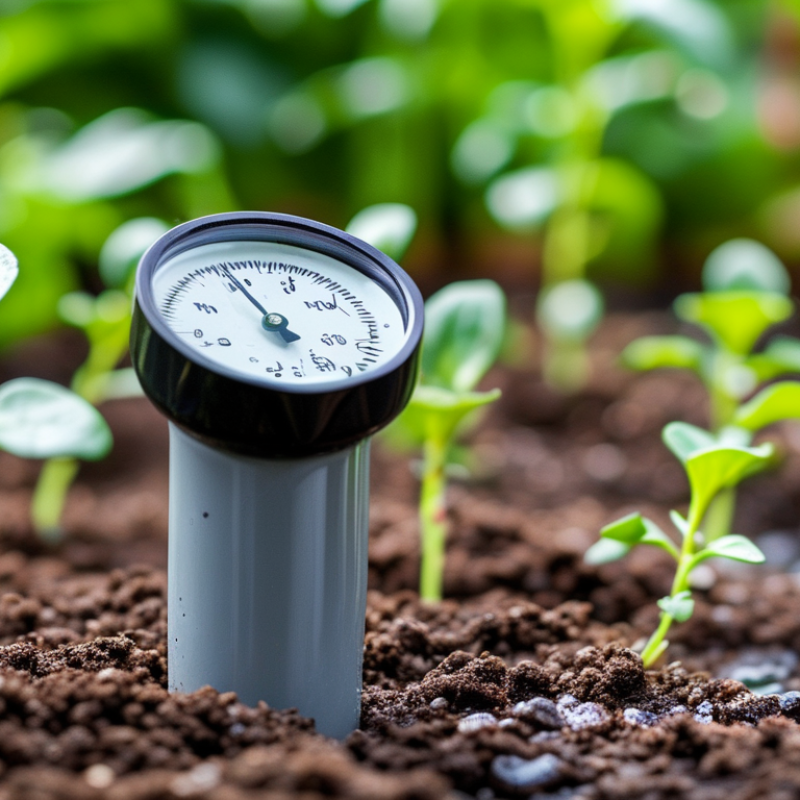
When choosing a soil moisture meter for gardening, understanding the various types available is essential. Broadly, there are analog and digital meters. Analog meters display moisture levels on a dial. They are simple and often more affordable. However, they may lack precise readings. A gardener may find it challenging to see minute changes in moisture levels.

Digital meters use sensors to provide readings on a screen. They often include more features, like temperature readings. However, they can be costlier and may require batteries. The accuracy of digital meters tends to be higher, making them popular among serious gardeners. Understanding the specific needs of your garden, such as plant types and soil conditions, can guide your choice.

In recent years, more advanced options have emerged, like moisture meters with smartphone connectivity. These can offer in-depth data analysis. Still, they may overwhelm casual gardeners. Reflecting on what you truly need will help narrow your options. Gardening should be enjoyable, not bogged down by overly complex tools. Finding the right balance between convenience and effectiveness is key.

Soil Moisture Levels in Different Soil Types

Key Features to Consider When Selecting a Soil Moisture Meter

Choosing the right soil moisture meter for your garden is crucial. Several key features can enhance your gardening experience. A reliable moisture meter provides accurate readings. Look for meters that display moisture levels clearly. A digital display can offer precision. Analog models may be simpler, but they can lack accuracy.

Consider the probe length. A longer probe can measure deeper soil layers. This is essential for deep-rooted plants. Some meters offer multiple probes to assess different areas. This feature can help you understand moisture distribution.

Tips for selection: check battery life for digital models. You want a meter that lasts through multiple uses. Look for durable materials that withstand outdoor conditions. They should be able to handle moisture exposure. Be aware: some meters may not work well in extremely dry or saturated soils. Reading reviews from gardening communities can offer valuable insights. Investing time in research pays off in healthy plants.

How to Properly Use a Soil Moisture Meter in Your Garden

Using a soil moisture meter can greatly enhance your gardening efforts. Start by selecting a spot in your garden where you often water. Insert the meter's probe deeply into the soil, ensuring it reaches the root zone. This gives a more accurate reading. Familiarize yourself with the moisture scale on the meter. It usually ranges from dry to wet. Each plant has its own needs, so consider these when interpreting your readings.

After taking measurements, reflect on your watering habits. Are you overwatering? Look for signs like yellowing leaves or mold. If the meter indicates moisture, delay watering. Conversely, if readings show dryness, it's time to hydrate. Remember, consistent usage can teach you your garden's unique moisture patterns. Over time, you’ll become more attuned to your plants' needs, adapting your care routine accordingly. Every garden is different, so pay attention to feedback from the meter and from your plants.

Interpreting Soil Moisture Readings for Optimal Plant Care

Understanding soil moisture readings is crucial for effective gardening. A moisture meter is a practical tool that helps you gauge the water content in your soil accurately. Different plants have varying moisture needs. Some prefer consistently moist environments, while others thrive in drier conditions. By interpreting the readings correctly, you can ensure optimal growth for your plants.

When using a moisture meter, pay attention to the scale. Most devices have a simple numerical range. A reading of 1-3 suggests that the soil is dry; it's time to water. Readings between 3-5 indicate moderate moisture, while 6-10 may mean overwatering. However, these numbers can vary based on soil type and plant requirements. It can be challenging to find the right balance, especially for new gardeners. Regular monitoring can help you develop a better understanding of your garden's unique moisture needs.

Sometimes, the readings can be misleading. Factors like root depth and soil composition impact moisture levels. It’s essential to probe different areas in your garden to get a comprehensive view. If the readings fluctuate widely, consider the weather conditions or recent watering activities. This deepens your insight and may require you to adjust your watering schedule. Embrace the learning curve and enjoy the process of becoming more attuned to your plants.

How to Choose a Soil Moisture Meter for Your Garden Needs?

Feature Description Recommended Range
Moisture Level Indicator Visual or digital display showing soil moisture 0 - 100%
Type of Meter Analog or digital options for measuring moisture N/A
Depth of Measurement Depth at which moisture is measured 1 - 12 inches
Battery Life Duration before needing battery replacement Up to 2 years
Calibration Ability to calibrate for accurate readings Yes/No
Price Range Cost of the soil moisture meter $10 - $100

Budgeting: Affordable vs. Professional Soil Moisture Meters

When it comes to choosing a soil moisture meter, budgeting is a crucial factor. Affordable meters typically range from $10 to $30. These devices often include basic features like moisture level readings and a simple display. They provide an entry point for novice gardeners. However, their accuracy can vary based on soil type and moisture conditions. In a study by the Association of Garden Professionals, nearly 40% of users reported inaccuracies in cheaper models. This insight emphasizes the need for careful selection.


On the other hand, professional soil moisture meters can cost from $100 to $500. These devices offer advanced features, such as real-time data tracking and more precise readings. Many have multiple sensors and connectivity options for data management. Research shows that professional meters can improve crop yield by up to 15% due to better water management. Yet, the higher price can deter many gardeners. It’s essential to weigh the investment against actual gardening needs.


In both cases, consider your gardening goals and budget limitations. Sometimes, a middle-range option around $50 can provide a good balance of features and accuracy. Watch for sales and reviews to ensure reliability. Ultimately, the choice between affordable and professional meters must align with your goals and the specific needs of your garden.

FAQS

: What types of soil moisture meters are available for gardening?

: There are two main types: analog and digital. Analog meters display moisture on a dial, while digital meters provide readings on a screen.

What is an advantage of using an analog moisture meter?

Analog meters are simple and often more affordable, but they may not show precise changes in moisture levels.

Why might a gardener choose a digital moisture meter?

Digital meters offer higher accuracy and additional features, like temperature readings, making them popular among serious gardeners.

How should I use a soil moisture meter correctly?

Insert the probe deeply into the soil in a frequently watered area to get a more accurate reading for your plants.

What should I do if my meter indicates moisture when I'm about to water?

If the meter shows moisture, delay watering. Look for signs like yellowing leaves before deciding.

How can I interpret moisture readings effectively?

Pay attention to the scale; readings of 1-3 suggest dry soil, 3-5 indicates moderate moisture, and 6-10 implies overwatering.

What challenges do new gardeners face with moisture readings?

It can be hard to find balance with watering needs and interpret readings accurately. Regular monitoring helps build understanding.

Why might readings from the moisture meter be misleading?

Factors like root depth and soil type can affect moisture levels. Probing different areas can provide a better overall picture.

How can I adapt my gardening routine based on moisture readings?

Regular usage of the meter teaches you your garden's moisture patterns, helping you to adjust your watering schedule over time.

What should I consider when choosing a moisture meter?

Reflect on your gardening needs and avoid overly complex tools. Balance between convenience and effectiveness is crucial.

Conclusion

When considering the question, "Why do I need a soil moisture meter," it is essential to understand the various types of soil moisture meters available for gardening. These tools can range from simple analog gauges to advanced digital models, each offering specific benefits depending on gardening needs. Key features to consider include accuracy, depth of measurement, and ease of use to ensure the selected meter aligns with your plants' requirements.

To use a soil moisture meter effectively, proper techniques in placement and readings are crucial for optimal plant care. Interpreting the moisture levels helps gardeners make informed decisions about watering schedules, preventing over or under-watering. Additionally, understanding your budget is important, as there are affordable options that might suffice for casual gardeners, while professionals may benefit from high-end models with advanced functionalities. A good soil moisture meter ultimately enhances gardening success by promoting healthy plant growth.

Ethan

Ethan

Ethan is a seasoned marketing professional with a deep expertise in our company's innovative product line. With a passion for sharing knowledge and insights, he takes the lead in regularly updating our corporate blog, where he explores industry trends, product features, and effective marketing......