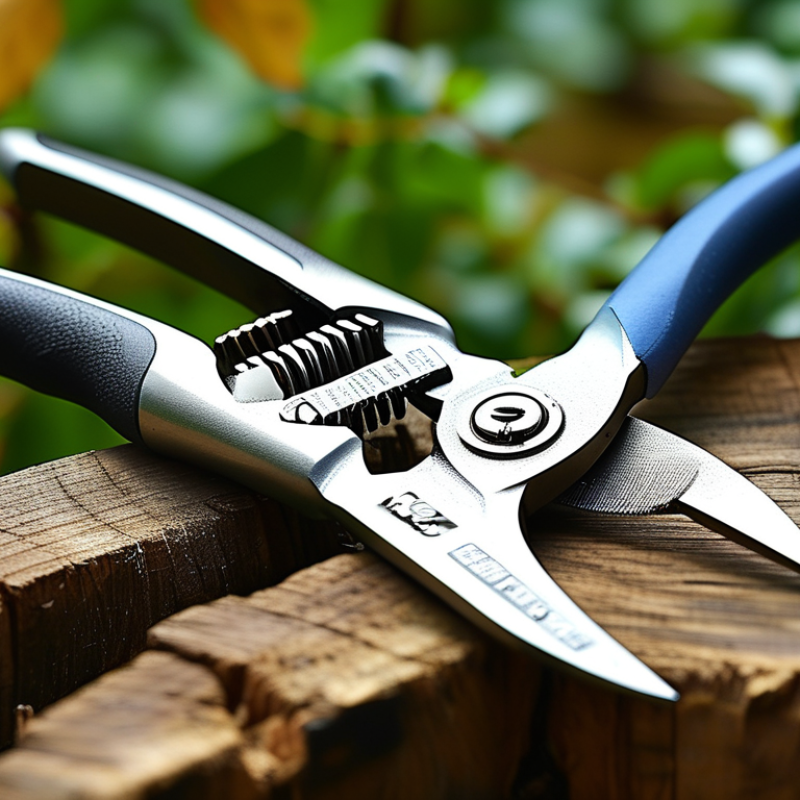
When considering garden tools, understanding their differences is crucial. This leads us to the question, "What is the difference between bypass and anvil loppers?" Bypass loppers resemble scissors. They have two curved blades that pass each other. This design makes them great for healthy plants. They create clean cuts, which helps prevent disease.
Anvil loppers, on the other hand, have a straight blade that presses against a flat surface. This design is ideal for dead wood. It’s not as precise as bypass loppers, but it can tackle tougher branches. Choosing the right tool can be confusing. Many gardeners overlook the importance of the cut type.
Selecting the appropriate lopper affects plant health and growth. A clean cut promotes healing while a bruised cut can lead to issues. Every gardener aims for effective tools. Understanding these differences can elevate your gardening experience. Always reflect on which tool fits your needs best.
Bypass loppers are essential tools for any gardener. Their unique design features two curved blades that slide past each other. This design allows for a clean cut, which is crucial for plant health. When pruning branches, clean cuts prevent the risk of disease and encourage rapid healing.
One key benefit of bypass loppers is their ability to make precise cuts. This is vital for thin branches and delicate plants. Additionally, they require less force than other types of loppers, reducing hand fatigue. This means you can work longer without discomfort.
Tips: Always inspect your loppers for damage before use. Sharp blades ensure a clean cut. Cleaning the blades after each use prevents sap buildup.
For larger branches, use bypass loppers with longer handles for added leverage. Remember not to overreach, as this can lead to accidents. Practicing good technique is essential for effective pruning. Bypass loppers may not be suitable for every task, but understanding their strengths can enhance your garden care experience.
Anvil loppers are essential tools for gardeners. They feature a single sharp blade and a flat surface. This design allows the blade to cut down on a branch while resting against the anvil, resulting in a clean cut. Anvil loppers are ideal for dead wood. The flat surface supports the branch, providing stability as you cut.
One distinct characteristic of anvil loppers is their recommended use. They are not suited for live wood. When cutting green wood, the blade can crush the fibers. This creates a rough edge and can harm the plant. It's crucial to remember this limitation. Finding the right tool for the job ensures healthy plant care.
Using anvil loppers requires some technique. Angle the tool correctly for the best results. Hold the handles firmly, but not too tight. The right grip offers better control. Practice will improve your cutting technique. Remember, each tool has its limits. Understanding those limits enhances your gardening experience.
| Feature | Bypass Loppers | Anvil Loppers |
|---|---|---|
| Cutting Mechanism | Scissor-like action | One blade against a flat surface |
| Ideal For | Live, green branches | Dead or thick branches |
| Ease of Use | Requires less effort | Can require more force |
| Cut Quality | Clean and precise cuts | Can leave a jagged edge |
| Weight | Typically lighter | Generally heavier |
| Price Range | Varies widely | Generally more affordable |
When it comes to gardening tools, understanding the key differences between bypass and anvil loppers is essential for efficient pruning. Bypass loppers have two curved blades that glide past each other. This design is ideal for making clean cuts on live branches. According to industry studies, around 70% of professional gardeners prefer bypass loppers for their precision. Anvil loppers, however, feature a single sharp blade that cuts against a flat surface. This setup is suitable for cutting dead wood or dry branches.
Tips: Always keep your loppers sharp for smoother cuts. Dull blades can crush the stems rather than slice through them. Additionally, ensure your tools are clean to prevent the spread of plant diseases.
Choosing the right lopper depends on the task at hand. If you're dealing with fleshy or green stems, bypass loppers are your best bet. On the other hand, if the wood is tougher and more brittle, consider anvil loppers. A study highlighted that many garden enthusiasts switch tools based on the type of pruning they are undertaking, underscoring the importance of versatility. Make sure to evaluate the state of your plants before deciding on which lopper to use.
When it comes to gardening, choosing the right lopper is essential for effective pruning. Bypass loppers have two curved blades that slide past each other. They create a clean cut, making them great for live plants. Anvil loppers, on the other hand, feature a straight blade that cuts against a flat surface. They are better suited for dead wood or thicker branches.
In selecting a lopper, consider the type of plants you tend to. If your garden has many live branches, bypass loppers are often the best choice. They reduce damage and promote healthier growth. For older trees or shrubs with dead limbs, anvil loppers may work better. Make sure to check the blade's sharpness regularly. Dull blades can lead to jagged cuts and harm your plants.
Tip: Always hold the lopper with both hands for better control. This will help minimize accidental slips. Another tip is to prune during the right season. This timing can affect the plant's health and growth. Observing these practices can enhance your gardening experience and yield better results.
To ensure optimal performance of bypass and anvil loppers, proper maintenance is essential. Regularly check the blades for dullness and nicks.
Sharp blades make cleaner cuts, which are vital for the health of your plants. Clean the blades after each use.
Debris can accumulate, leading to rust.
Lubricate the pivot point often. A little oil keeps the mechanism smooth and prevents wear. Inspect handles for any signs of damage.
Cracks or splinters can lead to accidents. Replace or repair damaged tools promptly.
Always store loppers in a dry place. Moisture can cause metal parts to rust quickly. You might want to consider hanging them on a wall to avoid contact with wet surfaces.
Sharpening your tools can be a challenge. A dull lopper might leave you frustrated with uneven cuts.
Aim for regular sharpening, even if that means pushing it back a week sometimes. Tracking your maintenance schedule can improve efficiency in the long run.
: Bypass loppers are pruning tools with two curved blades that slide past each other for clean cuts.
Clean cuts help prevent disease and encourage quick healing in plants.
Bypass loppers make precise cuts and require less force, reducing hand fatigue while working.
Always inspect loppers for damage and ensure the blades are sharp for optimal performance.
Anvil loppers are best for cutting dead wood, as they can crush live wood and harm plants.
A common mistake is using them on live branches, which can create rough edges and stress the plant.
Practice adjusting the tool’s angle and grip for better control and accuracy in your cuts.
Clean the blades after use to prevent sap buildup and reduce the risk of disease spread.
Different pruning tasks require distinct tools; choosing the right one enhances the gardening experience.
While great for live branches, they are not effective on tougher, dry wood.
The article titled "Digital Guide Best Difference Between Bypass and Anvil Loppers" provides a comprehensive overview of two popular types of loppers used in gardening. Bypass loppers are characterized by their two curved blades that work similarly to scissors, making them ideal for clean cuts on green, live branches. In contrast, anvil loppers consist of a straight blade that slices down onto a flat surface, making them better suited for cutting through dry or dead wood.
Understanding the key differences between bypass and anvil loppers is essential for choosing the right tool for your gardening needs. The article explains these distinctions, highlighting the unique features of each type, as well as offering maintenance tips to ensure longevity and optimal performance. By addressing the question, "What is the difference between bypass and anvil loppers," this guide equips gardeners with the knowledge necessary to select the appropriate lopper for various pruning tasks.
Moxie Garden