Soil pH plays a crucial role in plant health and growth. According to a report by the USDA, over 50% of U.S. soils are considered to be suboptimal in pH levels for common crops. Understanding how to test soil pH with simple tools is essential for gardeners and farmers alike. Expert in soil science, Dr. Elizabeth Warner states, "Accurate soil pH testing is the foundation of successful gardening."
Access to reliable methods can empower anyone, from amateur gardeners to professional growers. Basic tools like pH strips, vinegar, and baking soda can provide immediate insights into soil acidity or alkalinity. While these methods may not always yield precise readings, they offer valuable guidance for improving soil health.
Investing time to learn these techniques enhances one’s ability to foster robust plant growth. Recognizing that testing can be imperfect leads us to embrace continual learning and improvement in soil management practices. Exploratory testing makes it possible to adapt and thrive in various soil conditions.
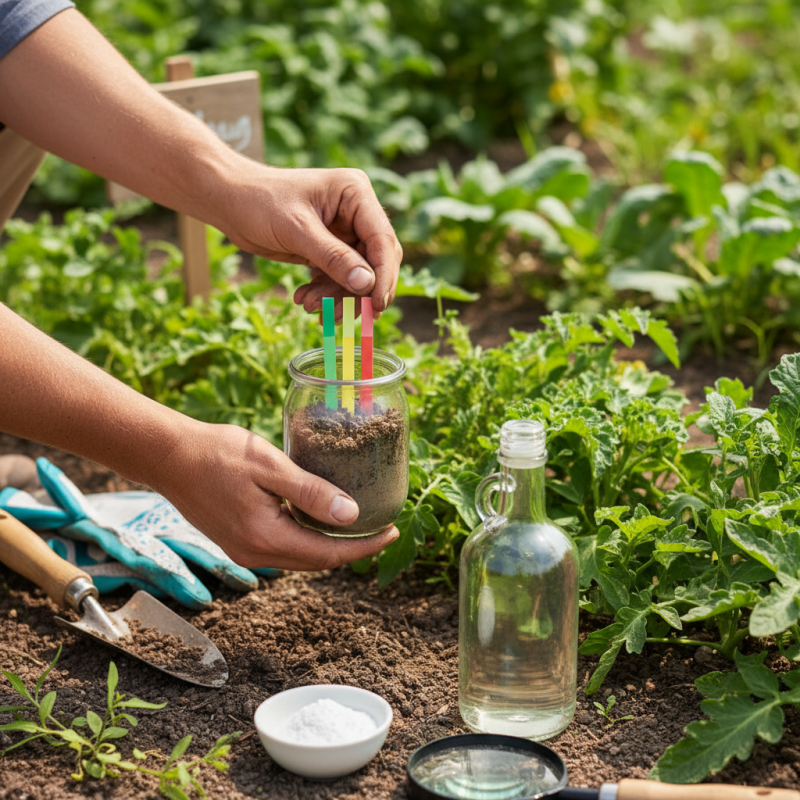
Soil pH plays a crucial role in plant growth. It influences nutrient availability and microbial activity in the soil. A pH level that is too high or too low can hinder plant health. For instance, most crops thrive in slightly acidic to neutral pH, typically around 6 to 7. If the soil is too acidic, essential nutrients like nitrogen may become less available to plants.
Testing soil pH can guide gardeners and farmers in making informed decisions. Simple tools are accessible for testing. A basic soil test kit can provide clear results. Observing plant health can also offer insights. Yellowing leaves or stunted growth may suggest pH issues. However, relying solely on visual cues can be misleading.
Understanding soil pH is not just about tests and measurements. It's about observing the environment continuously. Many factors, such as rainfall and organic matter, influence pH levels. Regular testing helps track changes over time. It ensures optimal conditions for crops and gardens. Errors can occur if tests are not repeated. Learning from these experiences is vital for successful gardening.
Testing soil pH at home can be simple and effective. With basic tools, anyone can assess soil acidity and alkalinity. This knowledge is vital for gardening and plant health. Here's what you need to get started.
You'll require a few essential items. A clean container to hold the soil sample is fundamental. A ruler for measuring is also helpful. Distilled water ensures accurate readings. Using litmus paper allows for quick testing, providing immediate results. You may also need a pH meter for more precise measurements.
Tips: Collect soil samples from different areas in your garden for a comprehensive view. Avoid using tap water, as it may alter the pH results. After testing, reflect on how you can improve your soil health. Knowing the pH can guide your plant choices, helping you grow stronger flora.
Using these tools isn't perfect. Results can vary depending on the method and the sample's condition. Regular testing keeps you informed about your soil's health. Embrace the learning curve and enjoy the process of managing your garden's needs.
Testing soil pH is crucial for optimal plant health. One easy method involves using vinegar, a common household item. To start, gather your materials: a small dish, vinegar, and a sample of soil. If the soil bubbles or fizzes upon contact with vinegar, it indicates alkalinity, suggesting a pH greater than 7.
This method is simple but not foolproof. The reaction may be subdued based on soil composition. For accuracy, consider this as a preliminary test. According to the Soil Science Society, understanding soil pH helps guide proper fertilization and plant selection.
Tips: Always use fresh soil samples. Moist soil may yield better results. Compare this method with others for a clearer picture of your soil pH. Combining vinegar testing with litmus paper testing can help confirm findings and provide more reliable data. With these tools, you can successfully make informed decisions about your garden.
Assessing soil pH can be crucial for gardening success. Using baking soda is an easy method to determine soil acidity. This simple household ingredient reacts with acidic soil, creating a visible change. Just a few tablespoons of baking soda in water will help you conduct this test.
Take a sample of your soil and mix it with water to create a slurry. Then, slowly add baking soda to this mixture. If you observe fizzing or bubbling, your soil is likely acidic. This reaction occurs due to the release of carbon dioxide gas. It's fascinating how a simple change can indicate soil health. Remember, however, that the absence of fizz doesn't guarantee neutral pH.
A baking soda test is straightforward, but accuracy is vital. For best results, compare with other methods. Soil conditions can vary, and an occasional test might reveal surprising changes. While it’s a helpful quick assessment, relying solely on it may not be enough for serious gardeners. Observing your plants and their growth can provide additional insight into soil quality.
This bar chart represents the average soil pH levels for different types of soil and their effects on plant growth. A soil pH between 6.0 and 7.0 is generally considered ideal for most plants.
Understanding soil pH is crucial for healthy plant growth. A pH level between 6.0 and 7.5 is often ideal. Testing your soil pH can reveal its acidity or alkalinity. With simple tools, you can determine this value easily. After testing, take a close look at the results. These numbers can guide your gardening decisions.
If your soil is too acidic, amendments like lime can help raise pH. Conversely, if the soil is too alkaline, adding sulfur may lower it. Each step taken should be based on specific test results. These adjustments take time. Patience is vital as you monitor changes in plant health.
Not every soil type reacts the same way to treatments. Some tests may yield inconsistent results. It's important to retest after adjustments. Reflect on the methods used. Were they accurate? Did they provide clear insights? Each reflection helps improve your understanding of soil pH. Growth is a process, and learning is part of it.
: Soil pH affects nutrient availability and microbial activity, crucial for plant growth.
Most crops thrive in a slightly acidic to neutral range, typically around 6 to 7.
You can use basic soil test kits that provide clear results. They are easy to use.
Yellowing leaves or stunted growth may indicate potential pH problems in the soil.
To raise pH, add lime; to lower it, add sulfur. Follow specific test results for guidance.
Soil types can react differently. Retesting ensures effectiveness and prevents errors.
Regular testing helps monitor changes over time and ensures optimal growth conditions.
No, relying solely on visual cues can be misleading and may require more thorough testing.
Rainfall and organic matter can significantly affect soil pH levels.
Reflect on testing methods used. Adjust and repeat the tests to improve accuracy.
Understanding how to test soil pH with simple tools is crucial for promoting optimal plant growth. The article emphasizes the importance of soil pH in determining soil health and its influence on nutrient availability for plants. It provides an insightful overview of basic tools that can be easily found at home, making the process accessible to everyone.
The article further details two straightforward methods for testing soil pH: using vinegar and baking soda. A step-by-step guide is presented, allowing readers to conduct these tests effectively. Finally, the article explains how to interpret the test results and offers actionable steps for improving soil pH, ensuring that gardeners can create the best environment for their plants to thrive.

Moxie Garden