Weeds can quickly overtake a garden and ruin its beauty. Many gardeners seek effective solutions that do not rely on harsh chemicals. Learning how to remove weeds without using chemicals is a vital skill in maintaining a healthy garden and protecting the environment.
There are multiple natural methods to tackle this problem. Hand-pulling is one way to control weeds, yet it requires patience and perseverance. Mulching is another option, as it suppresses weed growth while enhancing soil health. Additionally, boiling water can kill weeds instantly, but careful application is essential to avoid harm to desired plants.
Gardening without chemicals may not always yield immediate results. Regular maintenance and observation are crucial. This approach encourages a deeper connection with nature and promotes biodiversity. Those who choose natural methods often find themselves more attuned to their gardens’ needs. Embracing these techniques can lead to a thriving, chemical-free environment that reflects commitment and care.
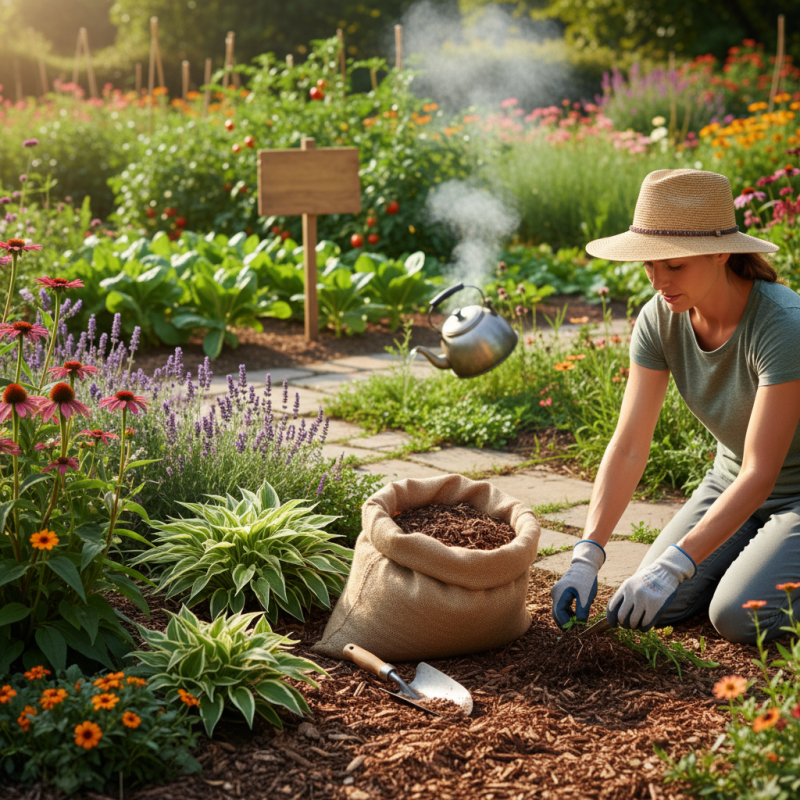
Weeds are more than just a nuisance in gardens; they can harm the growth of desired plants. Common types include dandelions, crabgrass, and bindweed. According to the USDA, weeds can reduce crop yields by 10% to 50% if left unchecked. Their aggressive growth competes for water, nutrients, and sunlight, ultimately harming plant health.
To effectively manage weeds without chemicals, hand-pulling is essential. Remove them when they are young and moist for the best results. Another option is mulching, which not only suppresses weeds but also retains moisture in the soil. A layer of organic mulch inhibits weed growth and enriches the soil as it decomposes.
Consider using boiling water as a natural weed killer. When poured directly onto the leaves, it can effectively kill the weed without harming surrounding plants. Additionally, using vinegar or salt can be effective, but these must be applied sparingly and with caution to avoid unintentional damage. Overall, understanding the types of weeds can inform better practices, leading to a healthier garden ecosystem.
Weeds can disrupt gardens and lawns. Using chemical herbicides poses risks to health and the environment. Thankfully, there are natural alternatives for effective weed removal.
Mulching is one popular technique. Applying a layer of organic material blocks sunlight, preventing weed growth. A study from the Journal of Environmental Quality shows that mulching can reduce weed presence by up to 90%. Common materials include straw, wood chips, and grass clippings. These options are environmentally friendly and enrich the soil as they decompose.
Vinegar is another effective option. Containing acetic acid, it dries out plants. A USDA study indicates that a 20% vinegar solution can effectively kill weeds. However, it may also impact surrounding vegetation. Another method is boiling water. Pouring it directly on weeds swiftly kills them. Yet, this approach requires caution, as it can harm nearby plants and soil health if not executed carefully. Always experiment in small areas to understand the effects.
Weeding by hand is a traditional method that remains effective today. Hand-pulling allows you to target specific weeds without disturbing nearby plants. It requires patience and attention to detail. The best time to remove weeds is after rainfall when the soil is moist. This makes pulling easier and more effective.
Using a hoe is another manual technique worth considering. A hoe can help remove weeds while preventing damage to the roots of your garden plants. Hold the hoe at an angle to slice through the weeds. Focus on the roots, as leaving them can lead to regrowth. Remember, this method requires practice to master the right angle and pressure.
Manual weeding can be labor-intensive. You'll likely find that some weeds are stubborn. Acknowledge your limits, and take breaks to maintain focus. Avoiding chemical methods offers peace of mind but may not yield immediate results. Reflect on your strategy regularly. Adapt your techniques based on what works best in your garden environment. This hands-on approach fosters a deeper connection with your plants and soil.
Mulching is an effective method for controlling weeds while also conserving soil moisture. By covering the soil with organic materials, you create a barrier that blocks sunlight. This deprivation stunts the growth of weeds. A thick layer of mulch can significantly reduce weed emergence.
One effective tip is to choose natural materials like wood chips or straw. These materials decompose, enriching the soil over time. It’s important to apply mulch in the spring, just after the soil warms up. A depth of 3 to 4 inches is often ideal. Remember to keep the mulch a few inches away from plant stems to prevent rot.
Another technique involves regularly checking for weeds that manage to grow through the mulch. Hand-pulling these weeds early can prevent their spread. Be consistent with this task as it requires effort but pays off. Mulching not only cuts down on weeds but also improves soil health by retaining moisture and promoting beneficial microorganisms.
This bar chart represents the effectiveness scores of various non-chemical weed control methods. Mulching stands out as the most effective technique with a score of 9, while techniques like salt and flame weeding are less effective.
Companion planting is a natural method to suppress weed growth effectively. This strategy involves planting different crops in proximity to provide mutual benefits. For example, nitrogen-fixing plants like clover can enrich the soil while also shading the ground, preventing weeds from germinating. Consider combining fast-growing plants with slower-growing crops. This creates a canopy effect, limiting sunlight for weeds.
Choosing the right companions is crucial. Marigolds can repel pests, while their foliage prevents weed seeds from taking root. On the other hand, plants like basil can grow alongside tomatoes. They not only enhance flavors but also help control weeds. Be mindful, though; not all plant combinations are beneficial. Some may compete for nutrients, which can lead to weaker plants.
Regular observation and adjustments are essential. Monitor how your crops interact and be ready to change your strategies. If one combination isn’t working, don’t hesitate to experiment with others. Gardening is a learning process, and flexibility is key. These strategies require time and thought, but they promote a healthier, chemical-free garden.
: Common weeds include dandelions, crabgrass, and bindweed. They can harm your plants.
Weeds compete for water, nutrients, and sunlight. They can reduce crop yields by 10% to 50%.
Hand-pulling is effective, especially when weeds are young and the soil is moist.
Yes, mulching suppresses weeds and retains moisture in the soil. It enhances soil as it decomposes.
Yes, pouring boiling water directly on weeds kills them without harming surrounding plants.
Apply vinegar or salt sparingly and cautiously to avoid damaging nearby plants.
Companion planting involves growing different crops together to provide mutual benefits and suppress weeds.
Some plants can repel pests and shade the ground. Ensure they do not compete for nutrients.
Regular observation helps you see what works best. Flexibility allows for better growth and weed control.
Manual weeding is labor-intensive, and stubborn weeds may persist. Reflect on your approach often.
The article "10 Effective Tips to Remove Weeds Without Chemicals" provides insight into natural and manual techniques for tackling unwanted plants in gardens. Firstly, understanding the various types of weeds and their negative impact on the garden ecosystem sets the foundation for effective management. The article highlights natural alternatives such as vinegar and salt, which can be used for non-chemical weed removal, as well as the benefits of manual methods like hand-pulling and hoeing, emphasizing their effectiveness when done regularly.
Furthermore, it introduces mulching as a vital strategy to create a barrier against weeds while promoting soil health. Lastly, planting strategies such as companion planting are discussed, showcasing how certain plants can naturally suppress weed growth. Overall, this comprehensive guide serves as a valuable resource for those seeking ways on how to remove weeds without using chemicals, ensuring a healthier and more sustainable gardening experience.

Moxie Garden