How to Clean Rusty Garden Tools Effectively?

Time:2026-07-17 Author:Liam
0%

Maintaining your garden tools is essential for effective gardening. However, rust can quickly render them ineffective. Tools that suffer from rust often require immediate attention. Knowing "how to clean rusty garden tools" properly can revive them and extend their lifespan.

Rust not only affects functionality but also safety. Gripping a rusty tool can lead to accidents. An equipped gardener understands the importance of preserving their tools. Rust removal is a necessary skill for those passionate about gardening. Each tool requires specific techniques.

Consider your cleaning methods carefully. Some methods might be effective, while others can cause damage. Start with simple solutions like vinegar or baking soda. Understanding these processes can save money and enhance your gardening experience. A few moments spent cleaning can yield significant benefits. Rusty tools can detract from the pleasure of gardening. Choose to take charge and restore your tools effectively.
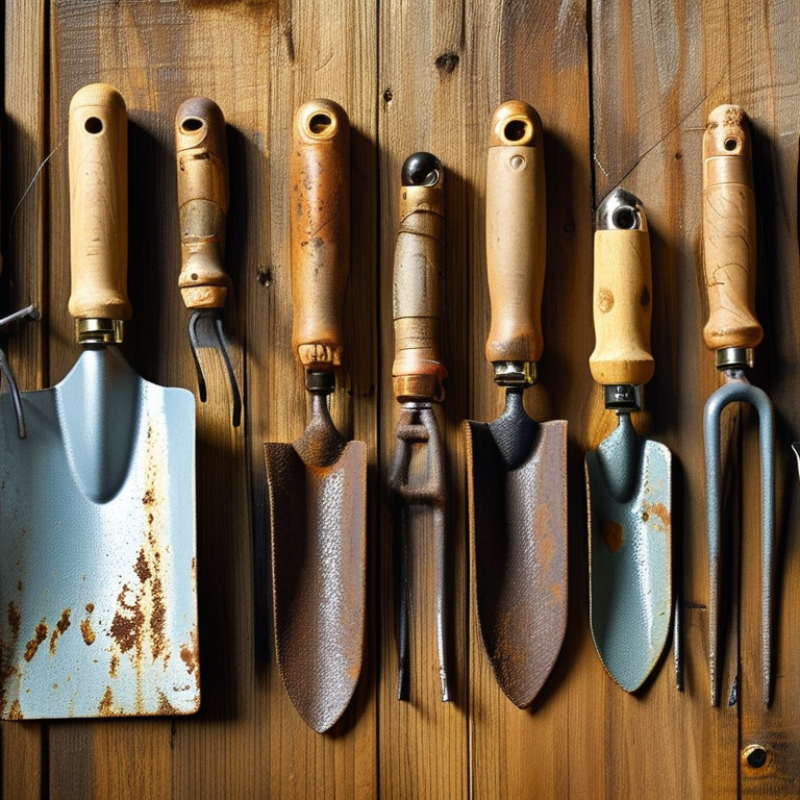
How to Clean Rusty Garden Tools Effectively?

Understanding the Causes of Rust on Garden Tools

Garden tools can become rusty due to various factors. One major reason is exposure to moisture. Water can accumulate from rain or dew, leading to oxidation. This oxidation causes the metal to rust. In addition, tools that are left outside without protection are more prone to rust. Even high humidity can contribute to the corrosion process.

Another factor is improper storage. Placing tools in damp sheds or basements can accelerate rust formation. If tools are not dried after use, they are likely to rust quickly. Additionally, soil and organic matter can also lead to rust. Residue left on tools can trap moisture. It's important to wipe down tools after use to prevent buildup.

Regular maintenance is crucial. Check tools frequently for signs of rust and take action immediately. Consider using a protective coating to shield against moisture. Remember, neglecting these small details can result in more significant damage over time. Keep your tools clean and dry for longevity.

Essential Materials Needed for Rust Removal

Rusty garden tools can be frustrating. However, the right materials make cleaning easier. To tackle rust effectively, you'll need vinegar, baking soda, and a wire brush. Vinegar acts as a natural rust remover, while baking soda provides gentle abrasion for stubborn spots.

Start by soaking the tools in vinegar for a few hours. If the rust is severe, you might need to leave them overnight. After soaking, sprinkle baking soda directly on the tools. Use a wire brush to scrub away the rust. This combination often removes rust effectively.

After cleaning, dry the tools thoroughly to prevent new rust from forming. Consider applying a thin layer of oil to protect them. Finding the right cleaning method may take a few tries. Sometimes, what works perfectly for one tool doesn’t work well for another. Experimentation is essential.

Step-by-Step Guide to Removing Rust from Tools

Rusty garden tools can be a nuisance. Removing rust is essential for keeping them in good working condition. Start by gathering your materials: white vinegar, baking soda, a wire brush, and some old cloths. Vinegar works wonders on rust. Soak the tools in vinegar for several hours. Check them periodically. You might need to adjust soaking time based on the severity of rust.

After soaking, scrub the tools with a wire brush. Pay special attention to the crevices. Some stubborn spots may require extra effort. If rust lingers, create a paste from baking soda and water. Apply it to the affected areas and let it sit for a few minutes. Scrub again until the rust disappears. Wipe everything down with a cloth to remove any leftover residue.

Inspect the tools closely. You may find some areas still need attention. Applying a protective layer of oil can help prevent future rust. Remember, maintenance is key. Regular cleaning and care can extend the life of your garden tools significantly. Embrace this process, and with practice, you'll master the art of rust removal.

Preventive Measures to Keep Garden Tools Rust-Free

Rust prevention for garden tools is crucial for longevity. According to a report from the National Gardening Association, over 50% of gardeners face issues with rusted tools. Proper care can make a difference.

Store tools in a dry location. Moisture accelerates rust formation. Adding silica gel packs to your storage area absorbs excess humidity. Additionally, wiping tools with a light layer of oil can create a protective barrier. A study by the American Society of Horticultural Science found that tools treated with oil last 40% longer than untreated ones.

Regular maintenance also plays a vital role. After each use, clean tools to remove soil and moisture. Neglecting this step can lead to unwelcome rust spots. Consider using sandpaper or a wire brush for stubborn rust. This process takes time but is essential for maintaining tool efficiency. Staying proactive keeps your tools in top shape and extends their lifespan significantly.

Proper Storage Techniques for Maintenance of Garden Tools

Proper storage is essential for maintaining garden tools. Keeping tools dry and clean helps prevent rust. A simple approach is to store tools in a sheltered area. A shed or garage works well as they keep tools protected from rain and humidity.

Tools should be hung on hooks or shelves to avoid contact with the ground. This prevents moisture absorption. Using a rust-inhibiting oil on metal parts can offer additional protection. It's easy to apply a thin layer after cleaning.

Tips for effective storage include ensuring tools are organized. Grouping similar tools together saves time. Consider labeling shelves or containers, enhancing efficiency. Regularly check for signs of rust, even in stored tools. Catching rust early means easier cleaning. Remember, maintenance is an ongoing process, not a one-time task.

FAQS

: What causes rust on garden tools?

: Rust occurs mainly due to moisture exposure and improper storage.

How does moisture lead to rust?

Water from rain or dew can cause oxidation, resulting in rust on tools.

Why is proper storage important for tools?

Storing tools in damp areas can accelerate rust formation, especially if tools are not dried.

What can I use to remove rust from tools?

Vinegar, baking soda, and a wire brush are effective materials for rust removal.

How do I clean rust off my tools?

Soak tools in vinegar, apply baking soda, then scrub with a wire brush.

How can I protect my tools after cleaning?

Dry them thoroughly and apply a thin layer of oil for added protection.

What’s the best way to store garden tools?

Keep them in a dry, sheltered area and hang them to avoid moisture contact.

Should I check my tools regularly for rust?

Yes, regular checks can prevent significant rust damage and simplify cleaning.

How can I organize my garden tools?

Group similar tools together and consider labeling for easy access and efficiency.

Is maintenance a one-time effort?

No, it’s an ongoing process that requires regular attention to prevent rust.

Conclusion

Cleaning rusty garden tools is essential for maintaining their functionality and extending their lifespan. This process begins with understanding the causes of rust, which typically arise from moisture and lack of protection. To effectively remove rust, you will need essential materials such as vinegar, baking soda, or wire brushes. The step-by-step guide outlines techniques for applying these materials to eliminate rust.

Furthermore, preventive measures are crucial for keeping garden tools rust-free, including regular cleaning and applying protective coatings. Proper storage techniques, such as storing tools in a dry place or using oil to coat metal surfaces, will also help maintain your tools in excellent condition. By following these guidelines on how to clean rusty garden tools, gardeners can ensure their equipment remains in top shape for years to come.

Liam

Liam

Liam is a dedicated marketing professional with a profound expertise in the industry, where he excels at highlighting the unique advantages of our core products. With a keen understanding of market trends and consumer needs, Liam frequently updates our company’s professional blog, providing......