Gardening can be a rewarding experience for beginners. It connects you with nature and promotes relaxation. However, starting a garden without the right tools can be frustrating. What are the essential garden tools for beginners? Knowing this can make the journey smoother.
Essential tools include a good pair of gloves, a hand trowel, and pruning shears. These items are not just accessories; they are crucial for nurturing plants. A sturdy hose or watering can is also vital for keeping your garden hydrated. A garden fork can help to aerate the soil and mix in compost, enhancing plant growth.
Many beginners might overlook tool maintenance. Neglecting this can lead to rust and damage, making tools less effective. Purchase reliable brands, even if they cost slightly more. Quality tools last longer and often perform better. Investing in essential garden tools will ensure a satisfying gardening experience, despite the challenges you may face along the way.
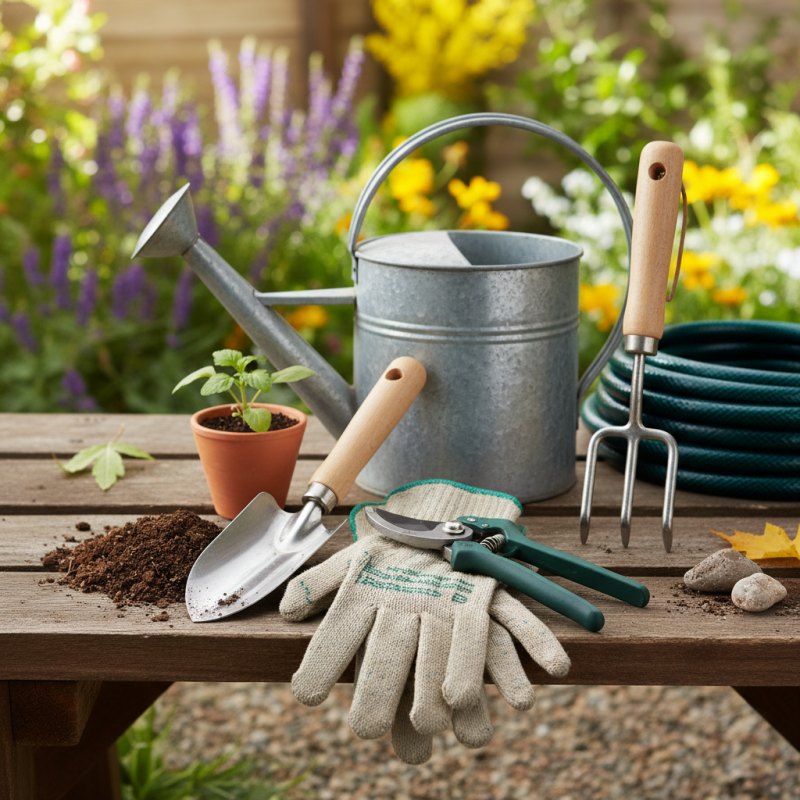
When starting a garden, having the right hand tools is crucial for beginners. Basic gardening tools enhance efficiency and precision. A survey by the National Gardening Association reveals that over 75% of new gardeners find hand tools essential for their first gardening experience. Simple tools like hand trowels, pruners, and garden forks can make a significant difference in cultivating healthy plants.
A reliable hand trowel allows for easy digging and planting. It should be lightweight but sturdy. Pruners help manage plant growth effectively, promoting better yields. According to industry experts, using appropriate pruning techniques can boost flowering plants by up to 30%. Investing in a quality garden fork is also vital, enabling easier soil aeration and weed control. Beginners can be overwhelmed by choices, but focusing on these core tools can simplify the gardening journey.
While the right tools improve the experience, not all tasks will be easy. Some gardeners struggle with soil quality and pest management, needing ongoing education. A report from the American Horticultural Society suggests that continuous learning leads to better gardening outcomes. Embracing the challenges with reliable tools will build confidence over time, ultimately leading to a flourishing garden.
| Tool Name | Purpose | Material | Price Range ($) |
|---|---|---|---|
| Hand Trowel | Digging and planting | Stainless Steel | 10 - 30 |
| Pruning Shears | Trimming and shaping | Carbon Steel | 15 - 40 |
| Garden Fork | Turning soil | Steel | 20 - 50 |
| Watering Can | Watering plants | Plastic | 5 - 25 |
| Gloves | Protecting hands | Leather | 10 - 30 |
: Basic tools like hand trowels, pruners, and garden forks are crucial for beginners.
A reliable hand trowel allows for easy digging and planting. It should be lightweight and sturdy.
Pruners help manage plant growth effectively. They can boost flowering plants by up to 30% with proper techniques.
A garden fork aids in soil aeration and weed control. This tool is vital for healthy plant growth.
Safety gear prevents injuries. Nearly 50% of gardening injuries can be avoided with proper protective equipment.
Gloves prevent cuts and skin irritations. They also improve grip on gardening tools, enhancing usability.
Beginners should invest in soil preparation tools like forks and trowels. They create a suitable environment for plants.
Gardeners might struggle with soil quality and pest management. Continuous learning is vital for overcoming these challenges.
Soil that is too sandy or too clayey can hinder growth. Testing soil pH helps in selecting suitable plants.
The excitement of gardening often leads to overlooking safety gear. However, prioritizing protection is essential for enjoyment.
In 2026, beginners venturing into gardening should equip themselves with essential garden tools that facilitate a successful gardening experience. Key hand tools like trowels, pruners, and hand rakes are fundamental for planting, trimming, and maintaining plants. Additionally, safety gear such as gloves and knee pads is critical for protecting oneself from injuries during gardening activities.
Soil preparation tools, including spades and cultivators, play a vital role in ensuring optimal soil conditions for plant growth. Efficient irrigation systems are made possible with the right watering equipment, enabling newcomers to practice effective watering techniques. Lastly, maintenance tools are essential for the ongoing care of a garden, helping to keep it healthy and vibrant over time. Overall, when considering what are the essential garden tools for beginners, the focus should be on versatility, safety, and functionality to cultivate a flourishing garden.

 Moxie Garden