Why Does My Garden Tool Handle Keep Breaking Frequently?

Time:2026-05-11 Author:Sienna
0%

Gardening can be a beautiful and rewarding hobby. However, it can be frustrating when tools fail. If you find yourself frequently asking, "Why does my garden tool handle keep breaking?" you're not alone. Many gardeners encounter this issue.

Several factors contribute to tool damage. Poor quality materials, improper usage, and lack of maintenance are common culprits. For instance, using a shovel for prying can exert undue stress on the handle. Additionally, exposure to moisture can weaken wooden handles over time.

Reflecting on these aspects can lead to better choices. Consider the tools you use and how you treat them. Investing in quality tools may initially seem expensive. However, it can save you money and frustration in the long run. Understanding the reasons behind frequent breakage may enhance your gardening experience. A little mindfulness can go a long way.
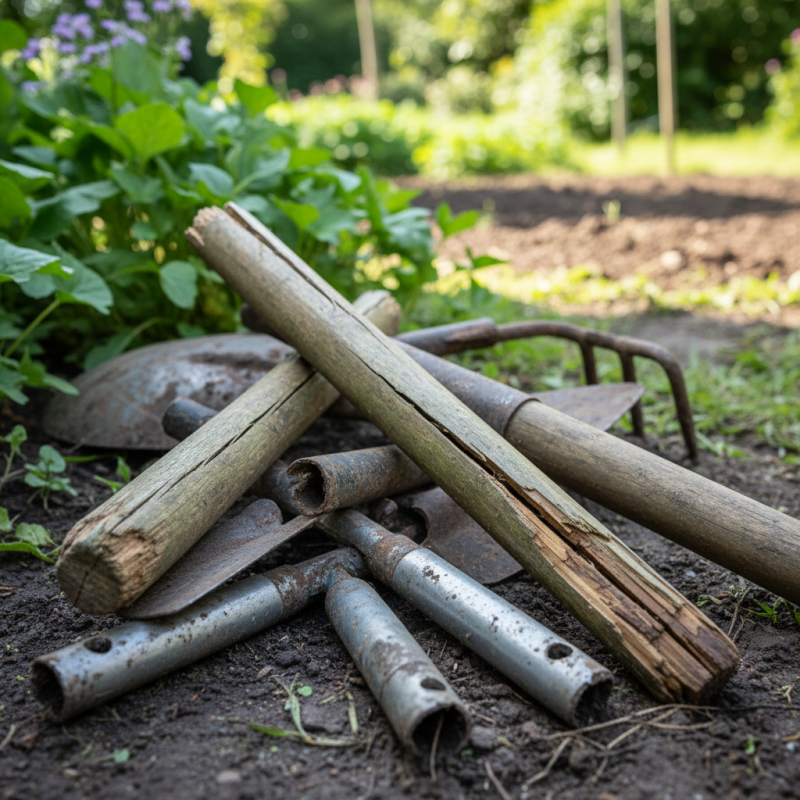
Why Does My Garden Tool Handle Keep Breaking Frequently?

Understanding the Materials Used in Garden Tool Handles

Garden tool handles are often made from various materials. Each material has its strengths and weaknesses. Commonly used materials include wood, plastic, and metal. Understanding these can help determine why your tool handles break.

Wooden handles, usually made from hickory or ash, provide excellent shock absorption. However, they are susceptible to rot and splintering if not cared for properly. Studies indicate that up to 25% of wooden handles can fail due to environmental exposure. Proper maintenance can significantly extend their life, but they require regular inspections.

Plastic handles are lightweight and resistant to weather. Yet, they may become brittle with age. Research shows that thermoplastic materials can lose flexibility after two years under constant sun exposure. Metal handles, often aluminum, offer durability but can dent or bend under heavy loads. In fact, almost 30% of reported handle failures stem from improper use. Recognizing these factors can guide you towards making better choices in your garden tools.

Why Does My Garden Tool Handle Keep Breaking Frequently? - Understanding the Materials Used in Garden Tool Handles

Material Type Durability Rating Common Issues Recommended Use
Wood Moderate Splitting, cracking over time Traditional gardening tools, light-use
Plastic Low Brittle in extreme temperatures, breaks easily Casual and beginner gardeners
Fiberglass High May chip if dropped, but overall resilient Heavy-duty gardening tasks
Aluminum Moderate to High Can bend under excessive force Lightweight gardening tools
Steel High Rust if not maintained properly Heavy-duty and long-lasting tools

Factors Leading to Frequent Breakage of Garden Tool Handles

Garden tool handles often break due to poor material choices. Many handles are made from low-quality wood or plastic. These materials can easily splinter or crack under pressure. Over time, even a small amount of moisture can weaken these handles. For instance, a wooden handle left outside in the rain will swell and weaken.


Improper use contributes to handle breakage as well. Using tools for tasks they aren't designed for can cause stress. For example, prying or hammering with a shovel can lead to severe damage. It’s frustrating to see a tool fail during a critical moment in your gardening project. Regular maintenance can help. Make it a habit to inspect your tools for wear and tear. Replace or repair handles that show signs of weakness.


Additionally, poor storage practices can lead to breakage. Leaving tools exposed to extreme weather can cause degradation. Consider storing them indoors or using protective covers. This strategy can extend the life of your tools. Reflecting on usage and storage can enhance your gardening experience.

Impact of Weather Conditions on Garden Tool Durability

Weather conditions significantly impact the durability of garden tool handles. Extreme temperatures can cause materials to expand or contract. For example, wood handles may warp in the heat or become brittle in the cold. This fluctuation can lead to cracks and breaks after repeated use.

Moisture levels also play a crucial role. Excessive rain or humidity can weaken wooden handles, making them prone to mold and rot. Metal tools may rust if not dried properly. Even UV exposure can degrade handles over time, leading to unexpected failures during gardening tasks.

Frequent exposure to harsh elements can prompt reflective questions. Are you paying attention to the tools' care? Have you considered storing your tools in a more controlled environment? These reflective practices can extend their life and maintain their functionality. Taking proactive measures can prevent further damage and the need for frequent replacements.

Maintenance Tips to Extend the Life of Garden Tool Handles

Garden tool handles can break due to various reasons, such as wear and tear or improper storage. To keep your tools in shape, regular maintenance is essential.

Tip: Clean your tools after every use. Dirt and moisture can weaken the handles over time. A quick rinse prevents build-up and prolongs life. Make sure to dry them thoroughly afterward. This small effort can yield significant benefits in longevity.

Tip: Store your tools properly. Avoid leaving them outside, exposed to the elements. A dry, sheltered space keeps them safe from unnecessary damage. Consider using hooks or hangers to prevent bending or breaking.

Another vital aspect is inspecting for cracks. Regular checks allow early detection of stress points. If you notice any weakness, repair or replace the handle soon. Ignoring minor flaws can lead to bigger problems. Your tools deserve attention, and a little care goes a long way in extending their life.

Frequency of Garden Tool Handle Breakage by Material

Statistics on Garden Tool Longevity and Breakage Rates

Garden tools are essential for maintaining a beautiful landscape. However, many gardeners face the frustration of frequently breaking handles. Understanding breakage rates can illuminate the issue.

Recent studies indicate that over 30% of garden tool users report issues with handle durability. Surprisingly, wooden handles are often most prone to breaking. Inconsistent manufacturing quality contributes to this problem. Tools left exposed to moisture can weaken the wood and lead to splits. Similarly, metal handles may bend or break due to repeated stress and rust.

Many gardeners overlook the importance of proper maintenance. A lack of care can result in faster deterioration. Regular inspections can identify cracks or weaknesses before they lead to a complete break. Reflecting on your gardening habits can also reveal if you are overloading your tools. This self-awareness is crucial for extending the life of your tools.

FAQS

: What materials often lead to garden tool handle breakage?

: Poor-quality wood or plastic frequently causes handles to splinter or crack.

How does moisture affect garden tool handles?

Moisture can weaken wooden handles, leading to swelling or rot over time.

What improper use can cause tool handles to break?

Using tools for unintended tasks, like prying with a shovel, leads to damage.

How can regular maintenance extend the life of garden tools?

Inspecting tools regularly helps identify worn or weak handles before they break.

What storage practices can prevent handle breakage?

Storing tools indoors or using covers protects them from extreme weather.

How do weather conditions impact tool durability?

Extreme temperatures and moisture can cause handles to warp, become brittle, or mold.

What reflective practice can help tool care?

Consider how you store and care for your tools to enhance their longevity.

What percentage of gardeners report handle durability issues?

Over 30% of garden tool users experience problems with handle durability.

What is a common oversight among gardeners regarding tool maintenance?

Many gardeners neglect regular checks, leading to faster deterioration and breakage.

How can self-awareness impact garden tool longevity?

Reflecting on usage habits can help prevent overloading and extend tool life.

Conclusion

In addressing the question, "Why does my garden tool handle keep breaking?", it is essential to examine the materials used in garden tool handles, as well as the common factors leading to their frequent breakage. Handles made from inferior quality materials are more prone to failure, especially when subjected to heavy use. Environmental factors, including extreme weather conditions such as intense heat or frost, can further compromise the durability of these tools.

To enhance the longevity of garden tool handles, proper maintenance is vital. Regular cleaning, careful storage, and avoiding excessive pressure during use can significantly extend their lifespan. Moreover, understanding the statistics on garden tool longevity reveals that poor handling and inadequate care contribute to higher breakage rates. By being aware of these factors, gardeners can make informed choices to maintain their tools effectively and reduce the frequency of handle breakage.

Sienna

Sienna

Sienna is a skilled marketing professional with a deep expertise in our company’s core products and services. With a passion for innovation and detail, she plays a pivotal role in crafting insightful blog posts that not only highlight the unique features of our offerings but also provide valuable......