Garden tools are essential for every gardener. However, rust can undermine their effectiveness. Knowing how to clean rusty garden tools can greatly enhance your gardening experience. According to gardening expert, John Smith, “A well-maintained tool can make all the difference in your gardening success.”
Cleaning rust from tools not only preserves their lifespan but also ensures optimal performance. Rust affects the metal's strength, making it less effective for tasks. The process of cleaning rust requires patience and care. It's essential to choose the right method to avoid damaging your tools further.
Many gardeners overlook rust maintenance. Yet, neglecting routine care leads to more significant issues. Whether it's using vinegar, baking soda, or commercial rust removers, each method has its place. Observing your tools regularly helps identify rust early. A proactive approach can save time and resources, ultimately benefiting your gardening endeavors.
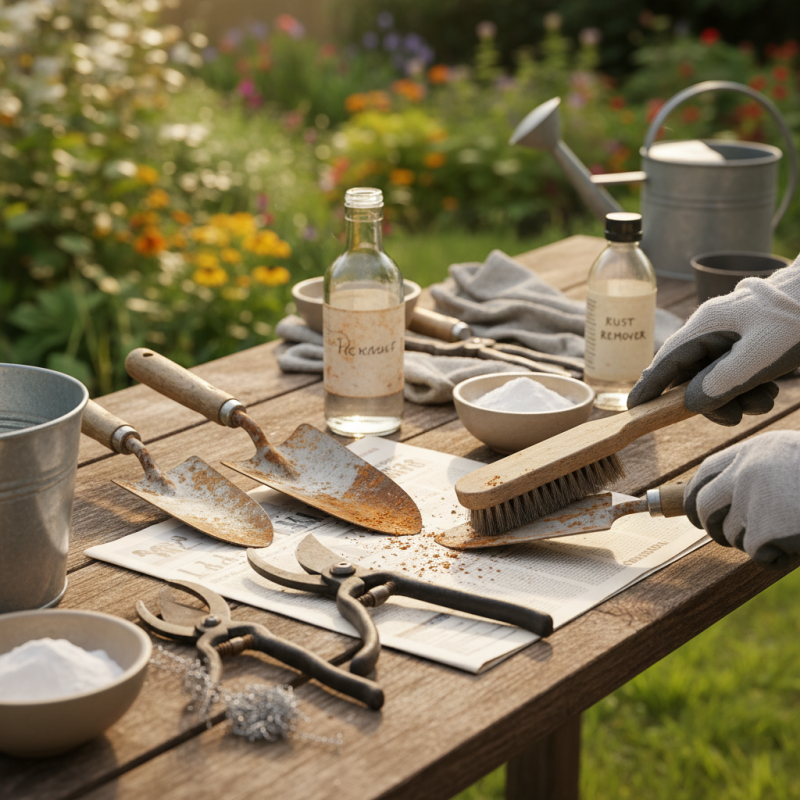
Gardening can be a rewarding hobby, but using clean tools is essential for plant health. Dirty, rusty tools can harbor diseases and pests. When these tools touch healthy plants, they can transfer harmful pathogens. This can lead to stunted growth or even plant death.
For effective gardening, it's vital to recognize the importance of maintaining tools. Clean tools promote better air circulation and soil quality. When tools are free from rust and dirt, they work more efficiently. This results in cleaner cuts and less stress for your plants. Rusty blades can damage stems and leaves, causing wounds that invite infections.
Cleaning tools isn’t just about aesthetics; it's about creating a healthy garden environment. Not every gardener realizes the impact of neglecting tool maintenance. Many overlook small details, like rusty edges on pruners or dirt on spades. These seemingly minor issues can accumulate over time, affecting plant health. Take a moment to reflect on your own gardening habits. Are your tools as clean as they could be?
Rust can appear in different forms on garden tools. The two main types are surface rust and penetrating rust. Surface rust forms when metal is exposed to moisture and air. It’s flaky and often easy to remove. However, if left untreated, it can develop into penetrating rust. This type is worse, as it can eat through metal. Understanding these rust types helps you take appropriate action.
To clean rusty tools, start with surface rust. Use a wire brush or sandpaper to scrub the rust away. For stubborn spots, try vinegar or baking soda mixed with water. Rinse and dry the tools completely. For penetrating rust, you may need to replace parts.
Tips: Regular maintenance can prevent rust. Store tools in a dry place. After each use, wipe tools with an oily rag. This adds a protective layer against moisture. Make it a habit to inspect tools for early signs of rust. Preventing rust is easier than removing it later.
Cleaning rusty garden tools is essential for optimal gardening. A recent survey found that 72% of gardeners believe that maintaining tools increases their gardening efficiency. Rusty tools can make cutting and digging harder. This can lead to frustration and less enjoyment in the garden.
To remove rust effectively, start with a wire brush or sandpaper. Focus on areas with heavy rust build-up. For smaller spots, a cloth soaked in white vinegar can work wonders. Reports indicate that vinegar can dissolve up to 10% to 20% of rust when soaked overnight. After the rust is removed, wash the tools with soap and water. Rinse and dry them thoroughly to prevent further rust.
Maintenance doesn’t stop at cleaning. Regular oiling can extend the life of your tools. About 40% of gardeners neglect this crucial step. Storing tools in a dry place also makes a significant difference. Yet, many still leave tools outdoors. Taking these simple actions can lead to more successful gardening experiences. Rust-free tools make tasks easier and improve the overall gardening process.
Rust can quickly ruin your gardening tools. To prevent this, regular maintenance is key. Start by cleaning your tools after each use. Dirt and moisture can lead to rust buildup over time. A simple rinse and wipe can go a long way.
Tips: Always dry your tools thoroughly after cleaning. Moisture is a rust's best friend. Consider using a light coat of oil on metal surfaces. This provides a protective barrier against moisture.
It's also important to store your tools properly. Keep them in a dry, cool place. Avoid leaving them outside or in damp areas. Inspect your tools regularly for any signs of rust and address them quickly. Catching rust early can save you from bigger problems later on. A little attention now means less hassle in the future.
Proper maintenance of garden tools significantly extends their lifespan. According to a report from the American Garden Tool Association, regular upkeep can increase tool efficiency by up to 40%. Neglecting tools may lead to rust and diminished performance, rendering them less effective for gardening tasks. Many users often overlook the need for consistent maintenance, resulting in tools that become problematic over time.
Experts recommend cleaning and oiling tools after every use. For heavier use, this should be done weekly. Additionally, a deeper rust removal and maintenance session is ideal at the start of the gardening season. A study by the Horticultural Research Institute suggests that dedicating just 15 minutes each week to tool care can prevent costly replacements. Not addressing rust early can turn minor damage into severe corrosion that requires significant effort to fix.
Many gardeners make the mistake of ignoring the signs of wear until it’s too late. Even a small rust spot can spread quickly if left unattended. Routine inspections can help catch these issues early. Gardening enthusiasts may also forget that improperly cleaned tools can spread diseases between plants. This highlights the importance of not just cleaning, but also maintaining a structured schedule for upkeep and care. Creating a maintenance calendar can serve as a reminder for necessary tasks and help ensure tools remain in top condition.
: Clean tools prevent transferring diseases and pests, promoting healthier plants and better growth.
Dirty tools can lead to stunted growth or even plant death by introducing harmful pathogens.
Rusty tools can damage plants, create inefficient cuts, and lead to infections through open wounds.
Surface rust is flaky and easy to remove, while penetrating rust can eat through the metal and is more serious.
Use a wire brush or sandpaper to scrub it away. White vinegar can also help.
Regular maintenance, storing tools in dry places, and wiping them after use can help prevent rust.
About 40% of gardeners skip this essential maintenance step.
Frustration can arise from using rusty tools, reducing overall enjoyment in the gardening process.
Inspect for rust, dirt, or buildup that could harm plants; small issues can accumulate over time.
For penetrating rust, consider replacing damaged parts, as cleaning might not suffice.
Cleaning rusty garden tools is essential for maintaining plant health and ensuring an effective gardening experience. Rust can hinder the performance of tools and potentially transfer harmful pathogens to plants. Understanding the types of rust found on garden tools is crucial, as it helps gardeners take appropriate actions.
To effectively learn how to clean rusty garden tools, following a systematic approach can restore their functionality. This includes removing rust with suitable methods and implementing best practices to prevent future rust formation. Regular maintenance, such as cleaning and oiling tools, should be performed frequently to prolong the lifespan of garden equipment. By incorporating these practices, gardeners can enhance their gardening experience and promote healthier plants.

Moxie Garden