When it comes to gardening, the right tools are essential. Telescopic garden tools offer versatility and ease of use. However, like any equipment, they require proper care. John Green, a senior horticulturalist, emphasizes, "A little maintenance can extend the life of your gardening tools significantly." Understanding how to maintain telescopic garden tools is key for any gardener.
Regular cleaning is important. Soil and plant residue can damage tools over time. After each use, wipe down the surfaces and check for any stuck debris. Rust can be an issue too, especially if your tools are made of metal. A light application of oil can help protect against it.
Storage is another area to consider. Avoid leaving tools outside where they can be exposed to the elements. Ideally, store them in a dry space. Reflecting on usage patterns helps too. Are you using all your tools effectively? Knowing which tools perform best in different situations can save wear and tear. By following these tips, you'll enhance the longevity of your telescopic garden tools.
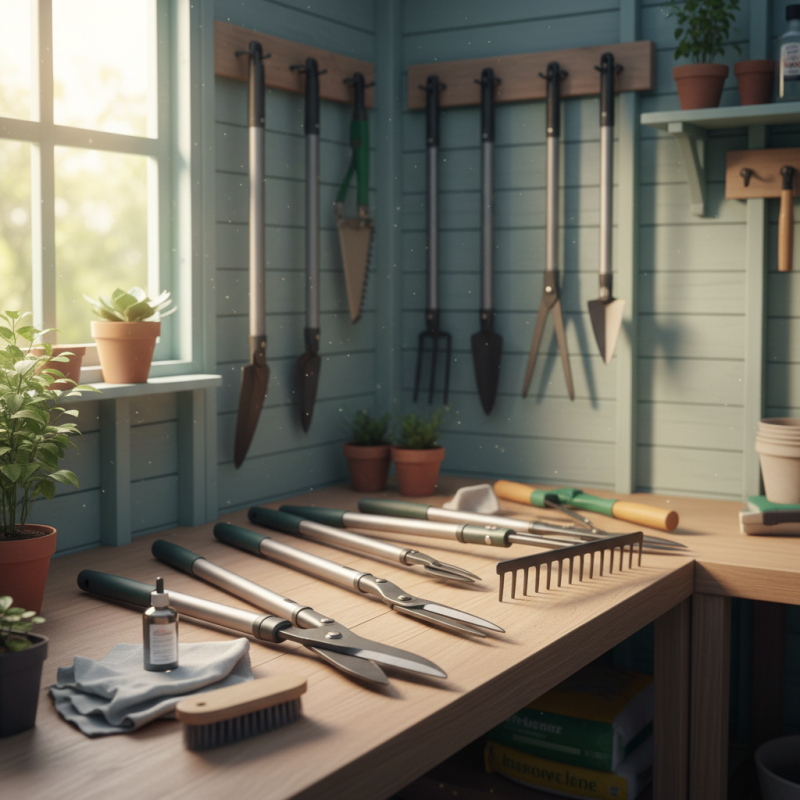
Maintaining telescopic garden tools is crucial for ensuring their longevity. One significant aspect is regular cleaning to prevent rust and corrosion. Industry reports reveal that approximately 20% of tools fail due to neglect in maintenance. This simple step can extend the life of your equipment significantly.
To effectively clean your tools, start with a mixture of warm soapy water. Use a soft brush to scrub away dirt. Rinse thoroughly and dry immediately. Moisture is a primary contributor to rust. Consider applying a light coat of oil after cleaning. This can create a protective barrier against moisture.
Don’t overlook the importance of storage. Tools stored outside are more susceptible to corrosion. If possible, keep them in a dry place. A study by the American Society of Horticultural Science indicates that proper storage reduces rust by nearly 40%. Regular maintenance is essential. However, many gardeners forget about these practices, leading to premature wear. Taking time to care for your tools can yield significant benefits.
| Tip Number | Maintenance Tip | Description |
|---|---|---|
| 1 | Regular Cleaning | Remove dirt and debris after each use to prevent buildup. |
| 2 | Lubrication | Apply oil to moving parts to keep them functioning smoothly. |
| 3 | Rust Prevention | Store tools in a dry place to avoid moisture exposure. |
| 4 | Sharp Edges | Regularly sharpen blades for optimal cutting performance. |
| 5 | Check for Damage | Inspect tools regularly for wear and tear before using them. |
| 6 | Proper Storage | Use racks or hangers to store tools safely and prevent damage. |
| 7 | Avoid Overloading | Do not use tools beyond their weight capacity to prevent breakage. |
| 8 | Use Manufacturer Tools | Utilize recommended tools and accessories to maintain efficiency. |
| 9 | Seasonal Maintenance | Perform a thorough assessment and maintenance at the start of each season. |
| 10 | User Manual Review | Regularly check the user manual for any specific maintenance guidelines. |
: Regular cleaning prevents rust and corrosion, extending the life of your tools significantly.
Use warm soapy water and a soft brush, then rinse and dry immediately.
A light coat of oil creates a barrier against moisture.
Store them in a dry place to reduce the risk of corrosion.
Regular lubrication is essential, especially for hinges and locking mechanisms, to enhance performance.
Inspect for early signs of wear, such as stiffness in movement or dull blades.
Use a sharpening stone or file at a 20-degree angle, applying even pressure.
Neglecting maintenance can lead to premature wear, costing more time and money later.
Test sharpness by cutting a piece of paper or a twig.
Yes, cleaning helps prevent corrosion from dirt and sap buildup.
Maintaining telescopic garden tools is essential for ensuring their longevity and optimal performance. To effectively care for these tools, it's important to implement regular cleaning practices that help prevent rust and corrosion, particularly after use in wet conditions. Additionally, lubricating moving parts enhances their efficiency and prolongs their lifespan. Proper storage techniques, such as keeping tools in a dry, sheltered area, can significantly reduce the risk of damage.
Another critical aspect of maintenance is identifying and replacing worn parts, which helps maintain efficiency during gardening tasks. Finally, following best practices for sharpening blades guarantees optimal cutting performance, allowing for cleaner and more precise gardening work. By understanding how to maintain telescopic garden tools, gardeners can ensure their tools remain reliable and effective for years to come.

 Moxie Garden