In gardening, maintenance is vital for longevity. Properly oiling your tools can greatly enhance their performance. Renowned gardening expert, John Smith, emphasizes, “Regular maintenance is as pivotal as good soil.” Understanding how to oil garden tool moving parts ensures they operate smoothly and last longer.
Garden tools can suffer wear and tear over time. Rust, friction, and dirt can hinder their effectiveness. Applying oil correctly not only protects these tools but also enhances their functionality. Pay attention to the hinges, blades, and any moving parts. Use a suitable lubricant for each type of material.
Practicing this simple task can save you from costly replacements. Many gardeners overlook this essential care step. Reflect on your own habits—do you often neglect maintenance? Remember, a well-oiled tool yields a more fruitful gardening experience.
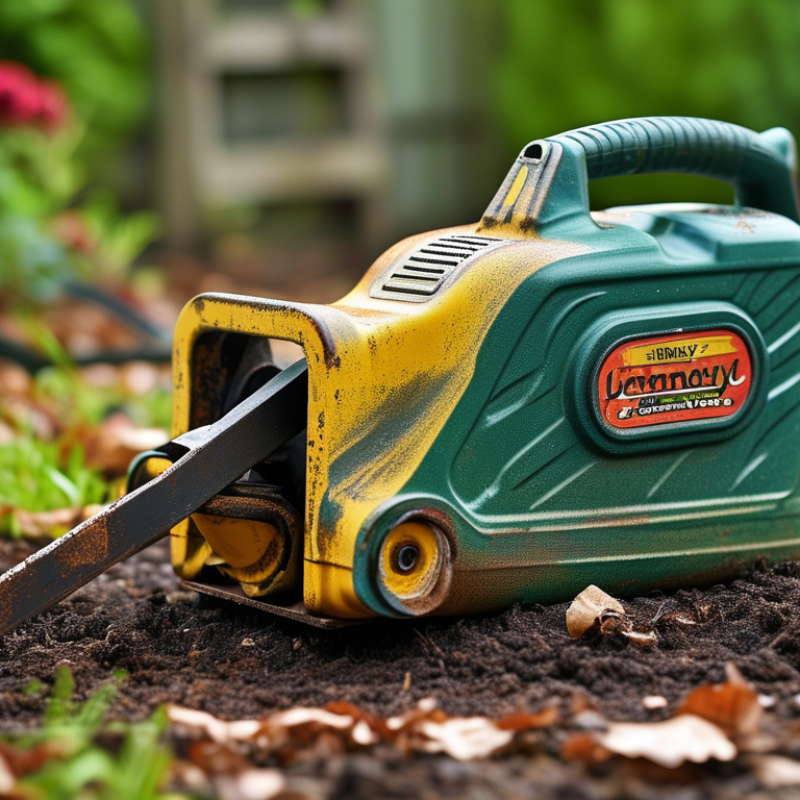
Oiling garden tools is not an option—it's essential. When you take care of your tools, you extend their life and improve performance. Most people forget this crucial step, leading to rust and wear. Proper oiling creates a protective barrier. This barrier keeps moisture out and prevents damage.
Understanding the importance of oiling involves knowing how it affects function. Well-oiled moving parts work smoothly and require less effort. This reduction in friction saves energy and time while gardening. Neglecting this maintenance can result in annoying squeaks and breakdowns.
Many gardeners hesitate to dedicate time for maintenance. They might think it’s too tedious or unnecessary. However, a few minutes spent on this task pays off. Regular oiling becomes part of the routine. It enhances your productivity and makes gardening enjoyable. Reflecting on your habits can reveal spaces for improvement. Taking care of your tools is truly taking care of your garden.
Identifying the moving parts in common garden tools is crucial for effective maintenance. For instance, a pair of hand pruners has several key moving components. The pivot point is essential for smooth operation. The blade and handle need proper lubrication to ensure efficiency. Manual contact with these parts can lead to wear and tear over time.
Garden shears also feature moving parts that require attention. The blades must glide past each other effortlessly. If they develop friction, cutting becomes difficult. Regularly oiling the pivot and surrounding areas can make a significant difference. Neglecting these details can result in rust and performance issues.
Rakes, shovels, and hoes may not have many moving parts, but maintenance is still essential. Ensure that any joint fittings are clean and functioning. Experience shows that even fixed tools benefit from periodic oiling. Finding the right balance between maintenance and usage can often be a challenge. Users sometimes overlook the importance of proper care for stationary tools. Addressing these minor imperfections can prolong their lifespan and enhance overall performance.
When selecting the right type of oil for your garden tools, consider what you need for effective maintenance. Different tools have different requirements. For instance, lightweight oils are suitable for small hand tools. They provide enough lubrication without being overly heavy. This allows for smooth operation and increased lifespan.
On the other hand, heavier oils work well for larger, more complex tools. These thicker oils can penetrate deeper into parts, ensuring lasting protection. However, applying too much can lead to gunk buildup. Over-oiling can be just as bad as not oiling at all. Finding the right balance can be tricky.
It’s important to choose oils that are both effective and safe for your garden. Mineral and vegetable-based oils are often recommended. They are biodegradable and won't harm plants or soil. Reflect on the tools you own and their specific needs. Experimentation might be necessary to find what works best. Keep a log of your observations for future reference.
To keep garden tools in optimal condition, regular oiling of moving parts is essential. Start by gathering the necessary supplies: lightweight oil, a clean cloth, and a small brush. Before applying oil, ensure the tool is clean. Removing dirt and debris will help the oil adhere better.
Apply a few drops of oil to the pivot points of tools like shears and pruners. Check for rust or wear on the moving parts. If there is rust, consider using sandpaper to smooth the surface before oiling. Oiling should be done sparingly; too much oil can attract dust and grime, creating more problems.
After oiling, wipe off any excess with a clean cloth. This method ensures proper lubrication without the mess. Remember to store tools in a dry place to prevent moisture buildup. Oiling is an easy process, but many overlook it. Reflect on your routine; consistent maintenance can extend the life of your garden tools.
Maintaining your garden tools after oiling is essential for longevity and efficiency. Once you've applied oil to the moving parts, let the tools sit for a short time. This allows the oil to penetrate deeper into the joints and hinges. A good rule of thumb is to wait at least 15 minutes before wiping off any excess oil. This step often gets overlooked, but it’s crucial for optimal function.
Regular inspection is also vital. Check for any rust, dirt, or debris that could interfere with the smooth operation of your tools. A clean tool is more effective and lasts longer. Be sure to wipe down your tools after each use. Dust and moisture can accumulate quickly, leading to more serious problems like corrosion. Remember, a little care goes a long way, but still, these practices are often neglected by casual gardeners.
Lastly, storing your tools properly can’t be ignored. Consider a dry, well-ventilated area. Hanging tools can prevent damage to their edges and surfaces. It’s ironic how often we rush through these simple tasks, thinking there’s no time. A few extra minutes spent on maintenance can save hours of future repairs. Take time to reflect on your gardening habits and make adjustments as necessary.
| Garden Tool Type | Recommended Oil Type | Oiling Frequency | Maintenance Tips |
|---|---|---|---|
| Lawn Mower | SAE 30 Motor Oil | Every 5-10 uses | Clean after use, check for rust. |
| Pruning Shears | Vegetable Oil | Every 3 uses | Wipe blades clean, avoid excess oil. |
| Garden Rake | WD-40 or Light Oil | Seasonally | Store in a dry place, check for loose nails. |
| Hedge Trimmer | Bar and Chain Oil | After every use | Ensure blades are clean, lubricate before storage. |
: Understanding moving parts ensures effective maintenance and smooth operation of tools.
It's best to lubricate them regularly to prevent wear and maintain efficiency.
Increased friction makes cutting difficult, so regular oiling is important.
Yes, even stationary tools benefit from periodic cleaning and oiling.
Lightweight oils work well, providing lubrication without being too heavy.
Yes, too much oil can lead to gunk buildup, affecting tool performance.
Let them sit for at least 15 minutes to allow the oil to penetrate.
Regular inspection and cleaning help prevent rust and extend tool lifespan.
Store them in a dry, well-ventilated area to protect their edges.
Many casual gardeners rush through tasks, thinking there's no time for care.
Proper maintenance of garden tools is essential for their longevity and optimal performance, and one crucial aspect is understanding how to oil garden tool moving parts. Oiling helps reduce friction and prevents rust, ensuring that your tools operate smoothly. Begin by identifying the moving parts of your tools, such as hinges, blades, and joints, which require lubrication to function effectively.
To oil these parts, select the right type of oil, typically a lightweight machine oil or vegetable-based oil, depending on the tool materials. Follow a step-by-step guide to apply the oil, ensuring even coverage without over-lubricating. After oiled, implement tips for ongoing maintenance, such as regular cleaning and storage in a dry place, to keep your garden tools in peak condition. With these practices, users can enhance the lifespan and efficiency of their gardening equipment.

Moxie Garden