How to Prune Roses for Maximum Blooms in 2026?

Time:2026-10-05 Author:Liam
0%

Roses can produce waves of flowers, but careless cutting often removes next season’s potential. How to prune roses for maximum bloom begins with timing, plant type, and clean technique. A hybrid tea rose needs different treatment from a climbing rose or an old garden variety. The wrong cut can leave bare stems, weak growth, or fewer flowers.

Professional guidance supports a measured approach. The Royal Horticultural Society recommends removing dead, damaged, and crossing wood to improve airflow and plant structure. Its rose trials also evaluate flowering performance and disease resistance across multiple seasons. The American Rose Society similarly emphasizes outward-facing buds, sharp tools, and gradual renovation. These details matter. A crowded center can trap moisture around leaves, especially after summer rain.

Small cuts matter.

Industry gardening reports show why this skill remains relevant. The National Gardening Association’s National Gardening Survey continues to document strong household participation in gardening. The Garden Media Group’s Garden Trends Report also identifies practical, confidence-building garden care as a continuing consumer interest. Yet reports cannot replace observation. Your local frost date, soil drainage, and rose variety may change the ideal schedule. I have found that even healthy bushes sometimes respond poorly to aggressive pruning. That is an uncomfortable lesson. More cutting does not always mean more flowers.

This guide focuses on repeat-blooming roses in 2026, while noting regional differences. You will learn how to identify productive canes, make angled cuts above viable buds, and remove growth that wastes the plant’s energy. Expect a few imperfect results. Pruning is precise, but never completely predictable.
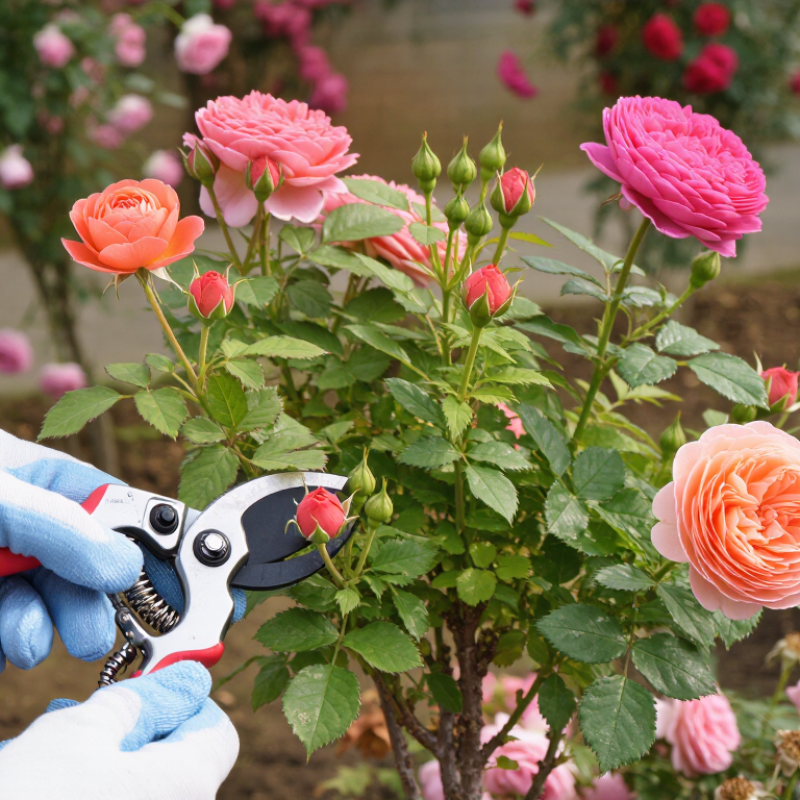
How to Prune Roses for Maximum Blooms in 2026?

Confirm Rose Type and Pruning Timing with RHS Seasonal Guidance

How to Prune Roses for Maximum Blooms in 2026?

Confirm the rose type before picking up your secateurs. RHS seasonal guidance recommends checking local conditions, because pruning dates shift with frost, rainfall, and spring growth. Hybrid teas and floribundas usually respond well to firm pruning in late winter or early spring. Wait until severe frost has passed. Buds should be swelling, not fully open.

Prune climbing roses differently. Remove weak, dead, or crossing stems first, then shorten flowering side shoots after the main flush. Rambling roses often flower on older wood, so prune them after flowering rather than in early spring.

Shrub roses usually need lighter shaping. Do not remove healthy stems simply for neatness.

Use clean, sharp tools and cut about five millimetres above an outward-facing bud. Angle the cut slightly, allowing rainwater to run away from the bud.

I have pruned too early before, and a late frost damaged several fresh shoots. That mistake changed my timing. Watch the weather, not just the calendar.

Keep the centre open, like a small bowl, so air reaches the leaves.

Remove blackened wood back to pale, healthy tissue. If two stems rub together, keep the stronger one.

Check RHS seasonal advice again before pruning, especially after an unusually mild winter.

Sanitize Blades with 70% Alcohol Before Each Rose-Pruning Session

How to Prune Roses for Maximum Blooms in 2026?

Sanitize Blades with 70% Alcohol Before Each Rose-Pruning Session

Before pruning, inspect your shears for sap, rust, or trapped plant tissue. Wipe the blades clean, then apply 70% alcohol over every cutting surface. Let the blades remain visibly wet for several seconds. Allow them to air-dry completely before touching the rose. Clean tools reduce the chance of moving fungal and bacterial problems between stems.

I keep a small container of alcohol and a clean cloth near the rose bed. After cutting a suspicious stem, I disinfect the blades again. This habit feels slow, but it protects healthy growth. Never pour alcohol onto the soil or rose canes. Use it only on suitable metal surfaces, with good ventilation and away from flames.

Once the shears are ready, remove dead wood first. Cut just above an outward-facing bud, using a slight angle that sheds water. Keep the cut smooth. Jagged wounds heal poorly. I sometimes prune too cautiously and leave weak, crossing branches behind. That mistake taught me to step back and check the plant’s shape before making more cuts. Strong sanitation matters, but careful pruning creates the open structure that supports abundant blooms.

Remove Dead Wood, Suckers, and Crossing Canes at 45-Degree Angles

How to Prune Roses for Maximum Blooms in 2026?

Remove Dead Wood, Suckers, and Crossing Canes at 45-Degree Angles

Prune roses in late winter or early spring, when buds begin to swell. Wear sturdy gloves and use clean, sharp shears. Start with dead wood. Cut each cane back until the center looks pale and healthy, not brown or gray. Make every cut 45 degrees, about 6 millimeters above an outward-facing bud. This angle helps water drain away and guides new growth outward.

Remove thin, weak stems and suckers growing below the graft union. Suckers often have different leaves and grow aggressively from the rootstock. Pull them from their origin when possible. Do not simply trim them at soil level. That can encourage more shoots. Next, remove crossing canes that rub together. Friction creates wounds where disease can enter. Keep the strongest, open-growing canes, so sunlight reaches the center of the plant.

Tips: Step back often and inspect the whole bush. A rose can look bare after pruning, but this is normal. I sometimes remove too much when working quickly, so I pause after every few cuts. Never force a doubtful cut. If a cane looks alive but damaged, trim gradually and check the tissue. Disinfect shears between diseased plants. Clean cuts heal better, though pruning alone cannot solve every rose problem.

Shape Hybrid Teas with 3–5 Outward-Facing Canes, per ARS Practice

How to Prune Roses for Maximum Blooms in 2026?

Hybrid teas perform best when pruning creates an open, balanced framework. The American Rose Society (ARS) recommends retaining three to five strong, outward-facing canes. These canes should be spaced around the crown, not crowded into one direction. Choose stems about pencil-thick, green, and free from dark lesions. Remove weak growth at its base.

Make each cut 5 millimeters above an outward-facing bud. Angle the cut slightly, so rainwater moves away from the bud. ARS pruning guidance also supports removing dead, damaged, and crossing wood first. A 2023 University extension report on rose maintenance notes that sanitation and airflow can reduce disease pressure in dense plantings. Clean tools matter more than many gardeners expect.

Tips: Wear gloves. Sterilize blades between plants. Keep three to five canes, but do not force the number if growth is poor. That is my cautious exception. A vigorous plant may carry five canes, while a young or stressed rose may need only three. Remove inward-growing shoots, suckers, and thin twiggy stems under pencil width. Leave a short, clean crown. I sometimes prune too conservatively, then regret the weak interior growth later. Watch the buds, not the calendar, because local winter conditions can shift the ideal timing.

Deadhead Repeat Bloomers and Feed Roses After Pruning for 2026 Flowers

Repeat-blooming roses can produce more flowers in 2026 when spent blooms are removed regularly. Deadhead after petals fade, rather than waiting for hips to develop. I cut the stem just above a healthy five-leaflet set, choosing an outward-facing bud. This encourages fresh shoots to grow away from the plant’s center. Keep tools clean and sharp. Clean cuts heal faster.

Pruning temporarily stresses the rose, so feeding should follow when new growth begins. I water deeply first, then apply a balanced rose feed around the drip line. I keep fertilizer away from the main stem. Lightly work it into the surface and water again. A soil test gives better guidance than guessing, especially in sandy or heavy clay soil. Overfeeding can produce soft leaves and fewer flowers.

I used to feed immediately after every cut, but some plants responded poorly. Now I wait until the rose shows active growth and check the soil moisture. Mulch helps hold moisture, but it should not touch the crown. Watch for yellow leaves, weak stems, or black spotting after pruning. Those signs may indicate stress, poor drainage, or disease rather than hunger. Record bloom dates and feeding results through the season. Small adjustments often matter more than aggressive pruning.

FAQS

When should roses be pruned for strong flowering in 2026?

Prune most hybrid tea and floribunda roses in late winter or early spring. Wait until severe frost has passed. Watch the weather. Begin when buds swell, but before they open fully.

How does rose type change the pruning method?

Climbing roses need dead, weak, and crossing stems removed first. Shorten flowering side shoots after the main flush. Rambling roses often flower on older wood, so prune them after flowering. Shrub roses usually need light shaping, not severe cutting.

How should a rose cane be cut?

Use clean, sharp shears and cut about six millimetres above an outward-facing bud. Make a slight 45-degree angle, allowing rainwater to drain away. The outward bud helps new growth move away from the centre.

What should be removed before shaping the rose?

Remove dead wood, thin stems, weak growth, and crossing canes. Cut dead sections back until the centre looks pale and healthy. If two stems rub together, keep the stronger one. Pause often.

How can gardeners identify and remove suckers?

Suckers grow below the graft union and may have different-looking leaves. Pull them from their origin when possible. Cutting them at soil level can encourage more shoots. That part is easy to miss.

How much healthy wood should be removed?

Keep strong, open-growing canes that let light reach the leaves. Do not remove healthy stems only to make the bush look tidy. Aim for an open centre, like a small bowl. I sometimes cut too much when rushing.

When should spent flowers be removed?

Deadhead repeat-blooming roses after petals fade, before hips develop. Cut above a healthy five-leaflet set and choose an outward-facing bud. This can encourage fresh flowering shoots. Not every rose responds identically.

When should roses be fed after pruning?

Water deeply and wait until active new growth appears. Then apply balanced feed around the drip line, away from the main stem. A soil test is safer than guessing. Overfeeding may produce soft leaves and fewer flowers. Keep mulch away from the crown.

Conclusion

How to prune roses for maximum bloom begins with identifying the rose type and choosing the correct seasonal timing. Different varieties respond best to pruning at different stages, so prune during the plant’s recommended dormant or early-growth period. Before every session, clean and sanitize your tools with 70% alcohol to reduce the risk of spreading disease. Begin by removing dead, damaged, or weak wood, along with suckers growing from below the graft or root area.

Make clean cuts at approximately 45-degree angles, directing them away from buds so water does not collect on the cut surface. For hybrid tea roses, retain three to five strong canes that point outward, creating an open shape with good airflow and light penetration. After pruning, deadhead repeat-blooming roses by removing spent flowers, then provide suitable feeding and consistent watering. These steps encourage healthy new growth, improve flower production, and help roses deliver abundant blooms throughout the 2026 growing season.

Liam

Liam

Liam is a dedicated marketing professional with a profound expertise in the industry, where he excels at highlighting the unique advantages of our core products. With a keen understanding of market trends and consumer needs, Liam frequently updates our company’s professional blog, providing......