Pruning shears are essential tools for gardeners. They help maintain healthy plants by trimming dead or overgrown branches. However, many users face a common question: "Why is my pruning shear not cutting?" This can be frustrating. A dull blade, rust, or improper technique could be the reasons.
When pruning shears fail to perform, it disrupts the gardening process. You might notice ragged cuts or even damage to plants. Ensuring your tools work well is vital. Regular maintenance can prevent these issues. Sometimes, simply cleaning the blades can restore functionality. Other times, it may require sharpening them.
Understanding your tools is crucial. Examine your shears closely. Look for signs of wear or misalignment. Observing how you use them is equally important. It may be time to reconsider your technique. Reflect on these factors. They play a significant role in effective pruning.
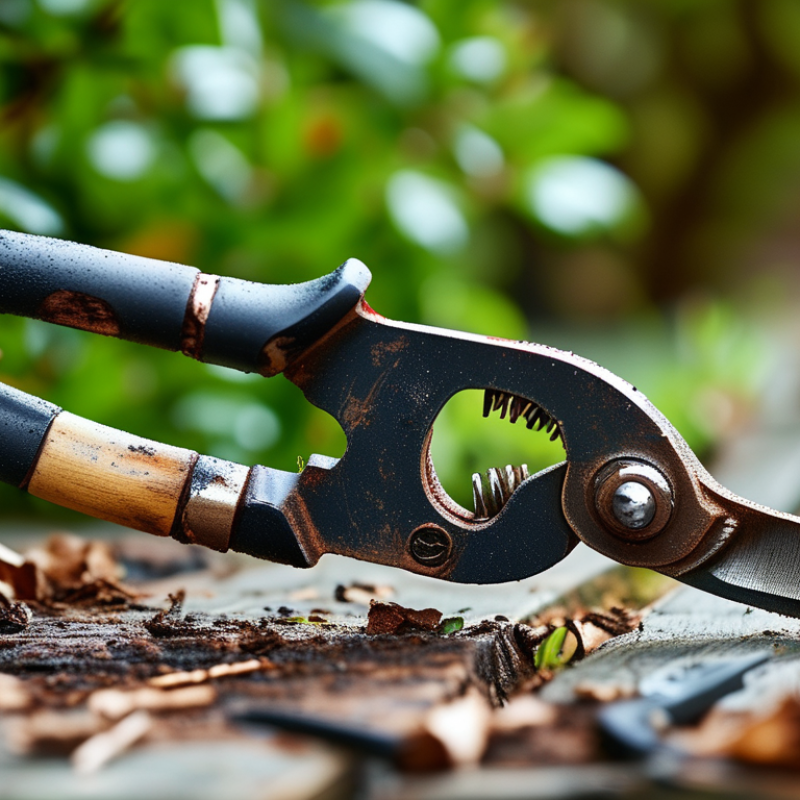
Dull pruning shears can turn a simple gardening task into a frustrating challenge. If your pruners struggle to slice through even soft stems, the main culprit is likely a lack of proper maintenance. Over time, blades can accumulate sap and debris, hindering their effectiveness. Regular cleaning can enhance performance. Using a cloth and soapy water can eliminate stubborn residues.
Another common reason for poor cutting is blade dullness itself. Repeated use wears down the sharp edge, resulting in uneven cuts. A dull blade might crush stems rather than cut them cleanly. This can damage the plant and lead to disease. Consider using a sharpening stone or having your shears professionally sharpened periodically.
Additionally, the alignment of the blades matters. If they are misaligned, they won’t cut efficiently. This often goes unnoticed until you realize the shears are not functioning as expected. It's essential to check the pivot bolt adjustment regularly. A loose or tight bolt can significantly affect the cutting action. When you take these simple steps, your pruning becomes far more effective.
When your pruning shear fails to cut effectively, it can be frustrating. To identify if they need sharpening, an inspection is essential. Look for any signs of damage, like chipped blades or rust. If the edges feel dull to the touch, that's a clear indication.
Testing their performance on a small branch can also help. If you struggle to cut through it or notice jagged edges, sharpening is likely necessary. Dull shears lead to uneven cuts, harming the plant's health.
Improper maintenance can worsen the situation. Regular cleaning is crucial to prevent sap build-up that hampers performance. If you notice heavy resistance while cutting, do not ignore it. This signals the need for urgent attention to your tools. Taking the time to assess and sharpen your shears will enhance your gardening experience.
When your pruning shear struggles to cut through branches, it often points to a dull blade. Sharpening your pruning shears is a fundamental skill that every garden enthusiast should master. A sharp blade ensures clean cuts, minimizing damage to your plants. Start by disassembling the shear carefully. This lets you reach the blades and gives a thorough cleaning. Use a wire brush to remove any sap or debris that could affect performance.
For sharpening, a sharpening stone or file does wonders. Hold the shear at a consistent angle of around 20 degrees. Stroke lightly along the blade’s edge in one direction. Avoid back-and-forth motions; they can ruin the edge. Periodically check your progress. A properly sharpened blade should glide through paper smoothly. Don’t forget the importance of maintaining the other parts too, like the pivot point. A tight connection can impede work, leading to frustration.
While sharpening is essential, it’s easy to overlook. Many gardeners rush and miss spots. Check for uneven sharpening often. If in doubt, seek advice from experienced gardeners. They can provide insight into techniques you might not have considered. Use these practices regularly, and your pruning shears will reward you with excellent performance.
Maintaining your pruning shears is crucial for efficient gardening. If the blades aren’t cutting well, dullness is often the culprit. Regular sharpening is necessary. Use a sharpening stone or file to restore the edge. Make sure to hone both sides evenly for balanced performance. After sharpening, test the shears on a piece of paper. If they slice cleanly, you're on the right track.
Cleaning is equally important. Sap, dirt, and debris can build up and hinder performance. A simple soap solution can effectively clean the blades. Rinse and dry thoroughly afterward to prevent rust. It's a good practice to apply a few drops of oil to the pivot point. This ensures smooth operation and enhances longevity. Remember, neglecting these tasks can lead to more issues down the line.
Inspecting the shears regularly offers insights into their condition. Look for any signs of wear or damage. If the handles are loose, tighten the screws. If the blades have chips, it might be time for professional sharpening. Don't overlook these details; they play a pivotal role in maintaining effective tools. Keeping your shears in optimal condition allows for precise cuts, promoting healthy plant growth.
When pruning shears lose their cutting edge, it’s tempting to repair them. However, sometimes replacement is the smarter option. If your shears are more than a few years old, frequent repairs might not be worth it. Dull blades can lead to uneven cuts, damaging your plants and prolonging their recovery times.
Consider this: Are your shears rusted or broken beyond repair? If the blades are pitted or the handle feels wobbly, it's usually time for a new pair. A well-maintained pair can make clean cuts, promoting healthier growth. Investing in quality tools pays off in the long run.
Tips to recognize when to replace: Check the blade's sharpness regularly. If you struggle with simple cuts, think about a replacement. Maintenance matters too. Clean and oil your shears after each use. This simple step extends tool life, but it won’t fix irreparable damage. Reflect on how often you prune. If you prune frequently, having reliable shears is crucial for efficiency.
: Lack of maintenance is the main cause. Debris and sap accumulate over time, hindering performance.
Use a cloth with soapy water to remove stubborn residues. Regular cleaning improves cutting efficiency.
Inspect for damage like chipped blades or rust. Test cutting on a small branch for performance.
Dull shears crush stems rather than cut. This can damage plants and make them susceptible to disease.
If they're rusted, broken, or old, consider replacing them. Frequent repairs may not be worth it.
Check the pivot bolt adjustment regularly. Misalignment can prevent efficient cutting and lead to frustration.
This signals a need for urgent maintenance. Inspect and sharpen your shears to avoid further issues.
Regular cleaning and oiling extend tool life. However, it won’t fix irreparable damage from excessive wear.
Pitted blades or a wobbly handle are clear signs. If repairs are constant, reflect on investing in new shears.
Yes, uneven cuts from dull shears can harm plants and prolong their recovery time more than necessary.
In the quest to answer the question, "Why is my pruning shear not cutting," it's essential to consider several common reasons that may lead to dull shears. Factors such as blade damage, accumulated grime, or improper usage can significantly affect their cutting performance. Identifying when your pruning shears need sharpening is crucial; signs include jagged cuts or difficulty slicing through branches.
To restore their effectiveness, employing proper sharpening techniques is vital, including using a sharpening stone or file and aligning the blades correctly. Regular maintenance, such as cleaning and lubricating the shears, helps keep them in optimal condition. However, if your pruning shears are beyond repair or excessively worn out, it may be time to consider replacement instead of repair. Following these guidelines ensures your pruning shears remain a reliable tool for your gardening needs.

Moxie Garden