Maintaining garden hand tools is essential for optimal performance and longevity. According to the National Gardening Association, well-maintained tools can increase a gardener's efficiency by up to 30%. However, many gardeners overlook the importance of sharpening their tools regularly. Knowing how to sharpen garden hand tools at home is a crucial skill for anyone looking to enhance their gardening experience.
Research indicates that dull blades can lead to poor cutting performance, causing unnecessary strain and frustration. In fact, a study by the Garden Tool Institute found that nearly 50% of gardeners struggle with tool maintenance. This highlights a significant gap in knowledge among garden enthusiasts. Addressing this gap can transform gardening from a chore into a pleasurable activity.
Understanding the techniques to sharpen your tools can prevent the discomfort of ineffective gardening. While there are numerous solutions available, the art of sharpening can seem daunting for beginners. Mistakes in the process may lead to uneven edges or damaged blades. Therefore, this guide on how to sharpen garden hand tools at home will provide practical insights and actionable steps to keep your tools in peak condition.
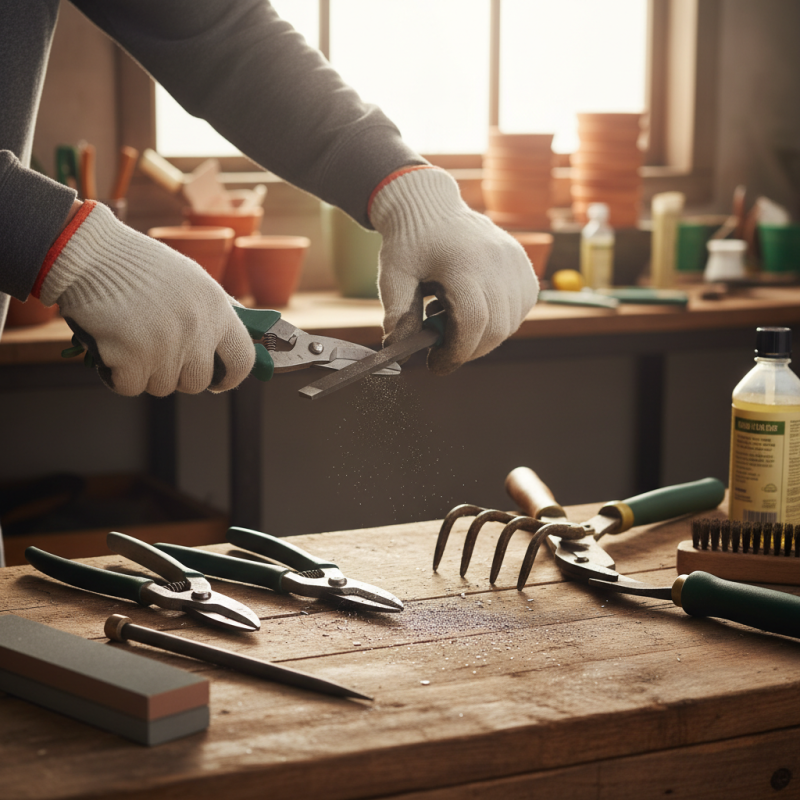
When it comes to sharpening garden hand tools, choosing the right tools is essential for effective maintenance. It's not just about having any sharpener; the type you select greatly impacts the results. For instance, a sharpening stone provides a fine edge on blades but requires skill and patience. A manual sharpener is easier to use and works well for those who lack experience. The choice between these options depends on your comfort level and type of tool.
Consider the materials of your garden tools. Stainless steel and carbon steel react differently to sharpeners. Using a diamond file can be effective for tougher materials, while traditional stones work great on softer metals. Sharpening tools also vary in size. A small, portable sharpener can be beneficial for touch-ups while working in the garden. However, not every tool fits every job. Experimenting with different methods can help you discover what yields the best results for your specific tools. Each type has its pros and cons, and learning from mistakes is part of the process.
When sharpening garden hand tools at home, safety must be your top priority. Proper gear is essential. Always wear safety goggles to protect your eyes from shards. Gloves can offer a grip, but make sure they don’t get caught in moving parts. Avoid loose clothing; it can snag and cause accidents.
Ensure your workspace is clutter-free. A tidy area reduces the risk of tripping. Use a stable surface to work on. Vibration from tools can lead to slips if not properly secured. Check your tools for any defects before use. A crack in the blade can pose serious dangers while sharpening.
Experiment with different sharpening techniques cautiously. While a grinding wheel might be efficient, it can also generate heat that damages the tool. If you're unsure, slow down. Taking your time can yield better results and safer practices. Reflect on your sharpening methods regularly. It’s important to be aware of what works and what needs improvement. Safety is not just about following rules; it’s about cultivating a mindful approach to your craft.
Sharpening secateurs and pruners is essential for maintaining a healthy garden. Dull tools can cause plant damage and create entry points for diseases. According to a report by the National Gardening Association, effective tool maintenance can enhance productivity by up to 20%. It's worth investing time in this skill.
Begin by gathering your tools: a sharpening stone, a file, and a cloth. Ensure the pruners are clean and free of debris. Hold the blade at a 20-degree angle against the sharpening stone. Use smooth, even strokes, making 10 to 15 passes on each side. This process may feel cumbersome initially, but practice makes it easier. Experts recommend honing tools after every few uses, but many gardeners often overlook this step.
After sharpening, wipe down the blades with a cloth to prevent rust. Inspect for any nicks or damage that may require professional repair. Regular maintenance not only prolongs the life of your tools but also contributes to a healthier garden. Reports indicate that gardeners with well-maintained tools report fewer instances of plant disease. Prioritizing this practice will ensure your gardening efforts yield fruitful results.
Honing garden knives and shears is essential for maintaining an efficient toolset. A well-sharpened blade cuts cleanly, reducing strain on your hands. As you start, gather your tools: a sharpening stone, honing guide, or even a simple file.
Begin with the sharpening stone. Wet the stone with water or oil. Hold the knife at a 20-degree angle against the stone. Push the blade away from you. Apply even pressure and maintain that angle. Repeat this process for both sides until you feel a slight burr forming.
For shears, open the blades fully. Clean the surfaces to remove sap and debris. Use a file to sharpen the edge at a similar angle. Glide the file along each blade with care. Take your time; rushing may create uneven edges. Regular maintenance, though sometimes tedious, can lead to significantly improved performance. Reinforce the habit to ensure your tools are always ready for work.
Maintaining garden hand tools requires a keen focus on ongoing care and proper storage. According to a survey by the American Society of Garden Communicators, 60% of gardening enthusiasts report that sharp tools improve their efficiency and safety. Keeping tools sharp reduces strain on your hands and back. Regular maintenance is crucial to prolong the life of your tools and enhance your gardening experience.
Proper storage will also help maintain tool sharpness. Tools should be stored in a dry place, away from humidity. Moisture can lead to rust, dulling the blades. Using a wooden block or magnetic strip can prevent damage. Additionally, a light coat of vegetable oil can protect metal parts from corrosion.
Here are some tips for ongoing care. Avoid using tools on inappropriate surfaces, as this can knock edges out of alignment. Remember to clean tools after each use. Soil and plant debris can cause deterioration. Lastly, consider sharpening tools before the season starts. This proactive approach ensures you are ready for demanding tasks. Over time, neglecting tool maintenance can lead to inefficiencies. Regular attention will yield healthier plants and more enjoyable gardening sessions.
: Always wear safety goggles to protect your eyes. Gloves can help grip but may pose risks.
A clutter-free area reduces tripping hazards. Use a stable surface to secure your tools.
Inspect for defects like cracks, which can cause serious injuries during sharpening.
Rushing can lead to uneven edges and dangerous accidents. Take your time for better results.
Wet the stone, hold the knife at a 20-degree angle, and push the blade away from you.
Clean the shears first, then use a file to sharpen each blade with care at a similar angle.
Slow down and reflect on your practices. A mindful approach leads to better safety and outcomes.
Though tedious, regular maintenance ensures your tools perform well and are safe to use.
In the article "Top 10 Ways to Sharpen Garden Hand Tools at Home," the focus is on providing practical guidance for gardeners looking to maintain their tools effectively. It begins by emphasizing the need to select appropriate sharpening tools, ensuring that the right equipment is used for each type of garden hand tool. Safety precautions are highlighted to prevent accidents during the sharpening process.
A step-by-step guide is provided specifically for sharpening secateurs and pruners, while techniques for honing garden knives and shears are also discussed. Lastly, the article offers tips for ongoing tool care and proper storage practices to maintain blade sharpness over time. By following this comprehensive guide, readers can learn how to sharpen garden hand tools at home, ensuring their garden tools remain efficient and safe to use.

Moxie Garden