How to Sterilize Garden Tools to Prevent Plant Disease?

Time:2026-05-13 Author:Amelia
0%

Maintaining a healthy garden requires diligence. One key factor in preventing plant diseases is proper tool hygiene. Many gardeners overlook this crucial aspect. However, knowing how to sterilize garden tools to prevent plant disease is essential for garden health.

When tools are contaminated, they can spread pathogens among plants. This can lead to wilt, rot, and various diseases that threaten your garden's productivity. The good news is that sterilizing tools is a straightforward process. It takes minimal effort but yields significant benefits. Regular cleaning can greatly reduce the risk of disease transmission.

In light of this, it is important to consider common practices. Many gardeners use bleach or vinegar, but how effective are these methods really? Evaluating their strengths and weaknesses is vital. Embracing better practices can transform your gardening experience and ensure your plants thrive without disease.
How to Sterilize Garden Tools to Prevent Plant Disease?

Importance of Sterilizing Garden Tools to Combat Plant Disease

Garden tools are essential for maintaining a healthy garden. However, they can also harbor harmful pathogens. These pathogens can transfer to plants, causing diseases that are difficult to control. That's why sterilizing your garden tools is crucial. By taking this simple step, you can prevent the spread of plant diseases effectively.

Importance lies in being proactive. When tools aren't sterilized, even a small amount of soil trapped in the crevices can introduce bacteria or viruses. This scenario is often underestimated. Many gardeners neglect this task, focusing solely on watering and weeding. Yet, their care can be undone by tools that should be cleaned. A simple wash with soap and water or a solution of bleach can make a noticeable difference.

Over time, scrubbing and soaking the tools may seem tedious. It's easy to forget or rush through this process. But the health of your garden depends on it. Plants thrive better without disease stress. Regular tool maintenance not only helps your plants but can also save you time and resources in the long run. So, make sterilization a habit for a flourishing garden.

Common Plant Diseases Transmitted by Contaminated Tools

Contaminated garden tools can spread serious plant diseases. Fungal infections, bacterial blights, and viral diseases are common threats. Tools left outside can collect spores and pathogens. Oils and residues can remain even after use. Each time you prune, you may transfer these harmful agents to healthy plants.

Fungal infections like powdery mildew thrive on dirty blades. Bacterial blights, such as bacterial wilt, can linger on tools, waiting for the next unsuspecting plant. Even simple tasks, like cutting a leaf, can introduce these infections. Viral diseases, including mosaic virus, can be especially insidious. They often show no immediate symptoms but can devastate a garden later.

Cleaning tools regularly is crucial. Use soap and water for basic cleansing. A solution of one part bleach to nine parts water can disinfect effectively. Rinse well after applying. For stubborn residues, consider using a wire brush. Some methods can leave behind remnants, requiring deeper cleaning. Always inspect tools before use. Taking these steps can help protect your plants. However, remember no method is foolproof; vigilance is key.

Effective Methods for Sterilizing Garden Tools: A Comparative Analysis

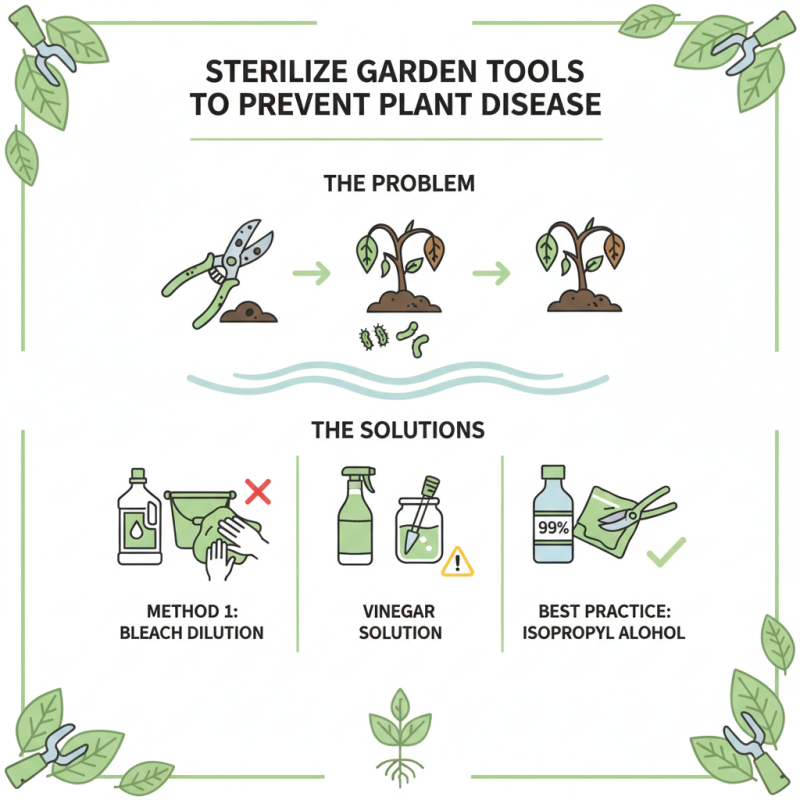
Sterilizing garden tools is essential for preventing plant diseases. Many effective methods exist, each with its pros and cons. A popular method is using a bleach solution. Mix one part bleach with nine parts water. Soak your tools for 10-15 minutes. This method kills most pathogens. However, bleach can rust tools over time, so rinse them thoroughly afterward.


Another method is using isopropyl alcohol. It disinfects surfaces quickly and is safe for most metals. Spray it on tools and let it sit for several minutes. This option is easy to store and handle, making it a favorite among gardeners. Yet, it requires careful handling due to its flammable nature.


Heat treatment is also an option. You can heat tools in the oven at 140°F for about 30 minutes. This method is effective, but ensuring the tools fit safely in your oven is crucial. Each method has its limitations. It's vital to consider your specific needs and tool types when choosing a sterilization process. Taking careful steps can help safeguard your garden.

Recommended Concentrations of Disinfectants for Tool Sterilization

When it comes to sterilizing garden tools, using the right disinfectant concentration is crucial. Research indicates that a bleach solution with a concentration of 10% is effective in killing a wide range of pathogens. This level is strong enough to eliminate bacteria and fungi without damaging most tools. It's important to let the tools soak for at least 10 minutes in this solution to ensure efficacy.

Another recommended disinfectant is 70% isopropyl alcohol. This concentration is particularly effective against viruses and can disinfect tools quickly. Spray the alcohol directly onto the tools, and let them air dry. This method is convenient and often less harsh on metal surfaces compared to other solutions. However, always wear gloves when using these chemicals to protect your skin.

A study in the Journal of Agricultural Science states that tools can transmit pathogens even after being cleaned. This highlights the need for regular sterilization. Inconsistent practices may leave tools inadvertently contaminated. Therefore, regular disinfection, especially between different gardening tasks, can significantly reduce disease spread. Reflecting on these practices can help improve your gardening health.

How to Sterilize Garden Tools to Prevent Plant Disease?

Disinfectant Recommended Concentration Contact Time Effectiveness Against
Bleach (Sodium Hypochlorite) 10% solution (1 part bleach to 9 parts water) 10-15 minutes Bacteria, Fungi, Viruses
Isopropyl Alcohol 70% solution 5-10 minutes Bacteria, Fungi, Spores
Hydrogen Peroxide 3% solution 10-30 minutes Bacteria, Viruses, Fungi
Vinegar (Acetic Acid) 5% solution 30 minutes Bacteria, Light Mold

Best Practices for Regular Maintenance of Sterilized Garden Tools

Garden tools are essential for maintaining a healthy garden. Regular maintenance of sterilized tools can prevent the spread of plant diseases. According to a 2021 study by the American Society for Horticultural Science, using clean tools significantly reduces disease incidence by up to 30%. This statistic underscores the importance of a robust maintenance program.

Tips for maintaining sterilized tools include cleaning after each use. Use hot, soapy water to remove soil and debris. Rinse thoroughly to avoid soap residues. For metal tools, a solution of bleach and water can effectively kill pathogens. Remember to dry them completely to prevent rust. It’s also wise to check tools for damage. Small cracks can harbor bacteria, even on sterile surfaces.

Regular checks on storage conditions are crucial. Store tools in a dry place to avoid moisture buildup. An excess of humidity can lead to mold growth. Rotating your tools periodically helps evenly distribute wear. This practice could prolong their lifespan, while refreshing their efficiency. No maintenance routine is flawless; adjustments may be needed based on your specific gardening environment.

Frequency of Sterilization for Garden Tools

FAQS

: Why is it important to sterilize garden tools?

: Sterilizing tools prevents the spread of harmful pathogens that can cause plant diseases.

How can I effectively clean my garden tools?

Use hot, soapy water to scrub tools. Rinse thoroughly to prevent soap residues.

What can happen if I neglect tool sterilization?

Neglecting sterilization can result in bacteria transfer, harming your plants' health.

How often should I clean my garden tools?

Clean tools after each use to maintain their sterility and effectiveness.

What solution can I use for metal tools?

A bleach and water solution effectively kills pathogens on metal tools.

How should I store my garden tools?

Store tools in a dry area to prevent moisture buildup and mold growth.

Can damaged tools still be sterilized?

Damaged tools may harbor bacteria in cracks; regular checks are necessary.

How does maintaining sterilized tools benefit gardening?

Regular maintenance increases plant health and reduces time spent on disease issues.

Is it necessary to have a maintenance routine?

Yes, adjustments may be needed based on your gardening environment for best results.

What if I find sterilization tedious?

While it can seem tedious, consistent sterilization is crucial for a flourishing garden.

Conclusion

Sterilizing garden tools is vital for preventing the spread of plant diseases, which can lead to significant damage in gardens. Understanding how to sterilize garden tools to prevent plant disease involves recognizing the importance of maintaining clean tools and the common pathogens that can be transmitted through contaminated equipment. Effective sterilization methods include using heat, chemical disinfectants, and alcohol, each with specific recommended concentrations to ensure efficacy.

Regular maintenance of sterilized tools not only helps in combating plant diseases but also extends their lifespan. By implementing best practices for tool care, gardeners can create a healthier environment for their plants and reduce the risk of disease outbreaks. Overall, proper sterilization and maintenance of tools are essential components of successful gardening.

Amelia

Amelia

Amelia is a seasoned marketing professional with a wealth of expertise in our company’s core offerings. With an unwavering passion for driving growth and innovation, she plays a pivotal role in shaping our marketing strategies and enhancing brand visibility. A key aspect of her responsibilities......