How to Stop My Garden Tool Handle from Breaking?

Time:2026-08-31 Author:Ethan
0%

Gardening can be a rewarding activity, but it can quickly turn frustrating. One common issue gardeners face is tool handle breakage. Many wonder, "Why does my garden tool handle keep breaking?" According to gardening expert Dr. Emily Carter, "Using tools made from poor materials is a primary cause of frequent breakage." This highlights the importance of choosing quality tools.

There are several reasons why garden tool handles fail. Improper use can weaken the materials. Over time, wear and tear also plays a significant role in breaking handles. For instance, if tools are left outside in harsh weather, the handles can deteriorate faster. Even slight neglect can lead to significant consequences.

Choosing the right tool is crucial. Upgrading to tools with solid, durable handles can save you money in the long run. Remember, investing in quality pays off. Taking time to care for your tools can prevent breakdowns. Additionally, examining your technique may uncover habits that inadvertently lead to breakages. Reflecting on these aspects can aid you in extending the lifespan of your garden tools.
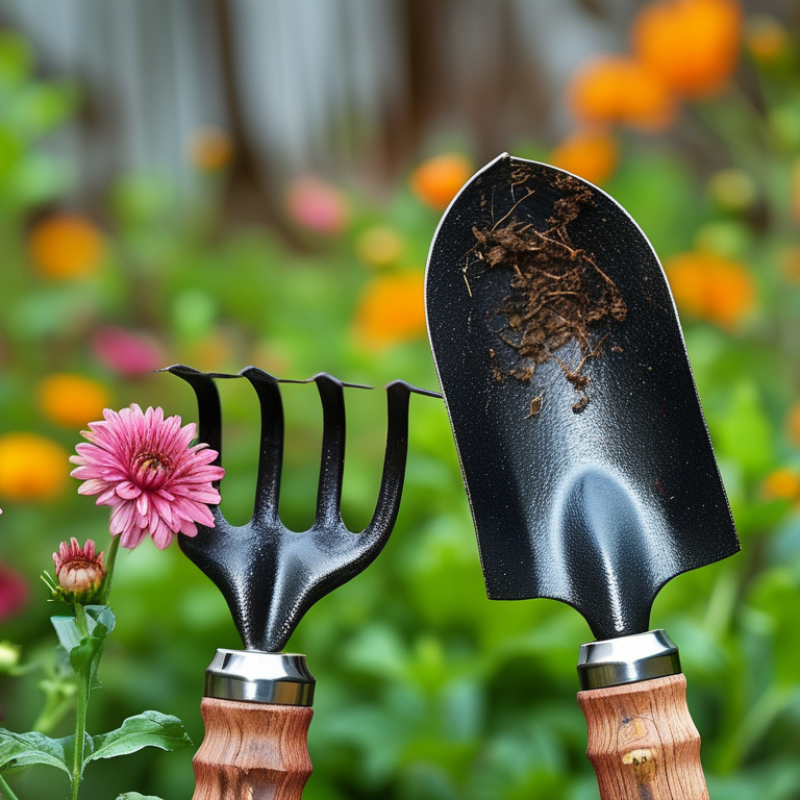
How to Stop My Garden Tool Handle from Breaking?

Choosing the Right Material for Garden Tool Handles

Choosing the right material for garden tool handles is essential for durability and comfort. Wood is a traditional choice. It feels warm and natural but can splinter over time. Some wooden handles can become brittle if not maintained properly. Proper care, like oiling and storing them indoors, can extend their life.

Metal handles are robust and resistant to harsh weather. They often provide excellent leverage. However, they can become cold and uncomfortable to hold during winter gardening. Some metal handles can rust if exposed to moisture. Regular cleaning and drying after use help prevent this issue.

Plastic handles offer a lightweight alternative that resists weathering. They come in vibrant colors, making tools easy to spot. The downside is that plastic can become brittle under extreme temperatures. Over time, plastic handles may crack or break with heavy use. Choosing the right handle material involves weighing these factors against your gardening needs.

Understanding Common Causes of Handle Breakage

Garden tool handles often break due to common wear and tear. One major cause is excessive force during use. Gardeners sometimes apply too much pressure, especially when digging or cutting. This can create stress points that lead to cracks or breaks. Additionally, improper storage can also contribute to damage. Leaving tools out in harsh weather can weaken the material.

Another factor is the type of material used in the handle. Wooden handles are susceptible to rot and splintering if not maintained properly. On the other hand, metal and plastic components can bend or become brittle over time. Inspecting your tools regularly can help identify these weaknesses. Proper care, such as cleaning and oiling wooden handles, can prolong their life.

It’s also important to note that even high-quality tools can fail. Sometimes, the workmanship may not be up to standard. Frustration with a broken handle is common, but it can be a learning experience. Understanding the reasons behind breakage allows for better prevention in the future. Consider these factors to keep your garden tools in good shape.

Implementing Proper Maintenance Techniques for Longevity

Maintaining your garden tools is essential for their longevity. Many gardeners overlook the need for regular maintenance, leading to premature breakage. In fact, a report from the American Society of Agricultural and Biological Engineers states that well-maintained tools can last up to 50% longer. Proper care helps save on costs and time spent on replacements.

Start with cleaning after each use. Soil and debris can weaken the handle over time. Simple steps like rinsing or wiping down can make a difference. Additionally, inspect for any signs of wear, including cracks or splintering. Ignoring these signs could lead to broken tools when you need them most.

Another vital aspect of maintenance is storage. Moisture can lead to rot, especially for wooden handles. Keeping tools in a dry place is crucial. Hanging them up can also prevent damage from blunt force. According to a study from the National Gardening Association, over 30% of gardeners do not store their tools properly, which increases the risk of breakage. Little practices can turn into significant changes in the tool's lifespan.

Garden Tool Handle Durability: Maintenance Techniques Impact

Utilizing Handle Protectors and Reinforcements

When it comes to gardening, broken tool handles can be a real pain. To prevent this, consider utilizing handle protectors. These simple accessories are designed to absorb shock and reduce wear and tear. They often fit over the handle, ensuring a better grip and added comfort. Look for options made from durable materials, as they can extend the life of your tools significantly.

Reinforcement is another effective strategy. This involves applying additional layers of material to vulnerable areas of the handle. For instance, wrapping a handle with tape can provide extra cushioning. You might also experiment with different types of tape to find one that suits your needs. Some gardeners have found success with rubberized tape or foam padding. The key is to choose materials that enhance durability without adding unwanted bulk.

Regular maintenance also plays a vital role. Check your tools frequently for signs of wear. Small cracks or splintering can worsen over time. Taking the time to repair minor issues can save your tools from more extensive damage. Embracing these methods encourages a proactive approach to tool care. Each gardening season brings new challenges, so staying ahead can keep your tools in prime shape.

How to Stop My Garden Tool Handle from Breaking? - Utilizing Handle Protectors and Reinforcements

Tool Type Common Breakage Points Recommended Handle Protector Reinforcement Method
Shovel Top of the handle Rubber grip sleeve Metal handle insert
Rake Lower part of the handle Plastic guard Fiberglass reinforcement
Hedge Clippers Joint area Silicon sleeve Carbon fiber wrap
Pruning Shears Handle base Textured rubber case Wooden dowel support
Trowel Grip area Foam grip cover Reinforced socket

Storing Garden Tools to Prevent Damage and Wear

Proper storage of garden tools is essential to prolong their lifespan and prevent damage. The American Society for Horticultural Science highlights that tools exposed to moisture can deteriorate significantly faster, leading to weakened handles. A recent study found that maintaining tools in a dry, temperature-controlled environment reduces wear by up to 40%.

One effective method is to hang tools on a wall. This prevents contact with the ground, which can introduce dirt and moisture. Make sure to clean and dry tools before storage. It may feel tedious, but investing those extra minutes can save costly repairs or replacements.

Consider using protective covers for your tools. These covers shield against dust and humidity. In a survey, 56% of garden tool users reported fewer maintenance issues after implementing protective storage measures.

Regularly inspecting your tools for signs of wear is also critical. Addressing small issues now prevents bigger problems later.

FAQS

: What material is best for garden tool handles?

: It depends on your needs. Wooden, metal, and plastic all have pros and cons.

Why choose wooden handles for tools?

They feel warm and natural. However, they can splinter and become brittle without care.

What are the advantages of metal handles?

Metal handles are strong and resist harsh weather. They can feel cold in winter, though.

How should I care for metal handles?

Clean and dry them regularly to prevent rust. Moisture can cause significant damage.

What is a key benefit of plastic handles?

They are lightweight and weather-resistant. But extreme temperatures can make them brittle.

How can I prolong the life of my garden tools?

Regular maintenance and proper storage are vital. Clean them after each use and inspect for damage.

What happens if I ignore maintenance?

Ignoring care may lead to premature breakage. Tools could fail when you need them to perform.

How should I store garden tools?

Store in a dry place to prevent rot. Hanging tools helps avoid damage from blunt force.

Why do many gardeners neglect tool care?

Many don’t realize its importance. Proper maintenance can significantly extend tool life.

What should I inspect tools for during maintenance?

Look for cracks or splintering. Ignoring these can lead to more serious damage later.

Conclusion

In addressing the question, "Why does my garden tool handle keep breaking?", it is essential to consider various factors contributing to handle breakage. Firstly, selecting the right materials for garden tool handles—such as robust woods or durable composites—can significantly enhance their resilience. Understanding common causes, such as improper usage or exposure to harsh weather, can aid in avoiding repeat issues.

Moreover, implementing proper maintenance techniques, such as regular cleaning and oiling, can extend the lifespan of your tools. Utilizing handle protectors and reinforcements offers additional support against wear and tear. Lastly, storing garden tools in a safe, dry place prevents unnecessary damage, ensuring they remain in optimal condition for years to come. By consciously applying these strategies, gardeners can effectively reduce handle breakage and enhance the durability of their tools.

Ethan

Ethan

Ethan is a seasoned marketing professional with a deep expertise in our company's innovative product line. With a passion for sharing knowledge and insights, he takes the lead in regularly updating our corporate blog, where he explores industry trends, product features, and effective marketing......