Container gardening has become a popular trend among urban dwellers and gardening enthusiasts alike. What tools do I need for container gardening? This question is essential for anyone looking to create a thriving garden in limited spaces. Investing in the right tools ensures successful planting and maintenance of your container garden.
A well-equipped gardener knows that tools can make or break their gardening experience. Quality pots, soil, and watering devices are non-negotiable. Basic hand tools, like trowels and pruners, help with planting and upkeep. It’s frustrating to struggle with inadequate tools. Reflecting on your gardening experience can help you identify gaps in your toolkit.
In addition, there are specialized tools that address specific needs. Consider the importance of plant supports and pest management supplies. Each tool serves a particular purpose, enhancing your gardening journey. The right equipment transforms container gardening from a chore into an enjoyable hobby. Make your gardening dream a reality with the tools that suit your needs.
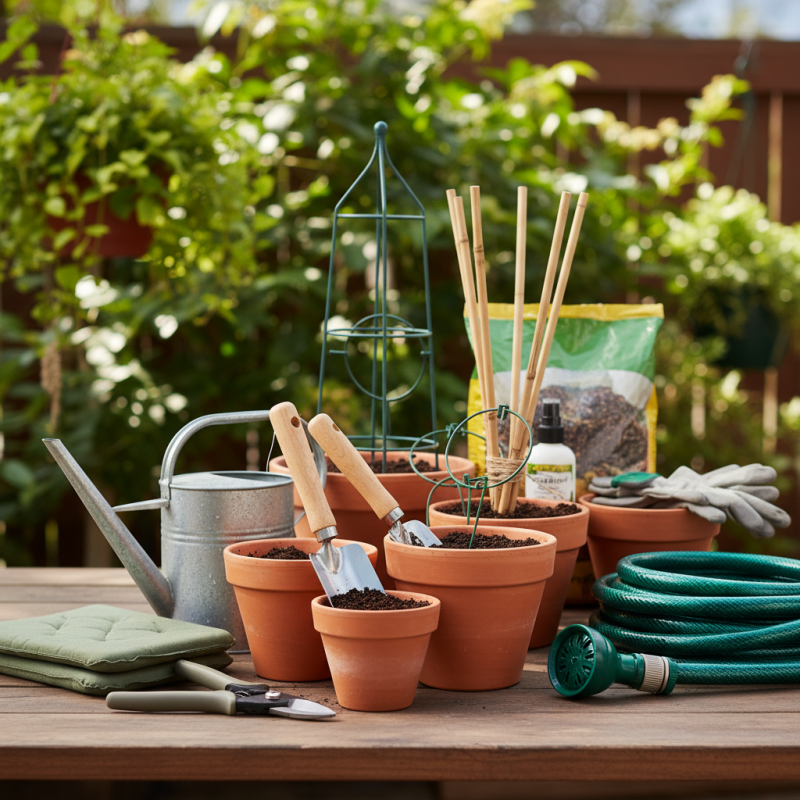
Essential Soil and Potting Mix for Optimal Container Growth
Choosing the right soil and potting mix is crucial for successful container gardening. Optimal soil provides necessary nutrients for plants, helping them thrive in confined spaces. A well-balanced mix typically includes organic matter, peat moss, and perlite. This combination aids drainage and moisture retention, giving your plants the best chance of survival.
When mixing your potting soil, consider the specific needs of your plants. Some prefer drier conditions, while others need more moisture. This can affect your choice of materials. Nutrient-rich compost can enhance growth but may also lead to over-fertilization if not monitored. Experimenting with ratios can help you find the perfect blend.
Tip: Always check your pots for drainage holes. Good drainage prevents waterlogging, which can damage roots. Avoid using ordinary garden soil, as it can compact in containers, leading to poor growth. Remember, the right mix can make a significant difference in your gardening results. Stay observant—watch how your plants respond, and adjust your soil recipe accordingly.
Selecting the Right Containers: Material, Size, and Drainage Considerations
Selecting the right containers is crucial for successful container gardening. The material of your containers can significantly affect plant growth and health. Common choices include plastic, ceramic, and metal. Each has unique properties. For instance, ceramic containers retain moisture well but can be heavy. Plastic is lightweight and versatile, allowing more flexibility.
Size matters, too. A container should be at least 12 inches deep for most vegetables. Shallow containers lead to restricted root growth. According to the National Gardening Association, an adequate container size boosts yield by up to 30%. Drainage is another key factor. Without proper drainage holes, plants may suffer from root rot.
Tip: Always check for drainage holes before planting. If your container lacks them, create several. Another tip is to choose a saucer that fits underneath your container. This prevents excess water from pooling and protects surfaces. Avoiding excessive watering after planting can save your plants from common pitfalls. Understanding these factors enhances your gardening success, reflecting both your investment in materials and your commitment to nurturing your plants.
Container Gardening Tools and Considerations
Recommended Tools for Maintenance: Watering, Pruning, and Fertilizing
Container gardening can be rewarding, but maintaining healthy plants requires the right tools.
Watering is essential. A sturdy watering can or a hose with a spray nozzle ensures even moisture distribution.
Pay attention to the plant's needs—some prefer more water, while others thrive in drier conditions. Remember to monitor weather changes;
plants may need extra water during hot spells.
Pruning tools are equally important. Sharp, clean shears help manage growth and remove dead leaves.
Regular pruning encourages new blooms and improves air circulation. It’s also easy to overlook parts of the plant that need care.
Aim to prune at least once a month, but be mindful not to overdo it.
Fertilizing is key to vibrant container gardens. Use a balanced fertilizer to provide essential nutrients.
Measuring and following instructions is critical. Too much fertilizer can harm plants. The right approach is to observe the plants.
If leaves start to yellow, they may need more nutrients.
Container gardening involves constant observation and adjustments.
Not every decision will lead to success, and that’s part of the learning journey.
Plant Selection Strategies: Choosing Compatible Vegetables and Herbs
Choosing compatible vegetables and herbs is crucial for successful container gardening. Research shows that companion planting can enhance growth and yield. According to a study by the University of Georgia, particular combinations such as tomatoes with basil can improve flavor and pest resistance.
When selecting plants, consider their growth habits and nutrient needs. For instance, leafy greens like lettuce can thrive with herbs like dill or cilantro, which do not compete for space or resources. Grouping plants with similar watering needs is also vital. Overwatering can lead to root rot, a common issue in container gardens.
Tip: Start with plants that grow well together. This can create a harmonious ecosystem in your containers.
Diversity in container gardens may present challenges. Some plants may overshadow others, inhibiting their growth. Regular observation and adjustments are needed. Monitor your plants regularly and rearrange them if necessary.
Tip: Don’t hesitate to remove struggling plants to improve overall health.
Consider your climate and seasons. Some herbs may wilt in intense heat, while others endure. Understanding these dynamics is key to a thriving garden. Experimentation is part of the journey in container gardening. It’s about learning what works best in your unique environment.
Understanding Sunlight and Location for Container Garden Success
When planning a container garden, understanding sunlight and location is crucial for success. A study by the American Horticultural Society reveals that about 60% of plant growth is influenced by lighting conditions. Different plants require varying levels of sunlight. For example, most vegetables need 6-8 hours of direct sunlight daily. Insufficient light can stunt growth and lower yields.
Evaluate your space before planting. Observe how sunlight moves across your area throughout the day. If your balcony or patio is shaded by trees or buildings, consider utilizing reflective surfaces to increase light availability. For plants like herbs and tomatoes, aim for full sun exposure to promote healthy growth.
Tips: Rotate your pots to maximize sun exposure. Utilize smaller pots for herbs, as some can thrive in less light. Experiment with plant combinations based on their sunlight needs. Additionally, consider the environmental factors, such as wind or rain, which can also impact your garden's success. Understanding these nuances is key to fostering a thriving container garden.
What Tools Do I Need for Successful Container Gardening? - Understanding Sunlight and Location for Container Garden Success
| Tool |
Purpose |
Sunlight Requirements |
Best Location |
| Containers |
Holds plants and soil |
Depends on plant type |
Balcony or patio |
| Potting Soil |
Provides nutrients |
N/A |
Any location |
| Watering Can |
Irrigation of plants |
Depends on plant type |
Any location |
| Fertilizer |
Enhances growth |
N/A |
Any location |
| Garden Trowel |
Digging and planting |
N/A |
Any location |
| Pruning Shears |
Trimming plants |
N/A |
Any location |
Conclusion
Successful container gardening requires a combination of essential tools and knowledge. First, understanding the importance of the right soil and potting mix is crucial for optimal plant growth. When considering what tools do I need for container gardening, selecting appropriate containers based on material, size, and drainage is equally important to ensure your plants thrive.
In addition to these fundamentals, recommended maintenance tools for watering, pruning, and fertilizing will help keep your garden healthy. Plant selection strategies should focus on choosing compatible vegetables and herbs that complement each other. Lastly, understanding sunlight requirements and selecting the right location will significantly contribute to the overall success of your container garden. By integrating these elements, you can create a flourishing and productive gardening space.

 Moxie Garden