In modern commercial agriculture, forestry management, and large-scale landscaping projects, soil conditioning and moisture preservation represent vital operation goals. Mulching—the application of organic or inorganic material over soil layers—serves as a primary technique to suppress weed growth, limit soil erosion, optimize water consumption, and regulate thermal profiles in root zones. Consequently, the industrial demand for specialized mulching tools, cultivators, and heavy-duty hand implements has expanded globally.
Large-scale commercial buyers, including multinational horticultural supply firms, regional agricultural cooperatives, and direct retail brands, face unique challenges. Securing supply chains requires a thorough analysis of manufacturing hubs capable of balancing structural durability, ergonomics, and cost efficiency. From precision carbon steel forgings to mechanized walk-behind micro-tillers and manual mulching weeding tools, selecting the right manufacturing partner dictates the viability and performance of agricultural operations in North America, Europe, and the Asia-Pacific region.
Utilizing high-performance carbon and manganese steel alloys to guarantee long-term wear resistance under tough working environments.
Seamless OEM and ODM options tailored to comply with international packaging, customs, and distribution criteria.
Emphasizing low-carbon steel processes, non-toxic polymer compositions, and sustainably sourced wood components (FSC-certified).
Zhejiang Moxie Garden Co., Ltd. was established in 2013 and specializes in the production, customization, and export of high-grade garden tools, children’s garden tools, bonsai tool sets, and structural mulching instruments. Based in Zhejiang Province, a prominent industrial hub for hardware engineering and garden technology in China, Moxie Garden has grown into an international supplier supporting multi-channel retail systems and large-scale agricultural projects.
In 2022, the company generated global export revenue exceeding 5 million USD, successfully serving professional buyers in 32 countries and regions. By controlling all phases of production—from mold design to final validation testing—Zhejiang Moxie Garden ensures rigorous compliance with industrial benchmarks.
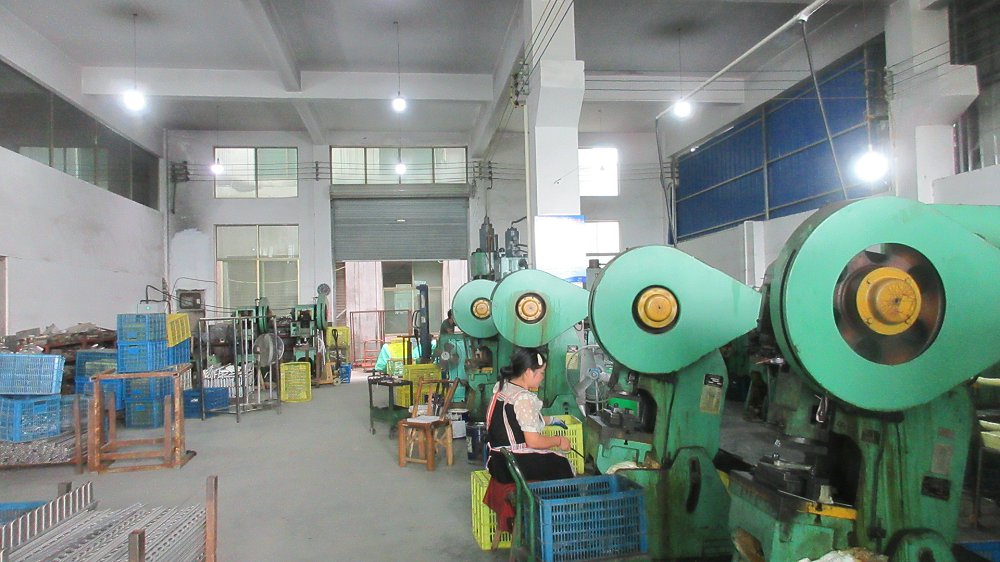
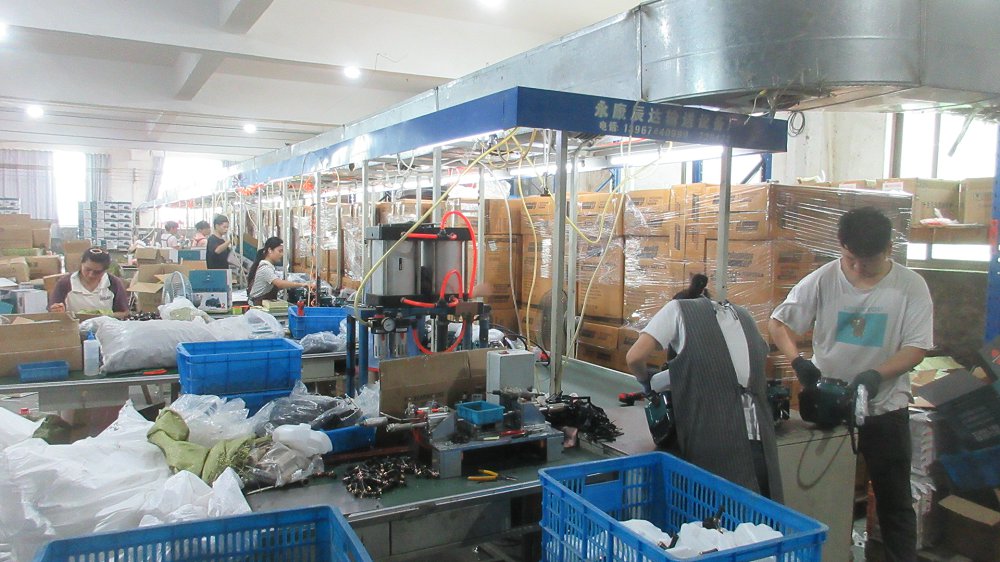
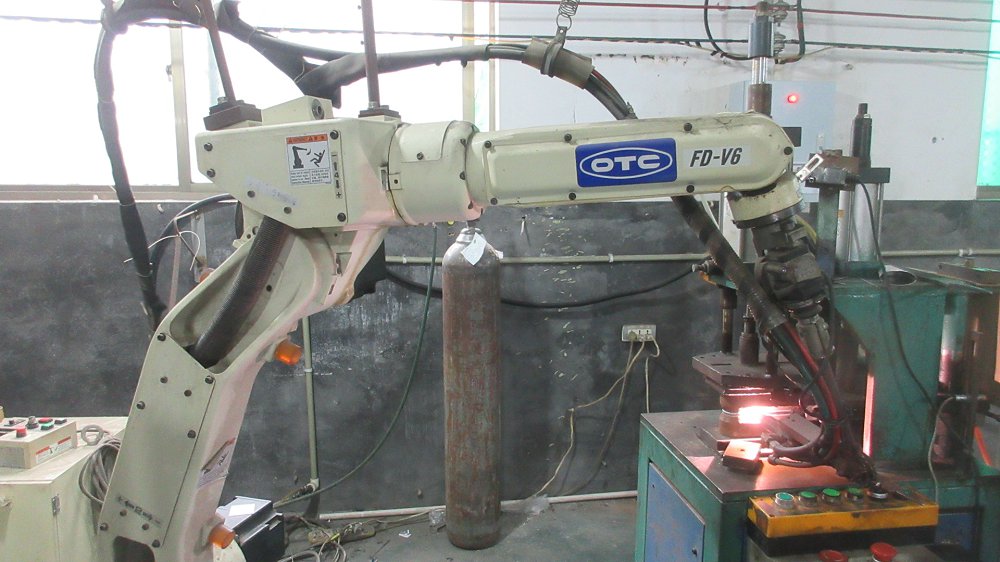
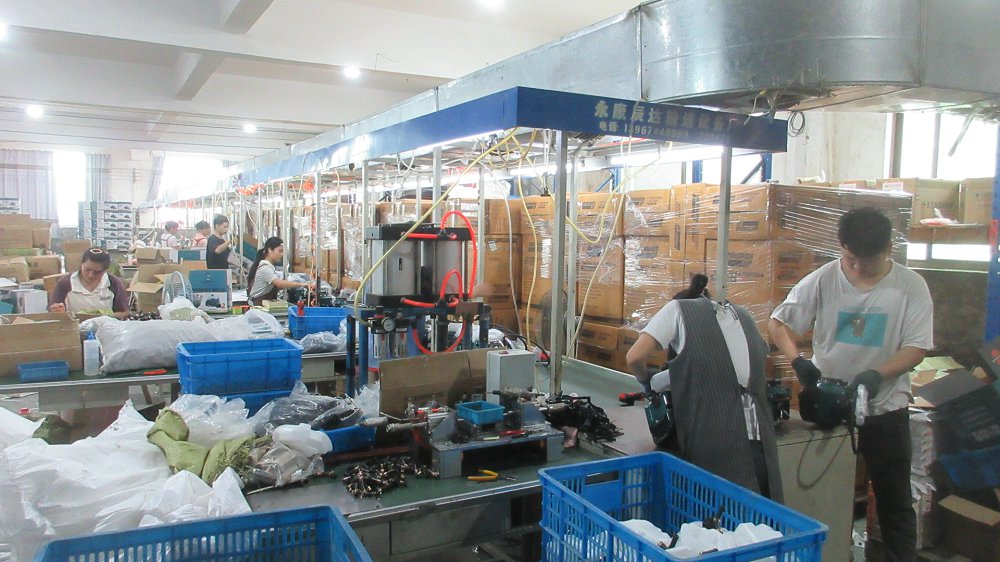
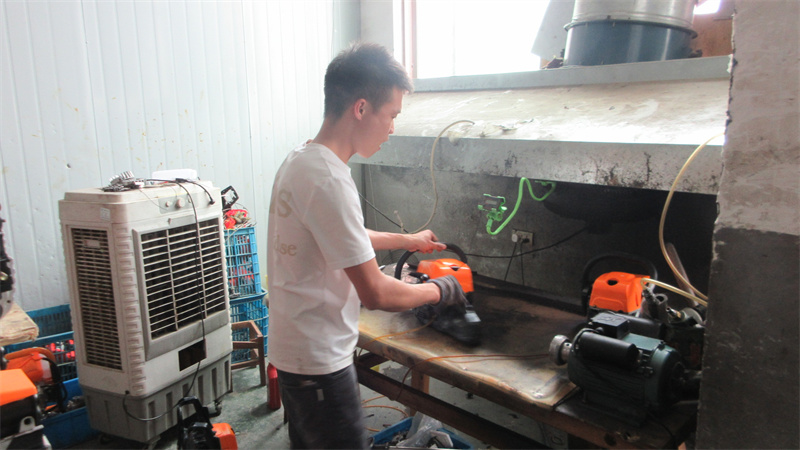
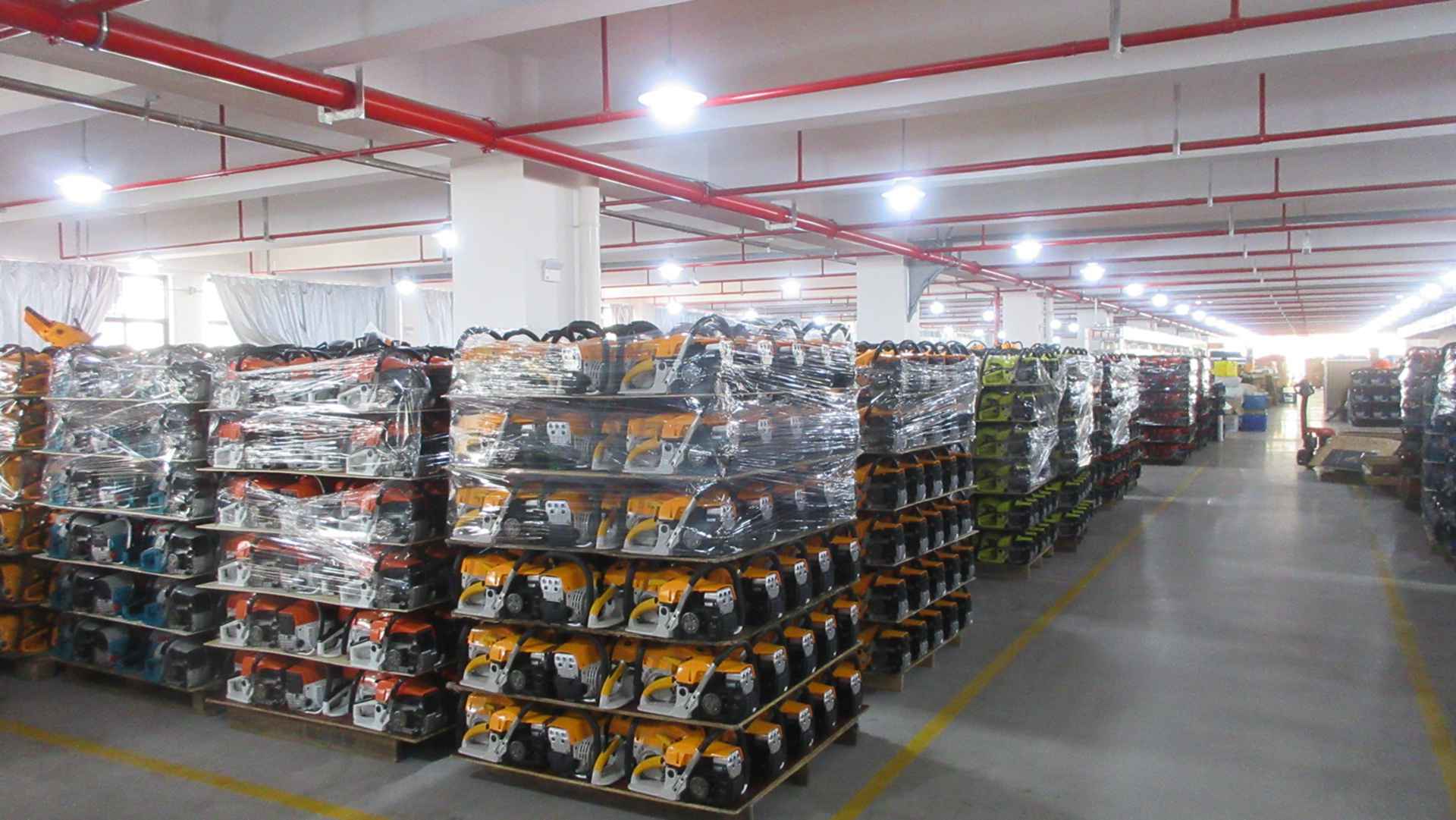
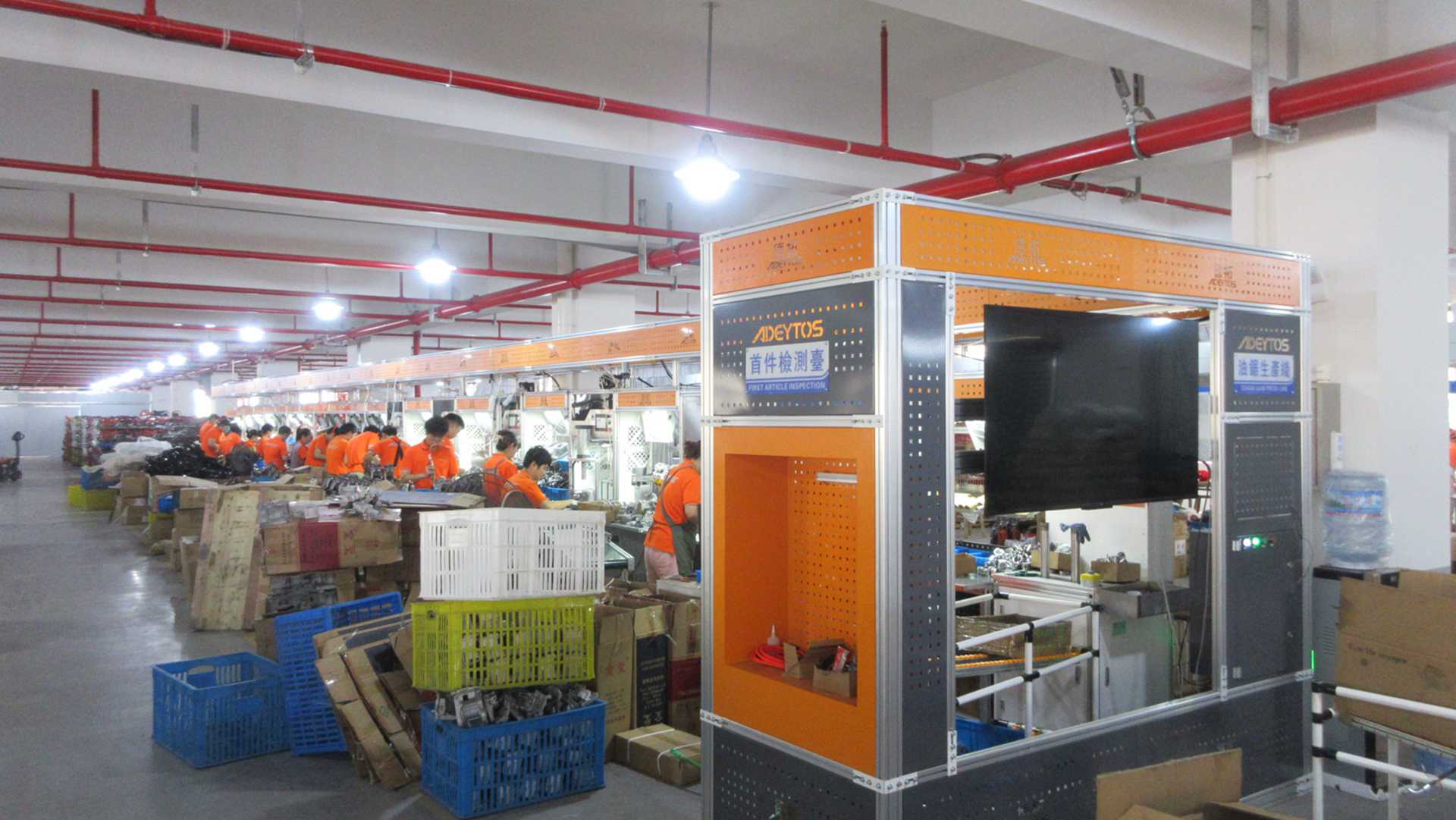
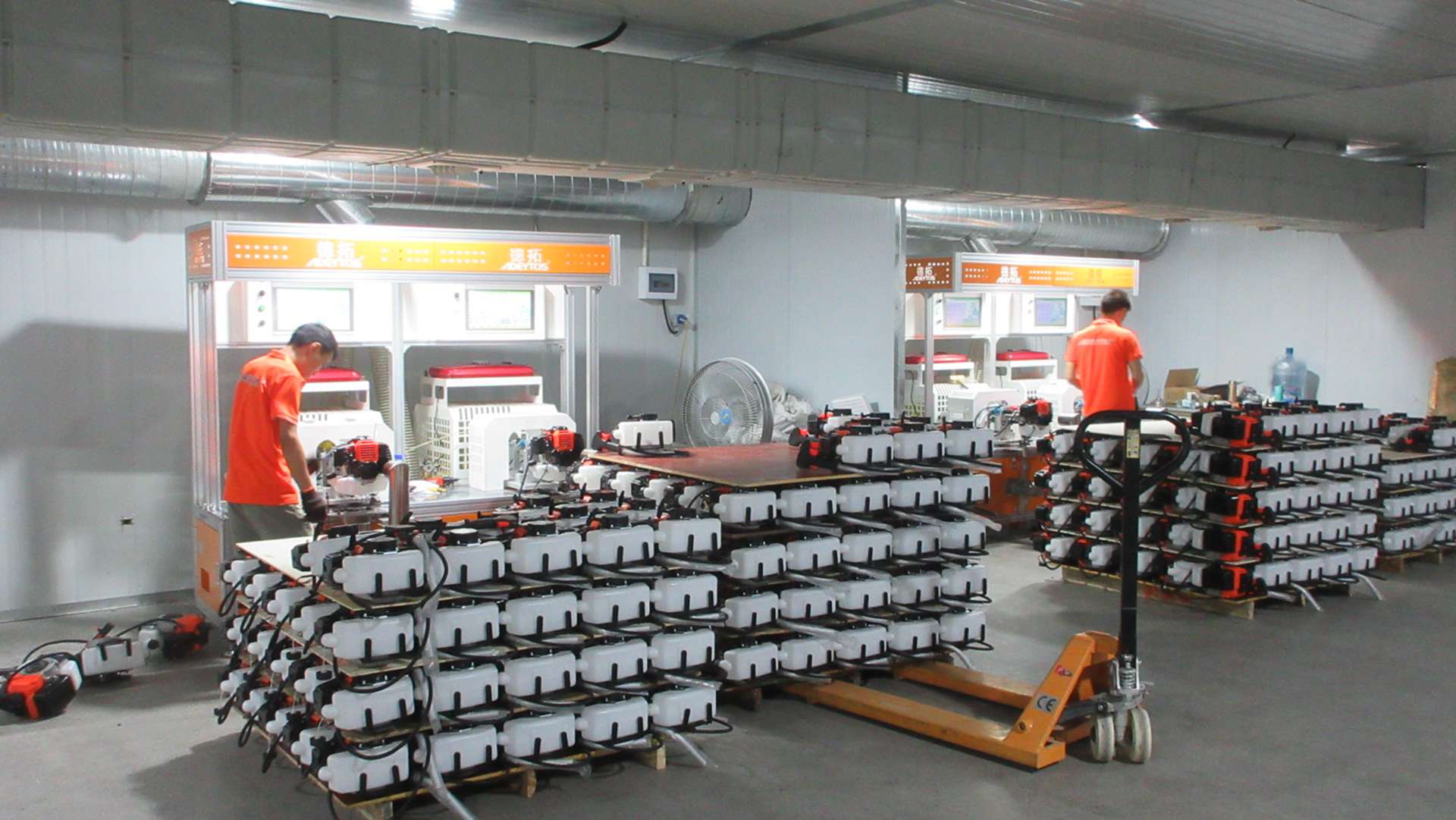
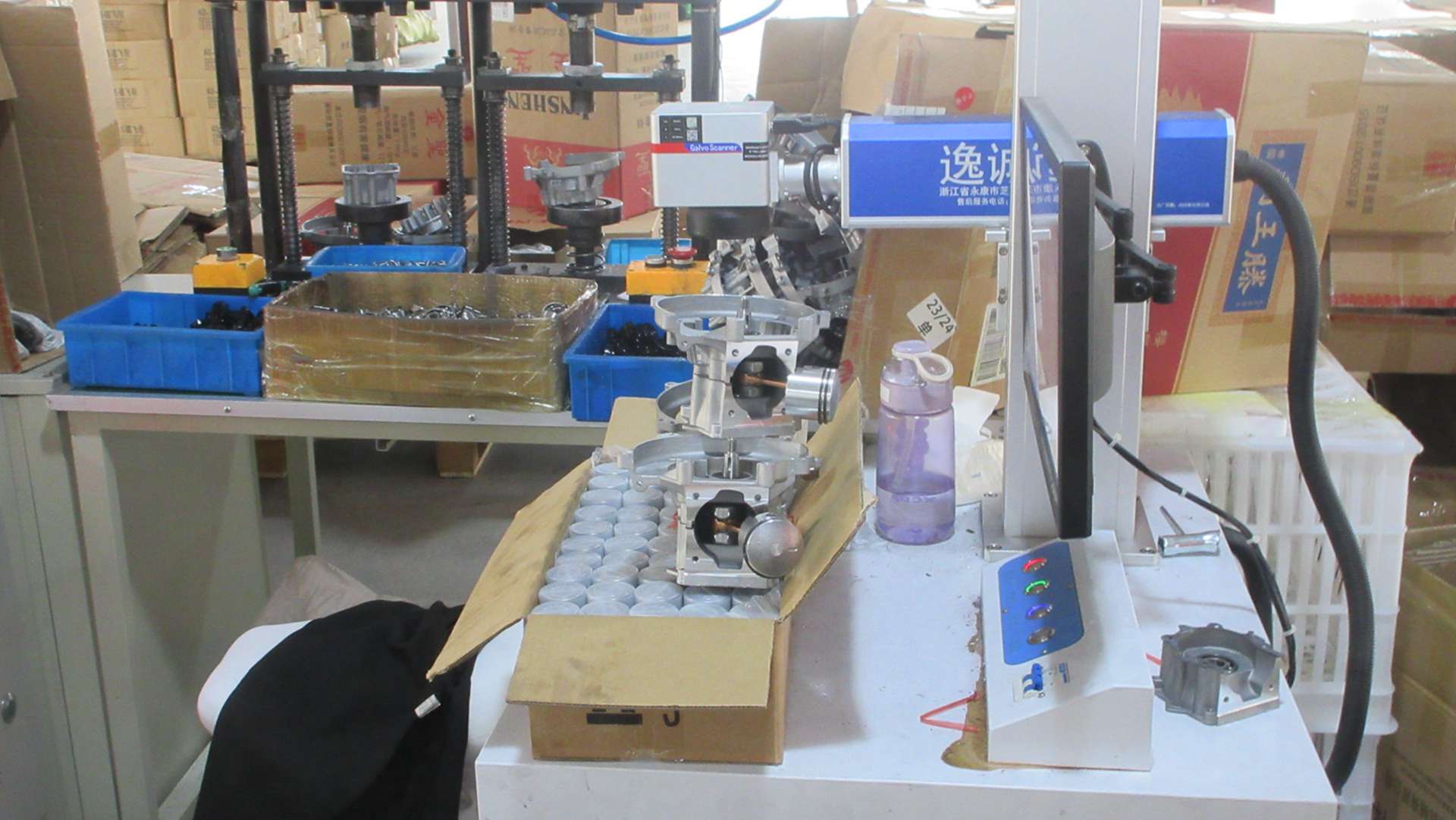
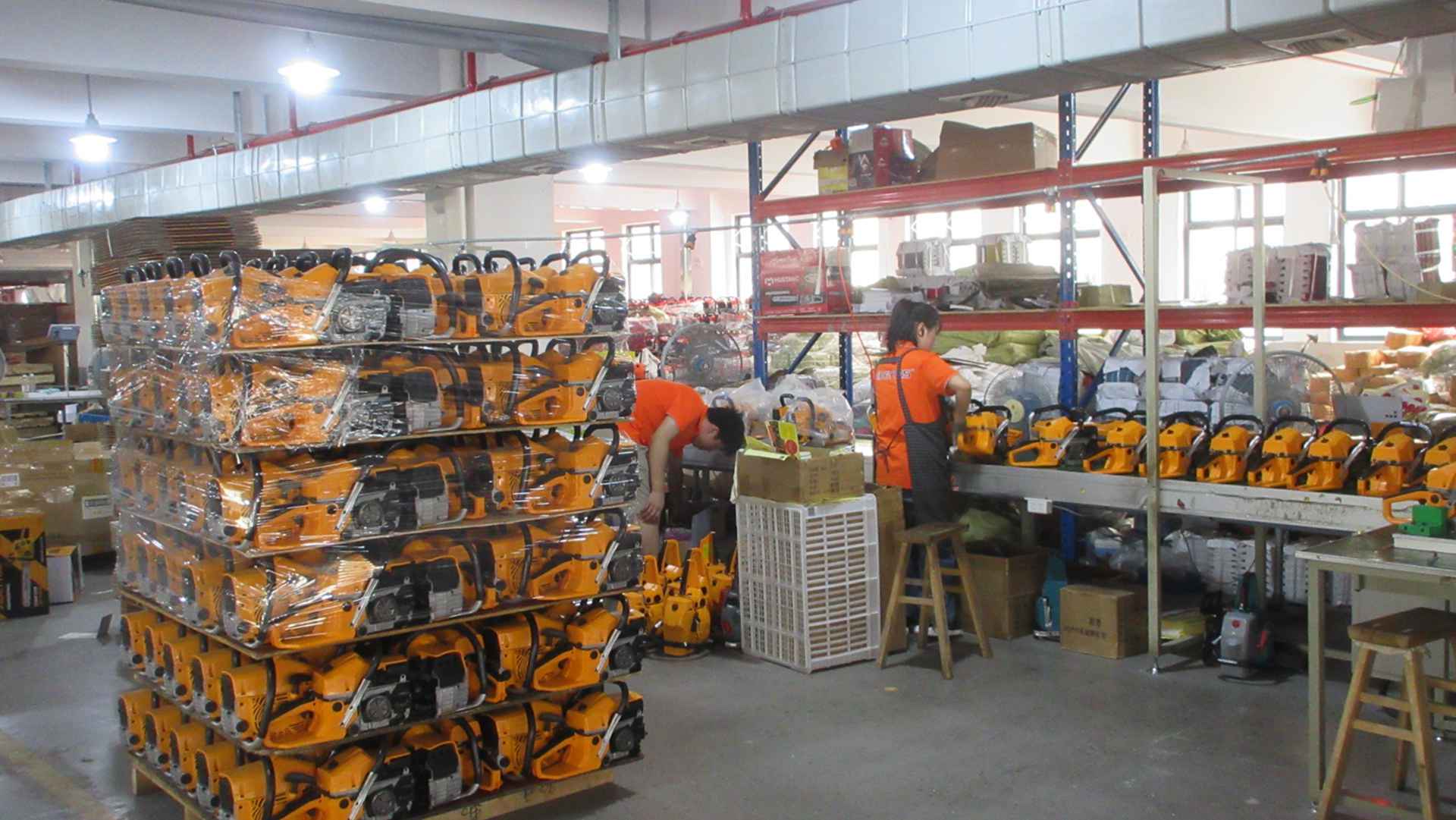
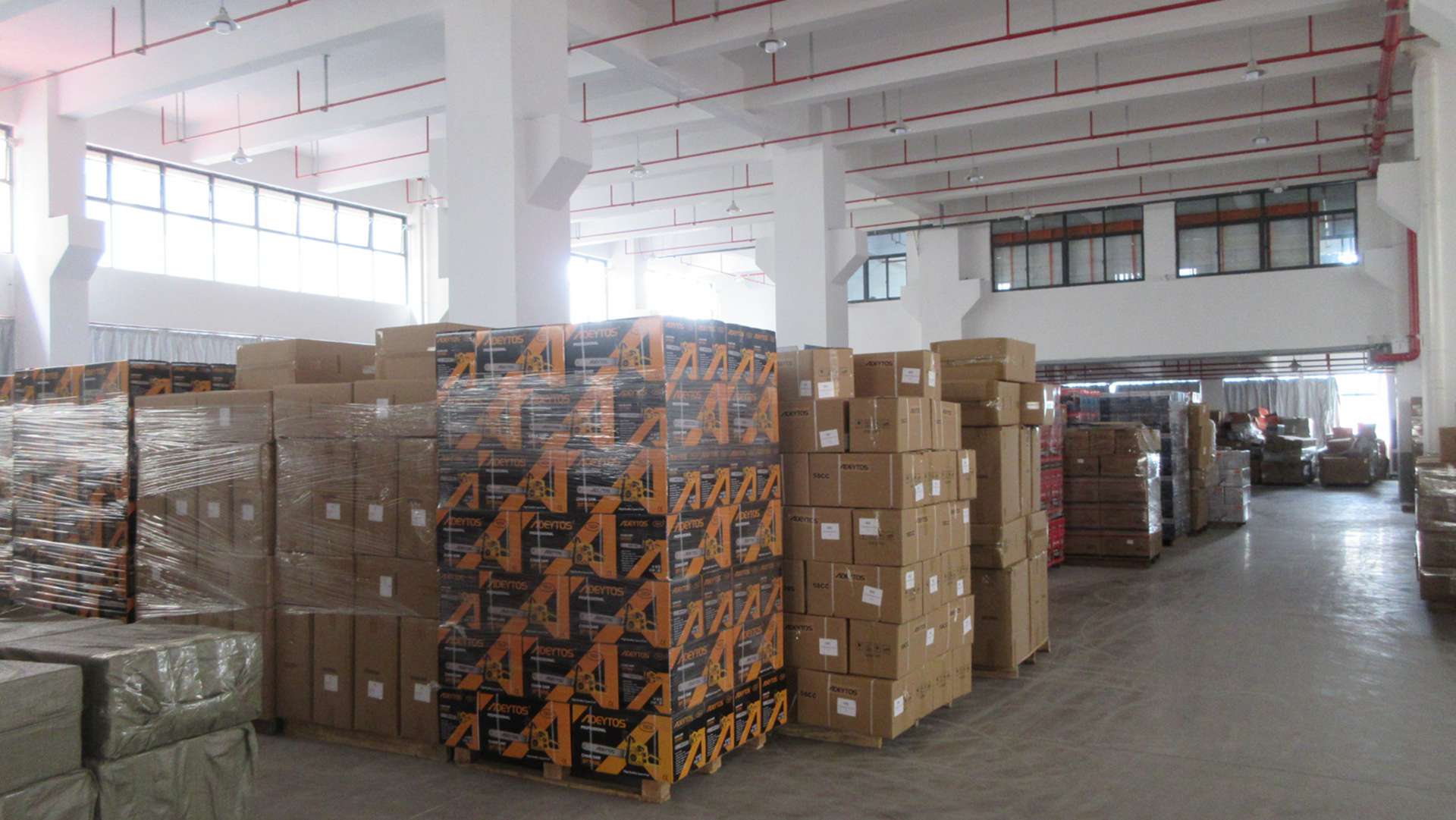
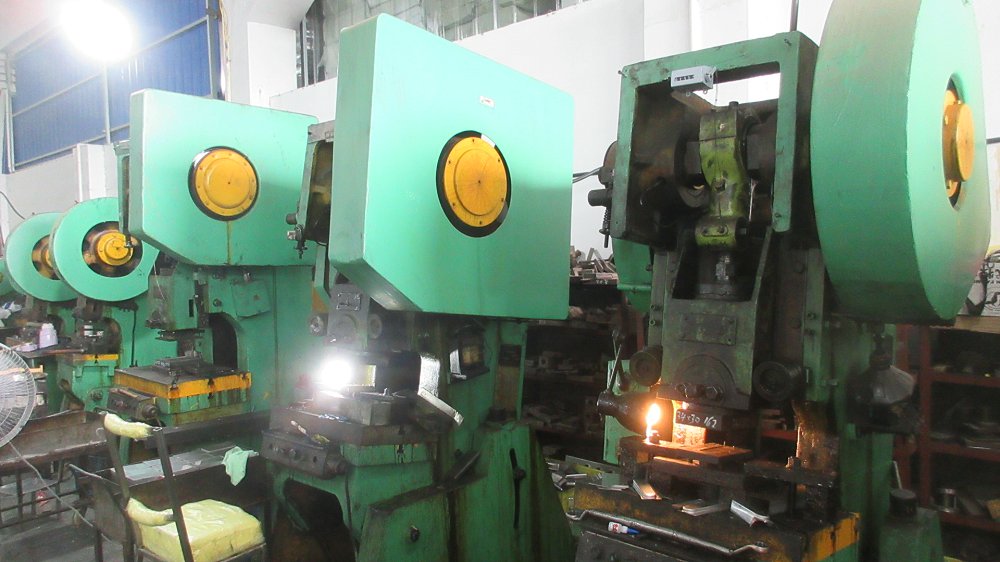
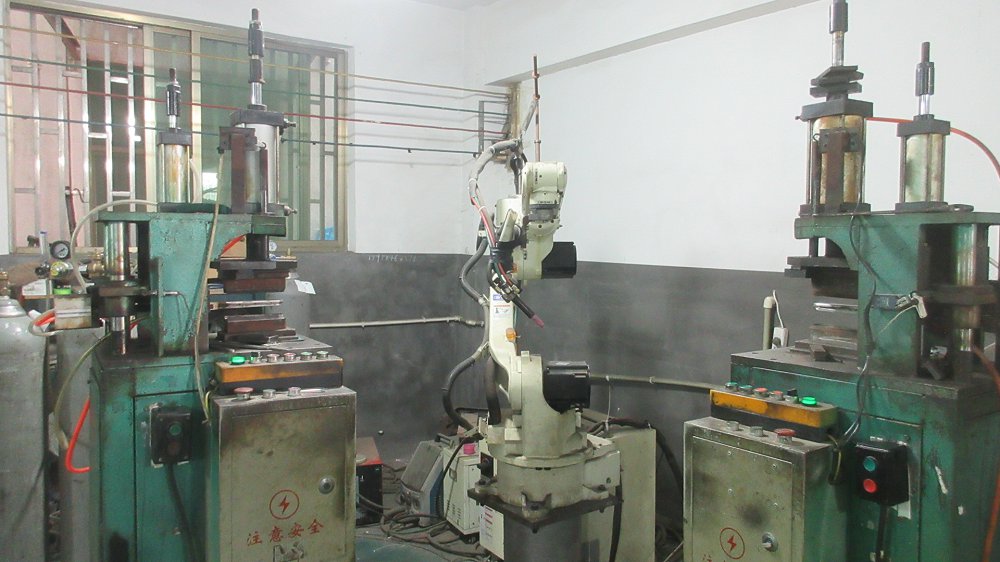
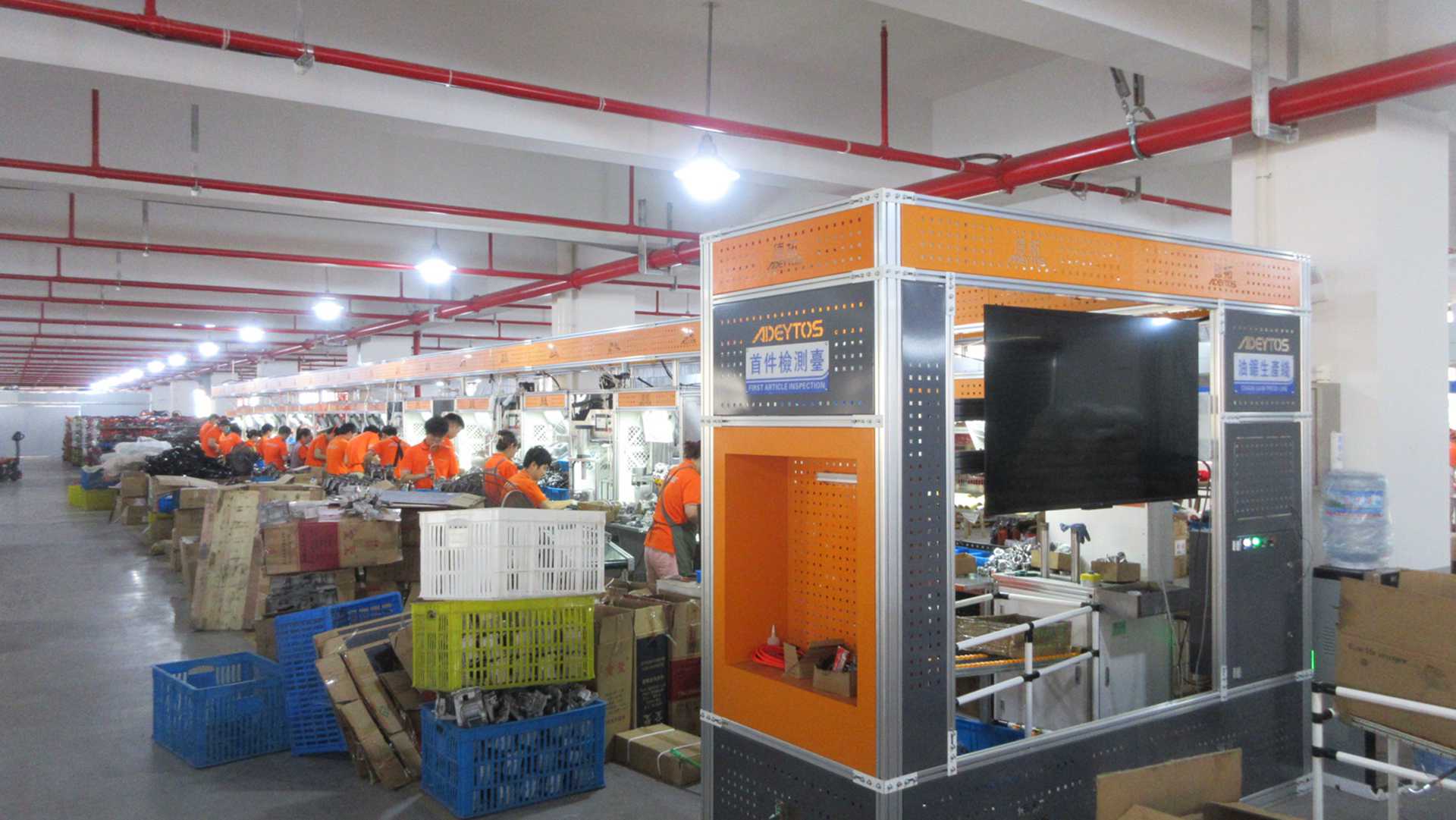
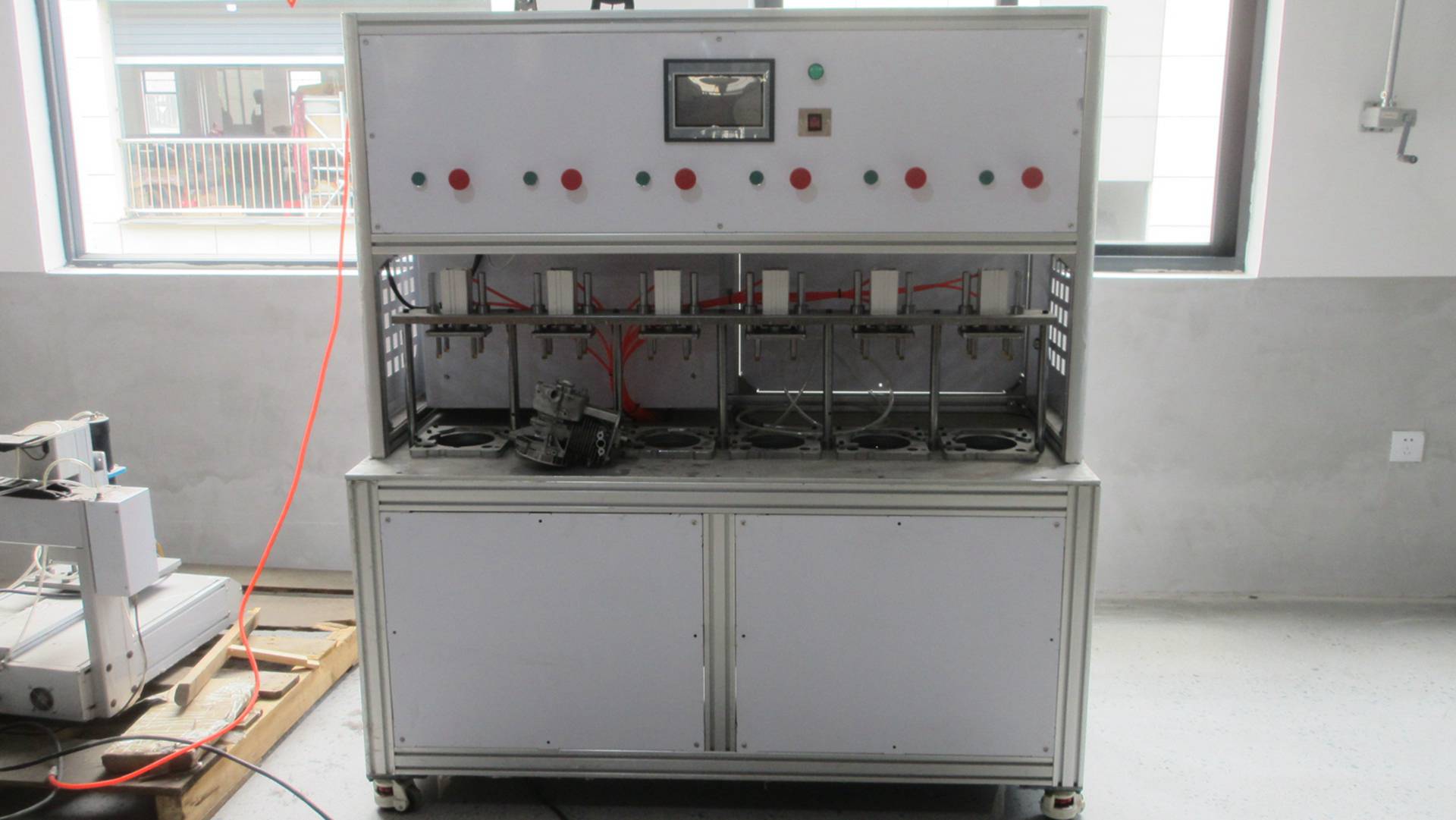
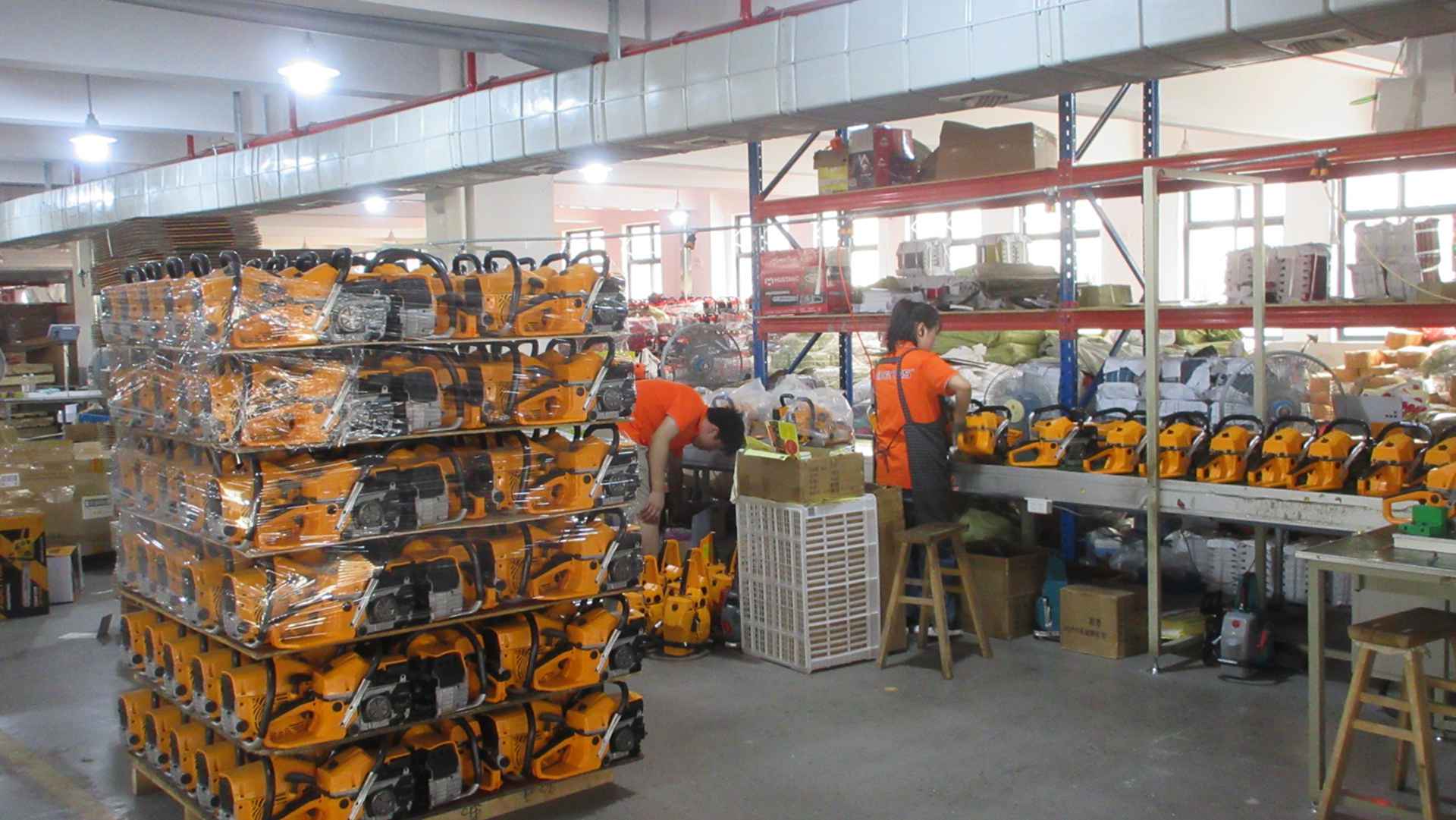
The manufacturing capabilities of Zhejiang Moxie Garden Co., Ltd. are defined by an integrated production flow. The factory houses advanced engineering machinery that supports metal processing, heat treatment, surface coating, and automated assembly. This layout allows the factory to maintain strict quality standards while offering competitive pricing and flexible lead times.
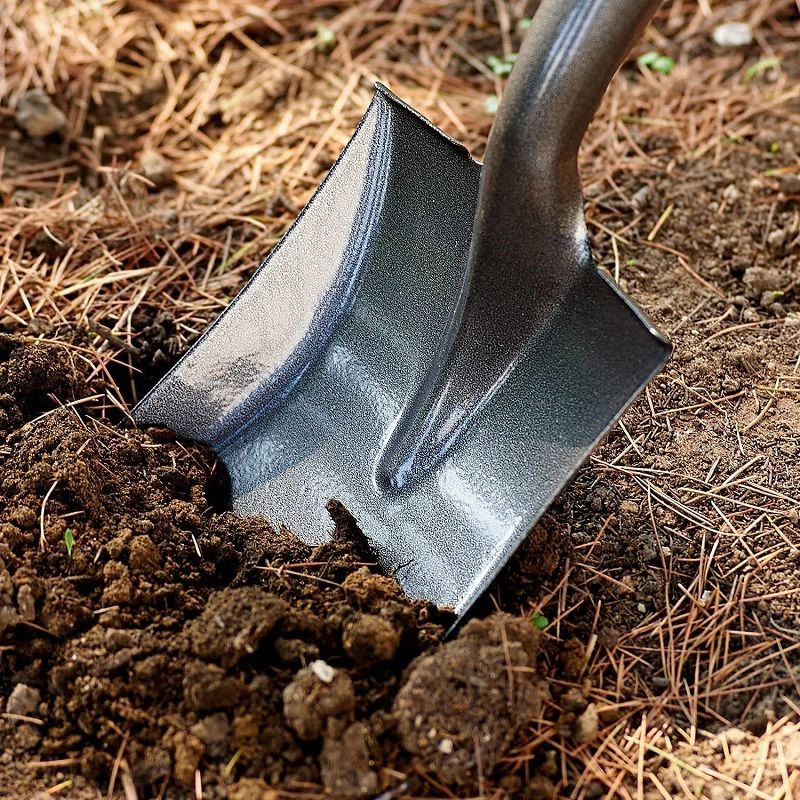
Equipped with 4 advanced forging machines and 4 heavy-duty stamping stations, the factory forms high-yield manganese and carbon steel into robust tool heads capable of penetrating compacted and rocky soils.
Featuring 4 welding stations and 2 automated coating lines, Moxie Garden applies high-durability surface finishes, preventing rust and reducing friction during long-term soil cultivation.
Utilizing 6 precision polishing machines, 3 assembly lines, and rigorous quality inspection protocols, every item undergoes strict checks before preparation for dispatch.
B2B procurement professionals representing commercial agricultural suppliers and consumer landscaping brands operate in a high-stakes environment where supply chain interruptions directly affect seasonal profitability. Sourcing bulk mulching implements requires navigating specific commercial concerns:
The development of next-generation mulching and cultivation equipment is driven by advancements in material science and engineering. Leading manufacturers are investing in several key technological areas:
Utilizing high-end induction heat treatments and carbonitriding processes to refine the grain structure of manganese steels, ensuring tool blades maintain clean cutting edges during prolonged use.
Developing tool handles using multi-material injection molding. Combining rigid glass-filled nylon substrates with elastomeric overlays reduces user hand strain and repetitive motion injuries.
For walk-behind tillers and cultivators, research focuses on high-efficiency brushless DC motors and lightweight lithium-iron-phosphate (LFP) battery systems, reducing emissions and operational noise.
Modern commercial agricultural enterprises must align procurement decisions with global climate goals. The selection of land preparation tools plays an indirect role in supporting soil health and reducing carbon footprints:
Importing horticultural tools into regulated markets requires verified adherence to global quality frameworks. When vetting factories, procurement directors should require the following certifications:
Verifies the implementation of systematic quality management systems across all stages, from product design to raw material sourcing and final assembly inspection.
Confirms compliance with labor regulations, safe working environments, and fair compensation policies, protecting brand reputation from supply chain risks.
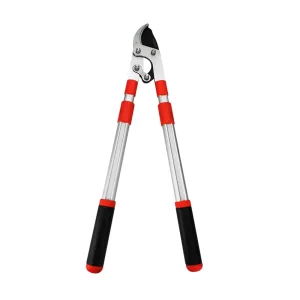
Indicates compliance with safety standards in Europe, particularly for mechanical weeding tools, walk-behind tillers, and high-leverage loppers.
For commercial applications, high-grade 50Mn or 65Mn manganese steel and hardened carbon steels are preferred. Stainless steel (such as 304 or 420 grades) is commonly used for hand trowels and hand weeding tools due to its resistance to rust and damp conditions, though manganese steel remains the standard for heavy-impact agricultural tools like hoes and cultivators.
Moxie Garden offers a structured OEM/ODM framework. Clients can provide 2D/3D CAD models, or request customization of existing tools. The factory manages mold creation, structural prototyping, and strength verification. Custom options cover handle materials (e.g., ashwood, PP, fiberglass), surface coatings (powder coating, electroplating), and custom packaging for retail environments.
Standard MOQs depend on the product category. Handheld tool sets and accessories typically have an MOQ starting at 1,000 units, while larger items like mechanical tillers or custom-forged tools require higher runs. Production lead times generally average 30 to 45 days from deposit confirmation, depending on design complexity and current order volumes.
Zhejiang Moxie Garden implements quality inspection processes at key stages of production. This includes spectroscopic analysis of incoming steel alloys, hardness testing (HRC scale) of forged components, weld strength evaluations, and salt-spray testing to verify the corrosion resistance of powder coatings.
 Moxie Garden