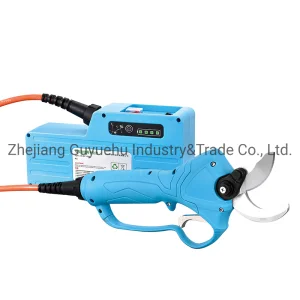
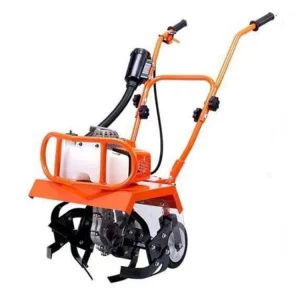
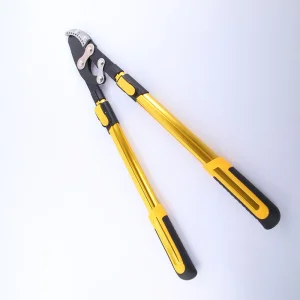
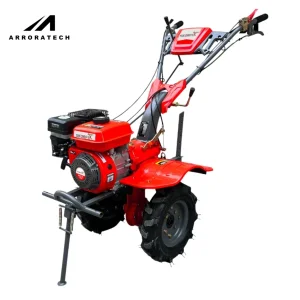
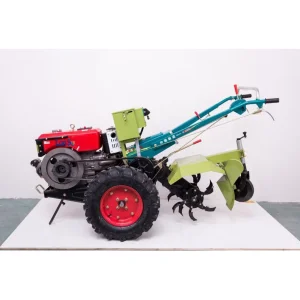
Explore our selection of commercial-grade agricultural equipment, power tillers, and ergonomic tools optimized for nurseries, outdoor farming, and large-scale industrial propagation.
The global horticulture industry has transitioned from manual, small-scale propagation techniques to highly automated, precision-engineered seedling management systems. At the heart of this transition is the humble seed tray (also known as a plug tray, cell insert, or seedling flat). Today, the production and export of seed trays represent a multi-billion dollar industrial sector, driven by the surging global demand for food security, reforestation, floriculture, and vertical farming technologies.
Industrial nurseries across North America, Europe, and Asia-Pacific rely heavily on standardized seed trays to maximize output per square meter. In high-efficiency greenhouse setups, automated vacuum seeders deposit single seeds directly into individual cells of plug trays. Standardized external dimensions allow these trays to glide effortlessly along conveyors, through germination chambers, and directly into automatic transplanting machinery. Therefore, structural uniformity, thickness, dimensional tolerance, and material integrity are critical parameters evaluated by commercial growers globally.
Modern seed trays are engineered to work with varying substrate formulas, including peat moss, coco coir, vermiculite, and rockwool plugs, maintaining balanced moisture-to-air ratios.
Internal root ribs, vertical ventilation channels, and open-bottom drain holes prevent root circling (binding), prompting healthy air-pruning.
Designed with optimal stacking shoulders to prevent nested trays from locking together, reducing warehouse storage space and container freight costs during export.
When sourcing seed trays globally, commercial operators must understand the technological shifts shaping modern manufacturing. The market is transitioning from simple disposable plastics to heavy-duty, multi-season reusable trays, and environmentally friendly compostable formulations.
Historically, Polystyrene (PS) has dominated the market due to its stiffness and ease of thermoforming. However, Polystyrene can release toxic chemicals upon degradation and is highly brittle under heavy ultraviolet (UV) exposure. Polypropylene (PP), while slightly more challenging to shape, offers superior elasticity, heat tolerance, and exceptional longevity, making it the choice material for heavy-duty, reusable propagation systems.
In recent years, the market has seen a rapid uptake of PET (Polyethylene Terephthalate), often sourced from post-consumer recycled plastic bottles, which provides highly transparent dome covers for humidity retention. For organic farms and eco-conscious landscape sectors, factories now offer biodegradable fibers, molded pulp, and PLA-based compostable seed trays that can be planted directly into the field, completely eliminating plastic waste.
The manufacturing roadmap for seed tray factories involves the implementation of high-cavitation injection molding systems and inline extrusion-thermoforming setups. Injection molding allows factories to produce incredibly thick-walled trays (1.0mm to 2.5mm thickness) featuring intricate geometries, such as micro-perforated aeration side walls.
Furthermore, factories are integrating anti-pathogenic additives directly into the polymer blend. These compounds inhibit the colonization of root-rot fungi like Pythium and Phytophthora, making sterilization between planting cycles easier and reducing the dependency on chemical fungicides.
Zhejiang Moxie Garden Co., Ltd. was founded in 2013 and specializes in the production and trade of a wide range of garden tools, children’s garden tools, bonsai tool sets, and other gardening products. Based in Zhejiang Province, a hub for garden technology, we have become a leading supplier in the international market.
In 2022, we successfully collaborated with customers from 32 countries and regions worldwide, including major retailers, e-commerce platforms, and traditional distributors. We achieved a total revenue of over 5 million USD, highlighting our continuous growth and strong market position.
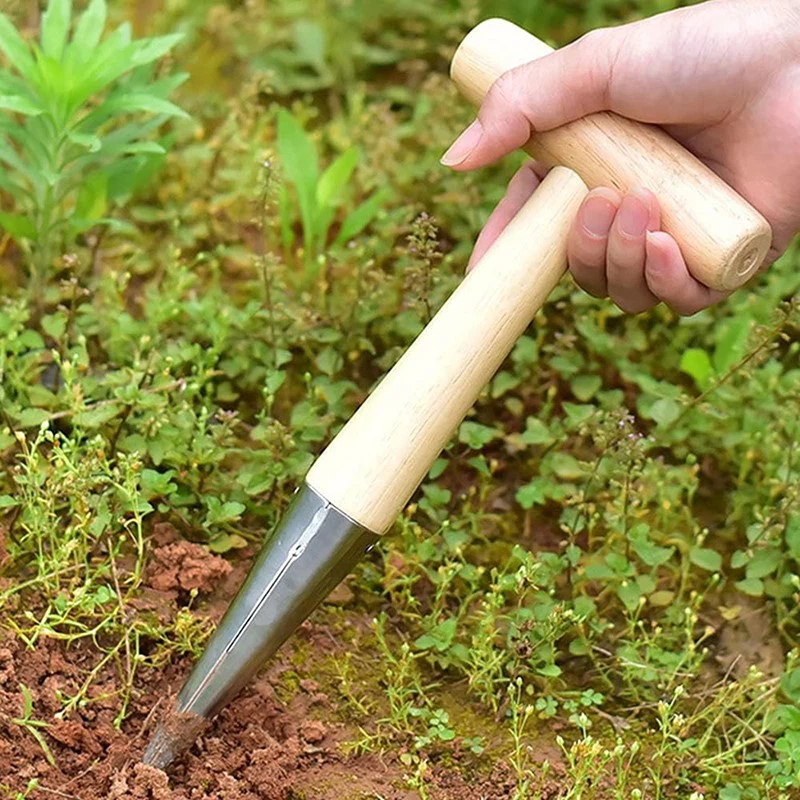
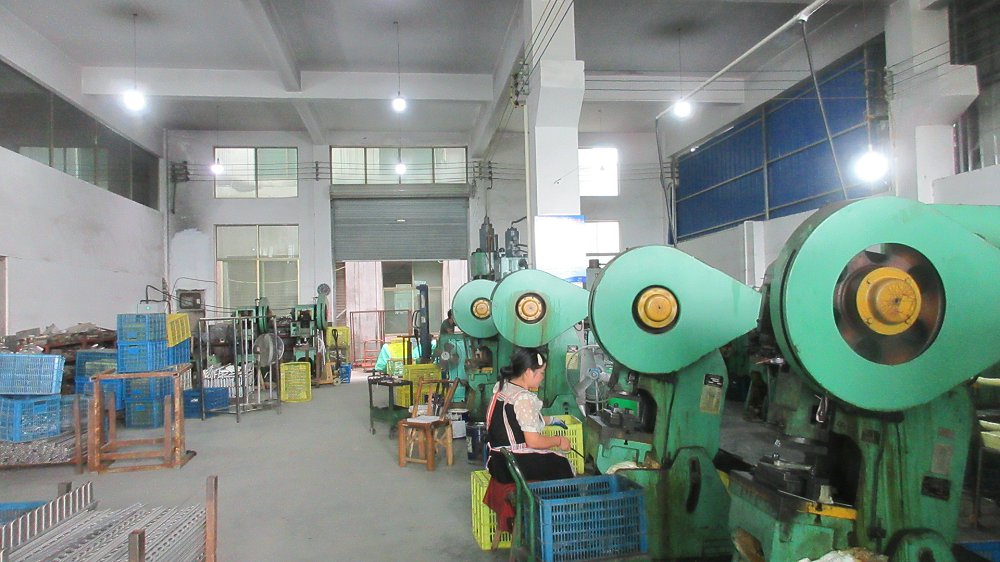
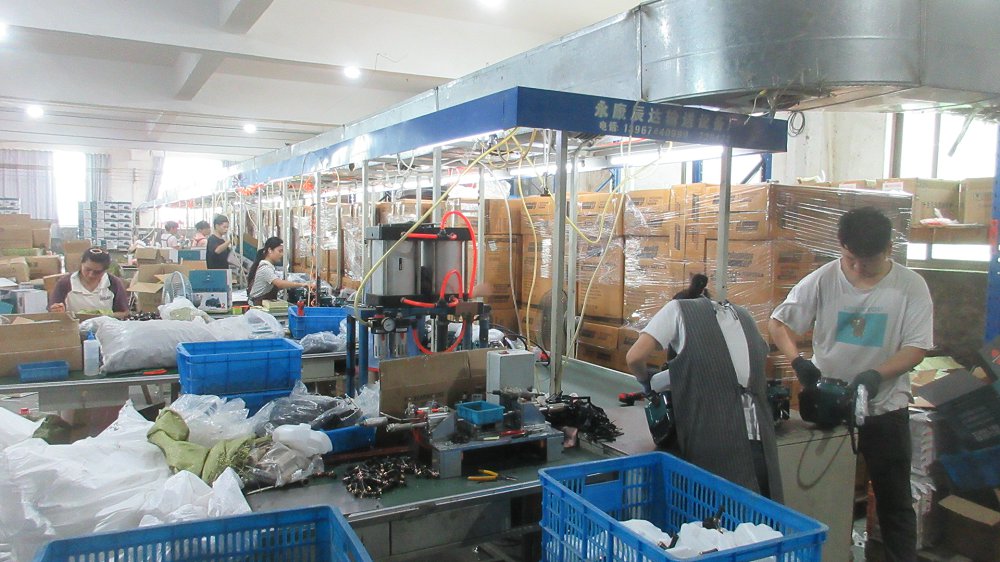
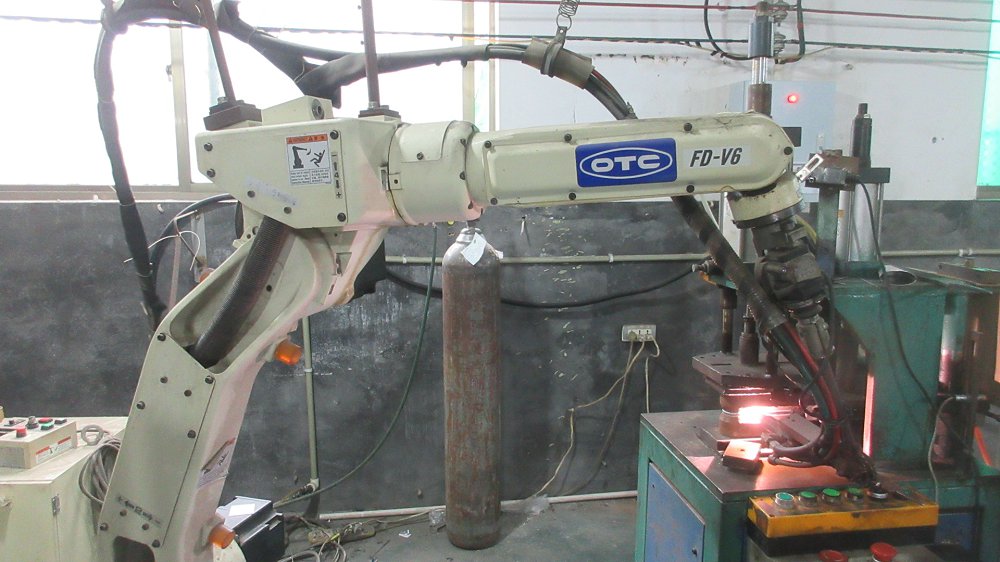
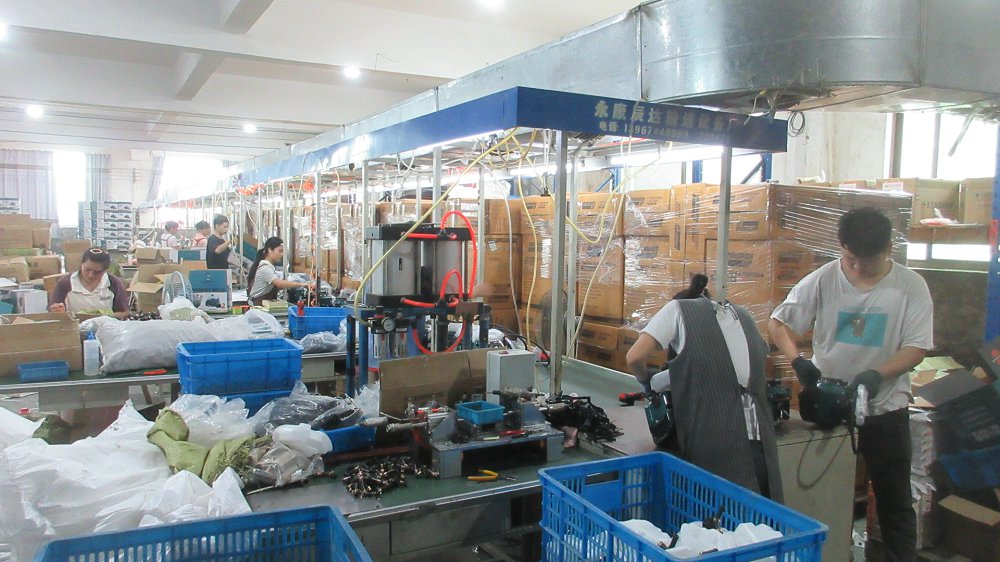
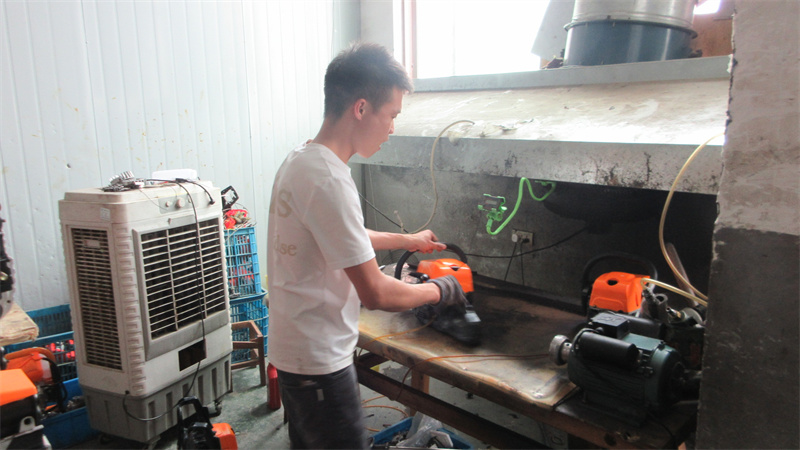
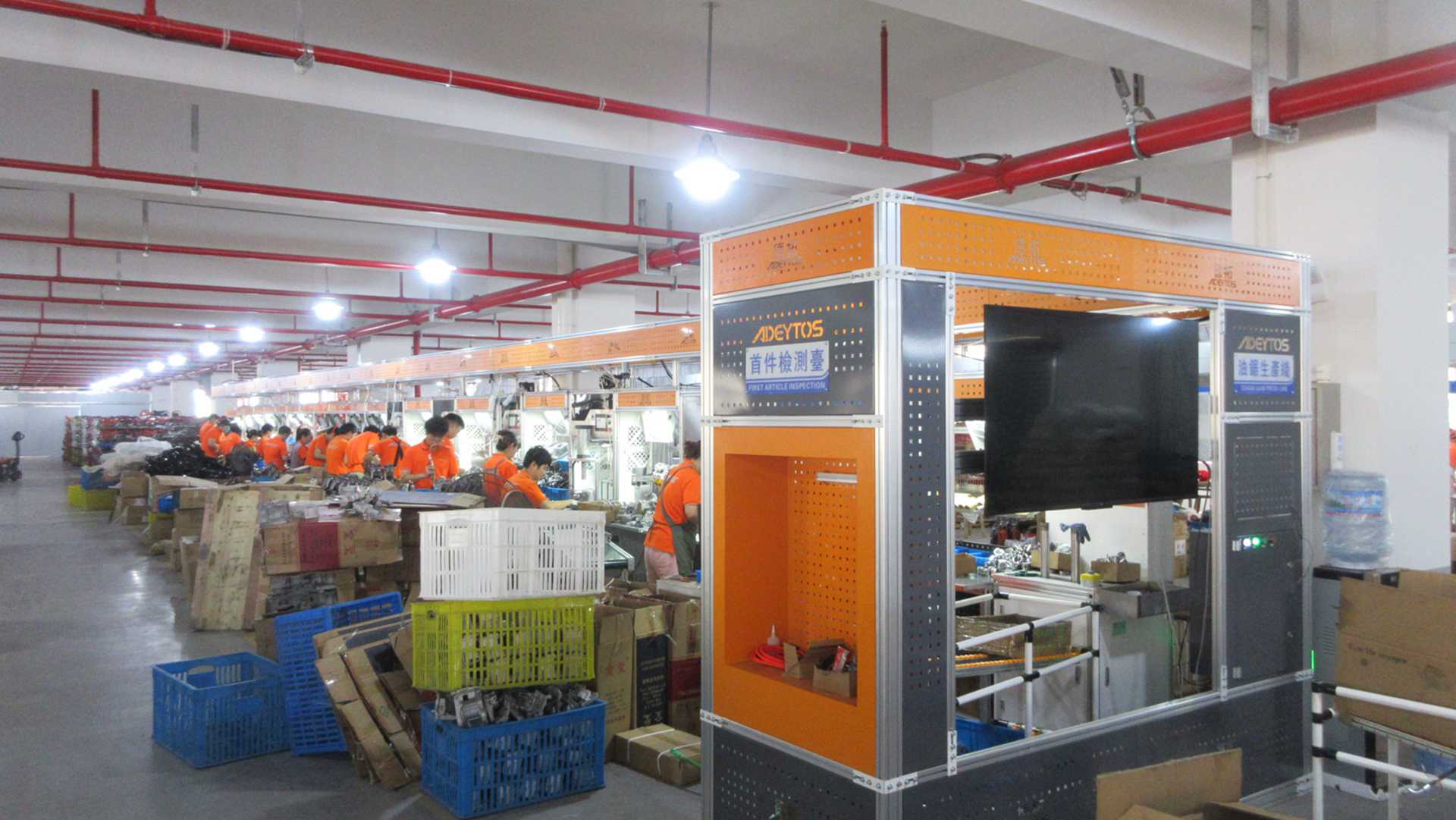
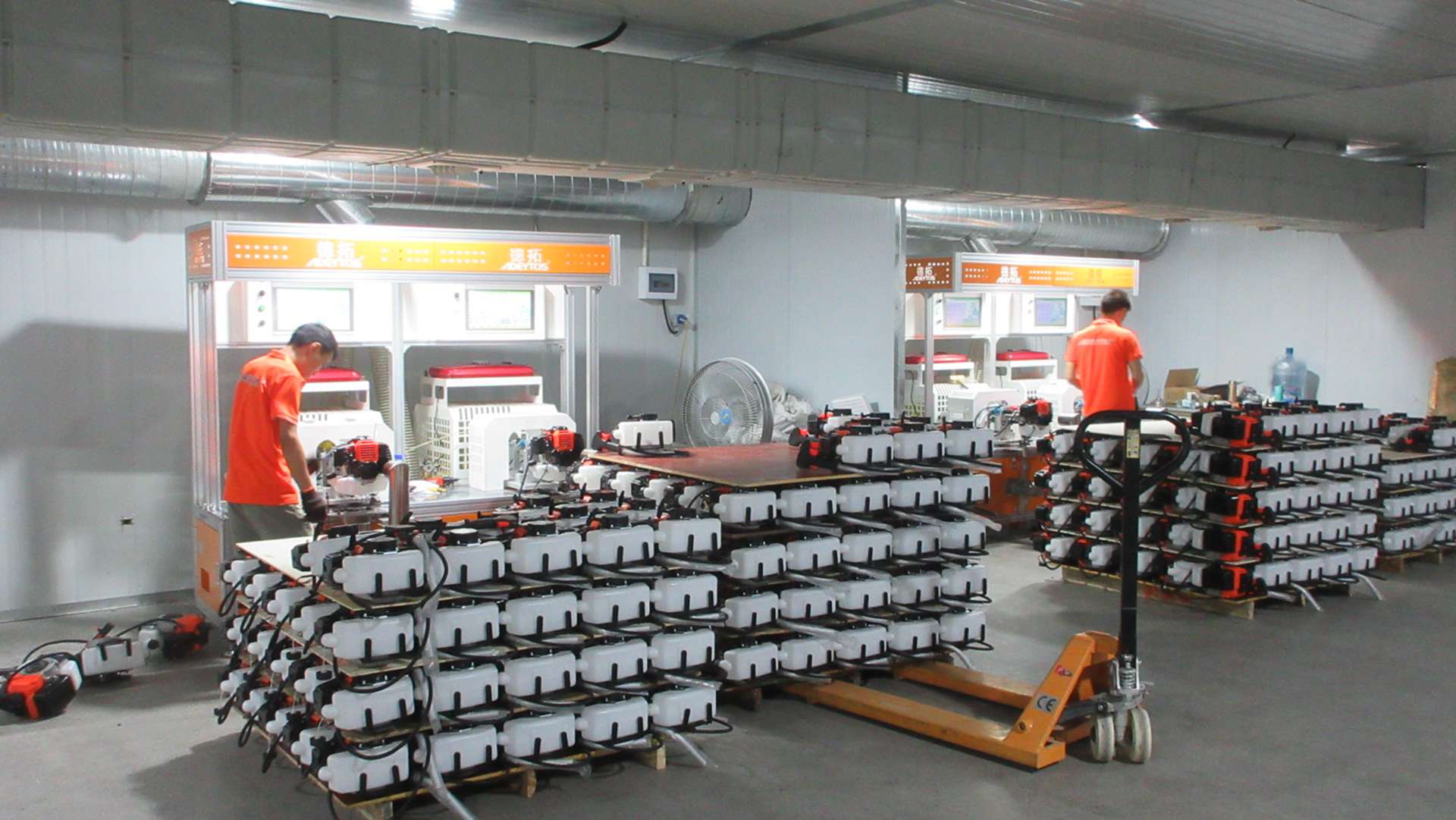
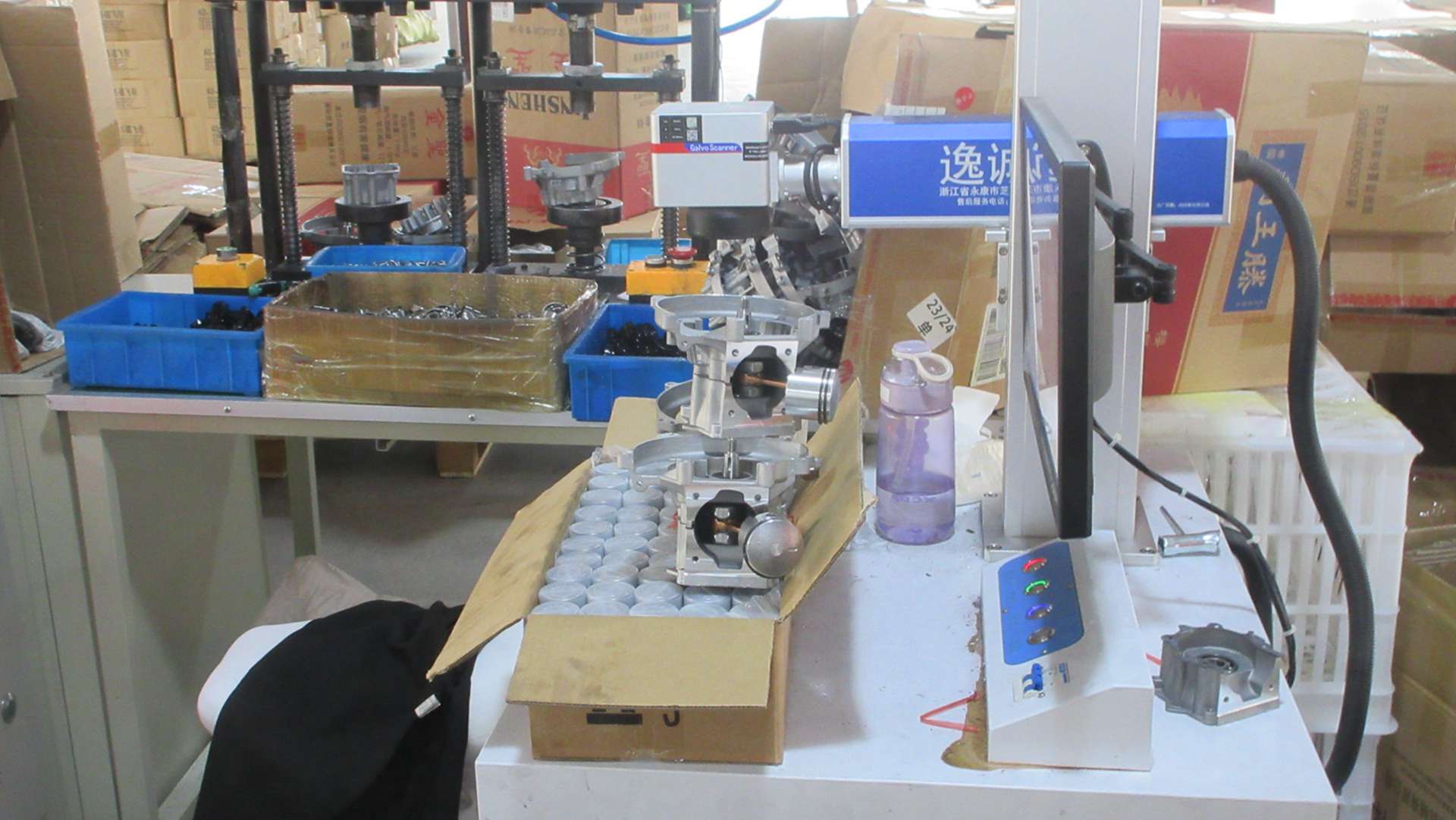
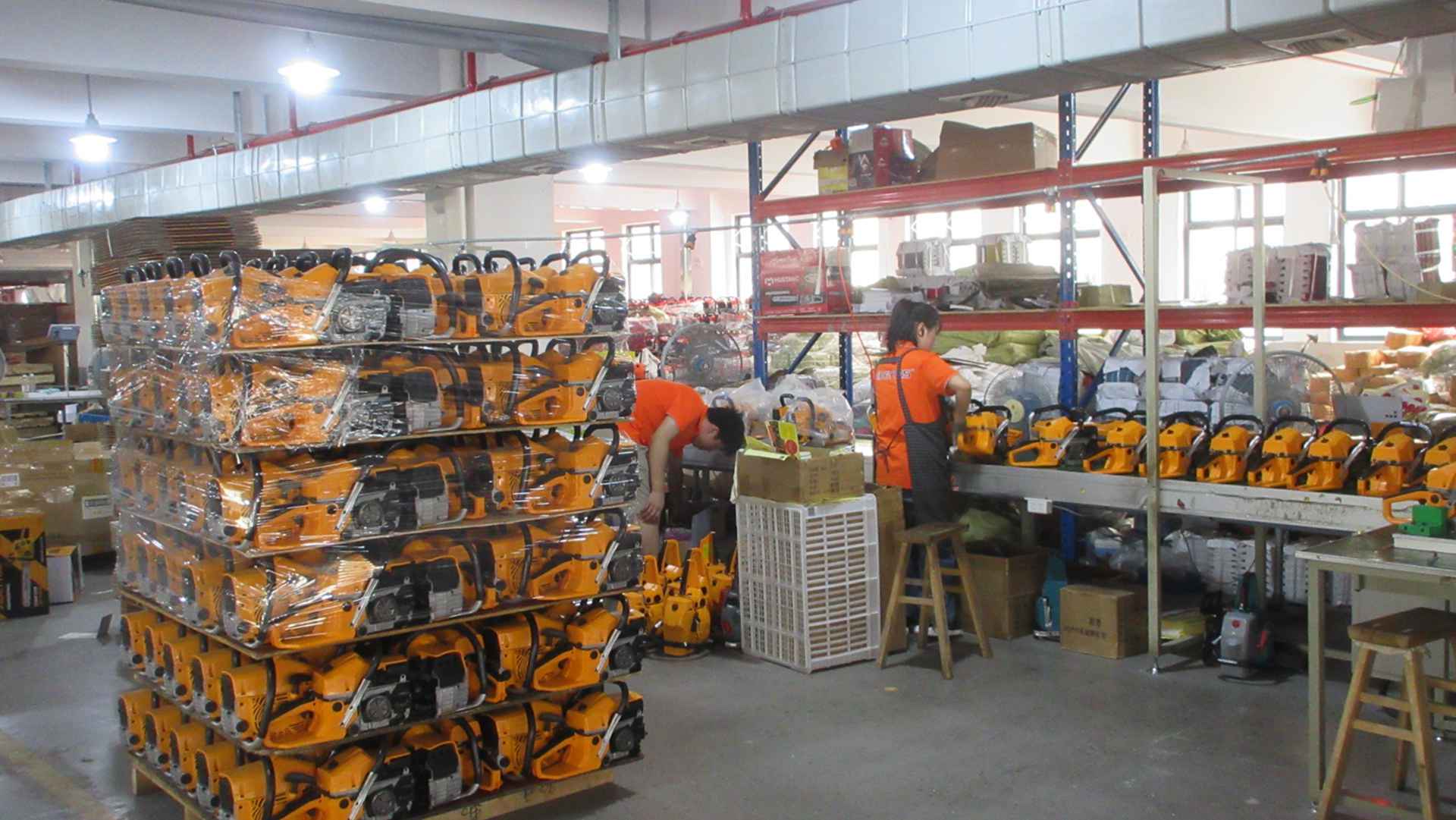
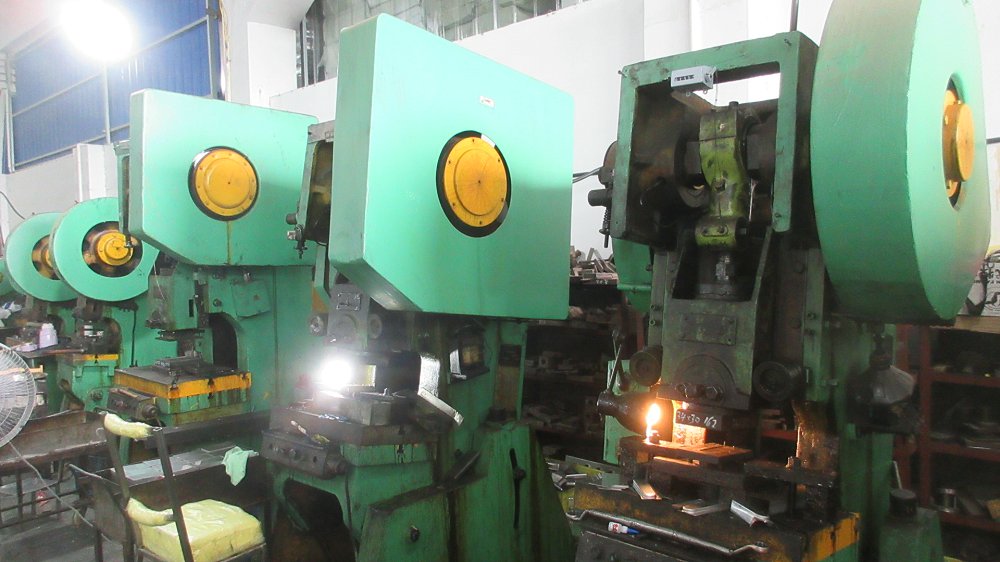
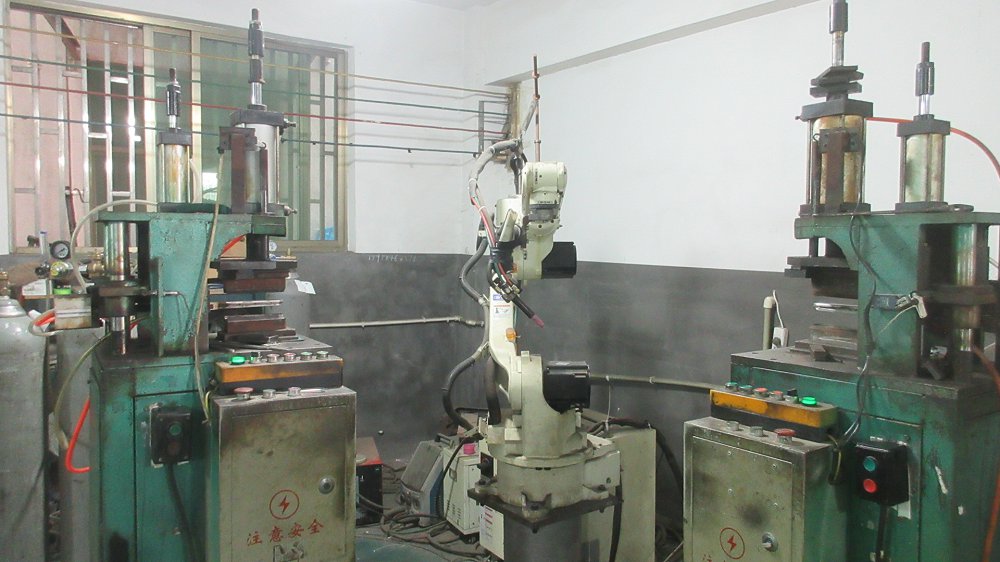
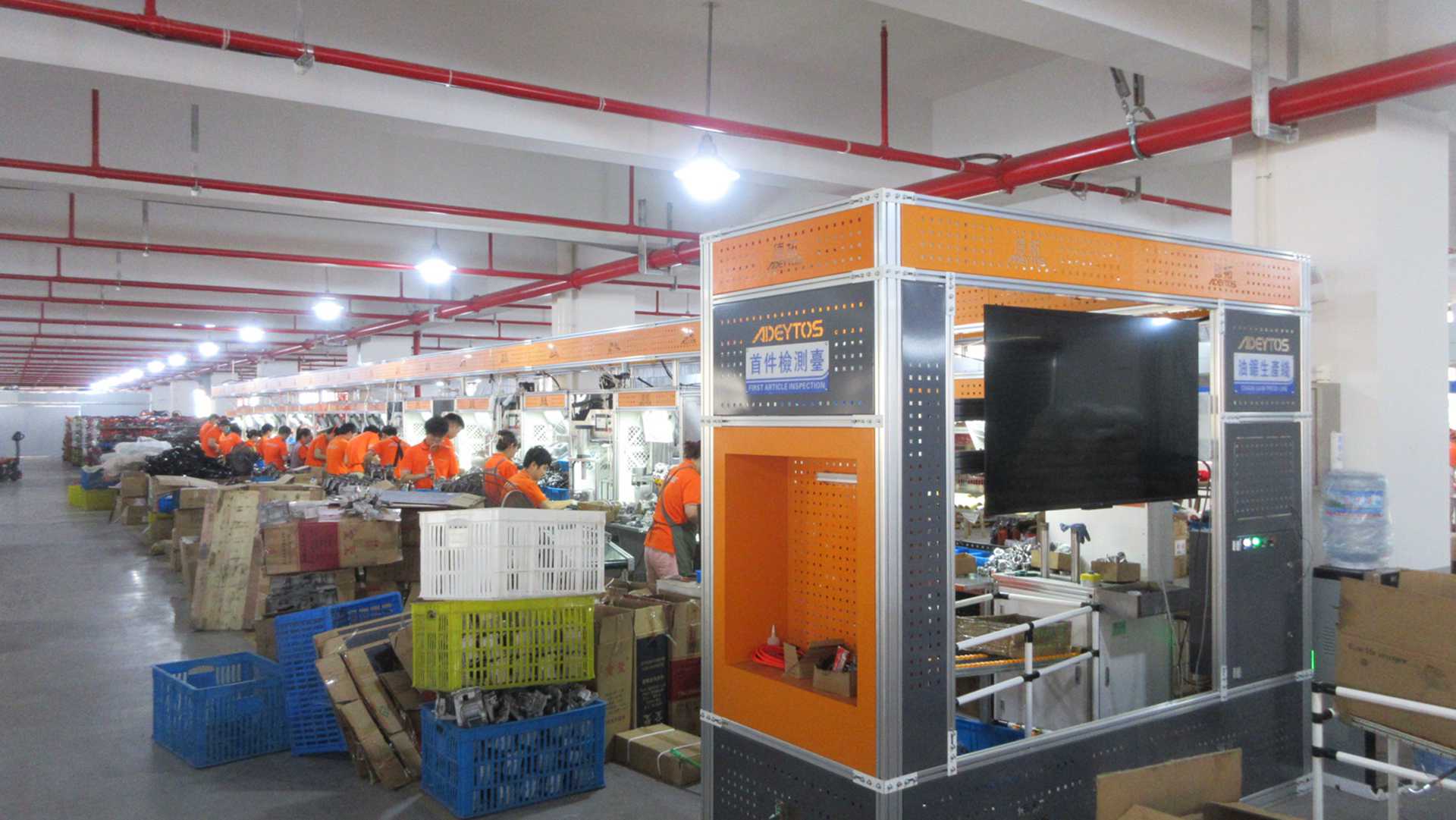
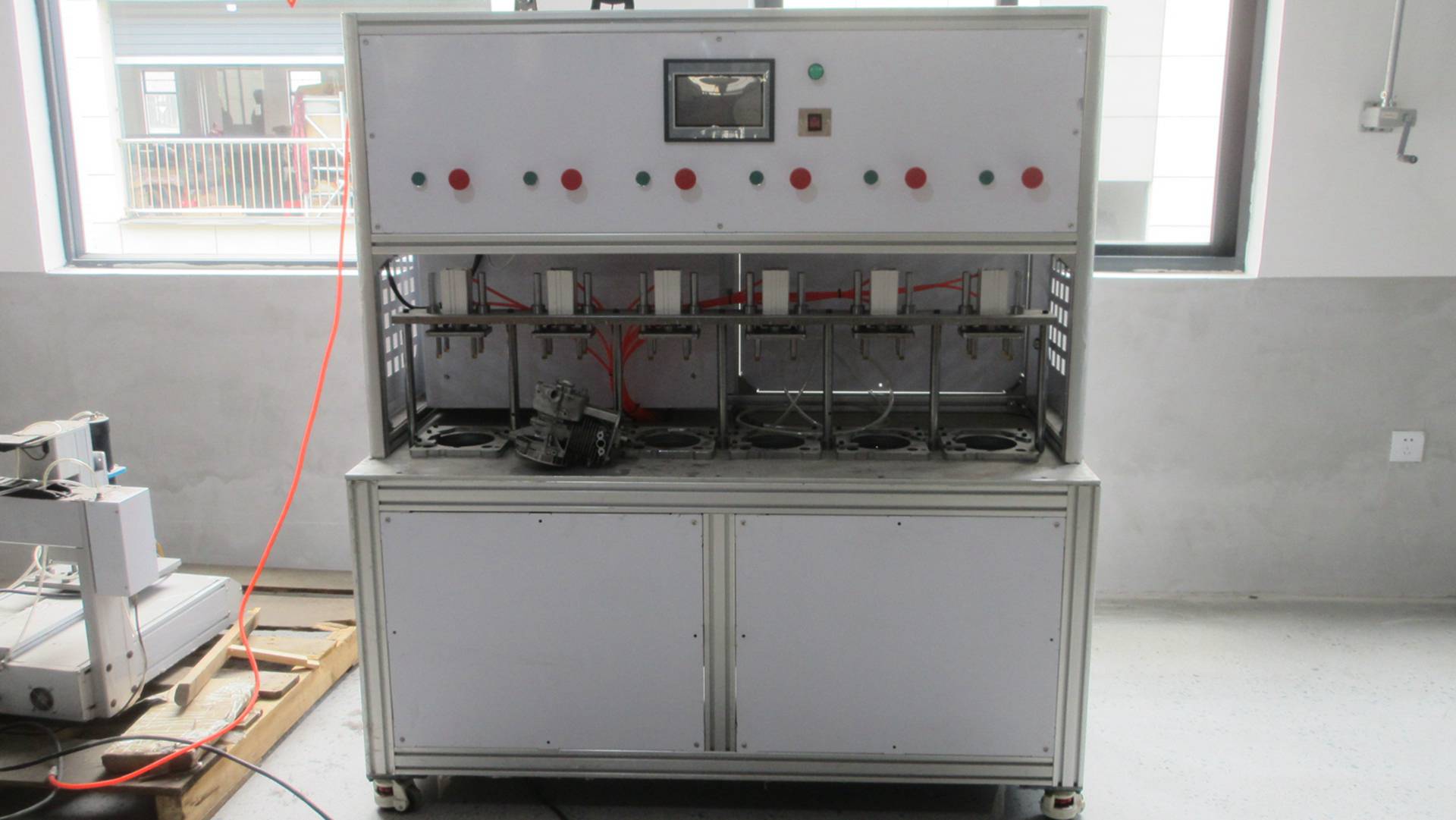
Our manufacturing facilities include a complete production line, ranging from mold casting and stamping to injection molding, welding, coating, polishing, assembly, and quality testing. This integrated process ensures outstanding product quality, which is thoroughly inspected before shipment to customers.
Our production capabilities are supported by state-of-the-art machinery that allows us to deliver high-quality products in large quantities with great flexibility in design and customization:
For precise structural shaping and high strength
For high-speed, efficient component processing
Ensuring strong material bonding and integrity
For durable surface treatments and corrosion resistance
For a flawless finish and aesthetic appeal
For streamlined assembly of complex multi-part tools
A major factor in seed tray performance is how they adapt to localized agricultural contexts. A seed tray designed for a dry, climate-controlled Dutch glasshouse will perform differently when exposed to the intense solar radiation of Spanish open-field nurseries or the high humidity of tropical rice seedling farms in Southeast Asia.
In regions like the Mediterranean, Middle East, or California, UV radiation quickly degrades basic plastics, making them brittle within one season. Factories targeting these regions must integrate premium Carbon Black colorants and hindered amine light stabilizers (HALS) to protect the tray's polymer chains, extending the product lifespan to 5-10 years of continuous outdoor use.
In highly automated setups, compatibility with automated seeding and transplanting systems is paramount. The tray's perimeter flanges and under-tray ribs must be perfectly rigid to prevent bending, which would otherwise jam sensor-guided robotic grippers. PP injection-molded plug trays with precise dimensional tolerances (+/-0.2mm) are required.
Forestry nurseries planting deep-root pine, eucalyptus, or oak seedlings require specialized deep-cell trays (often 10cm to 20cm in depth) with pronounced vertical root-directing ribs. These ribs guide the taproots straight downward, preventing girdling and ensuring high survival rates when seedlings are transplanted into wild, compacted forest soils.
Importing large quantities of seed trays from overseas requires a clear logistical strategy. Because seed trays are hollow, volumetric space is the primary cost driver during maritime transit. Sourcing managers must evaluate the Nesting Ratio of seed trays. Trays that stack tightly without locking reduce ocean freight costs by up to 40% compared to poorly designed alternatives.
For wholesale buyers, standard quality control steps should include verifying critical load-bearing capacities when trays are fully loaded with wet soil and carried single-handedly. Checking the wall thickness consistency across the entire tray structure is also vital; thermoformed trays often suffer from "thin corners" where the plastic film was stretched too far during the vacuum molding process, leading to premature cracking under field conditions.
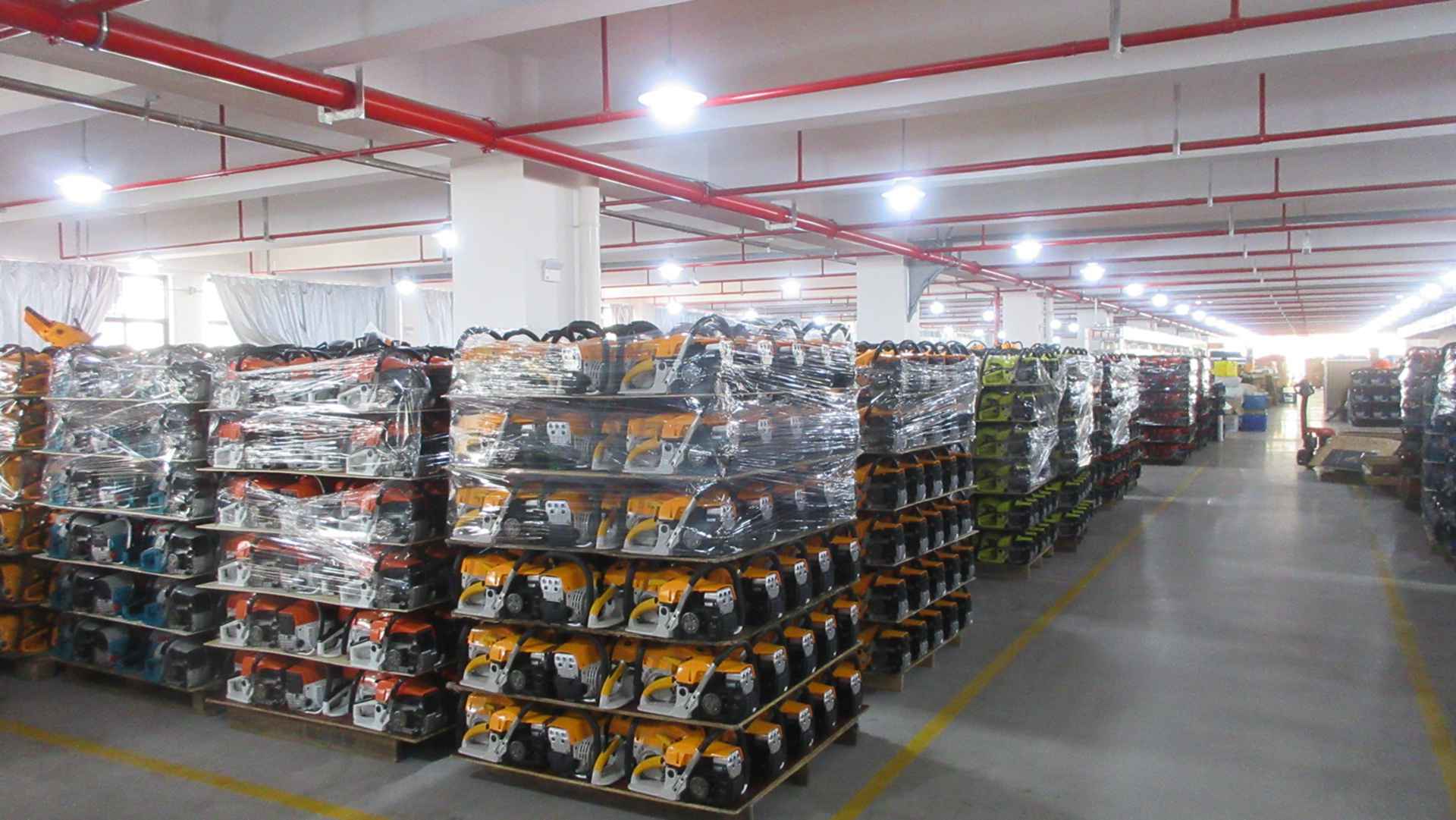
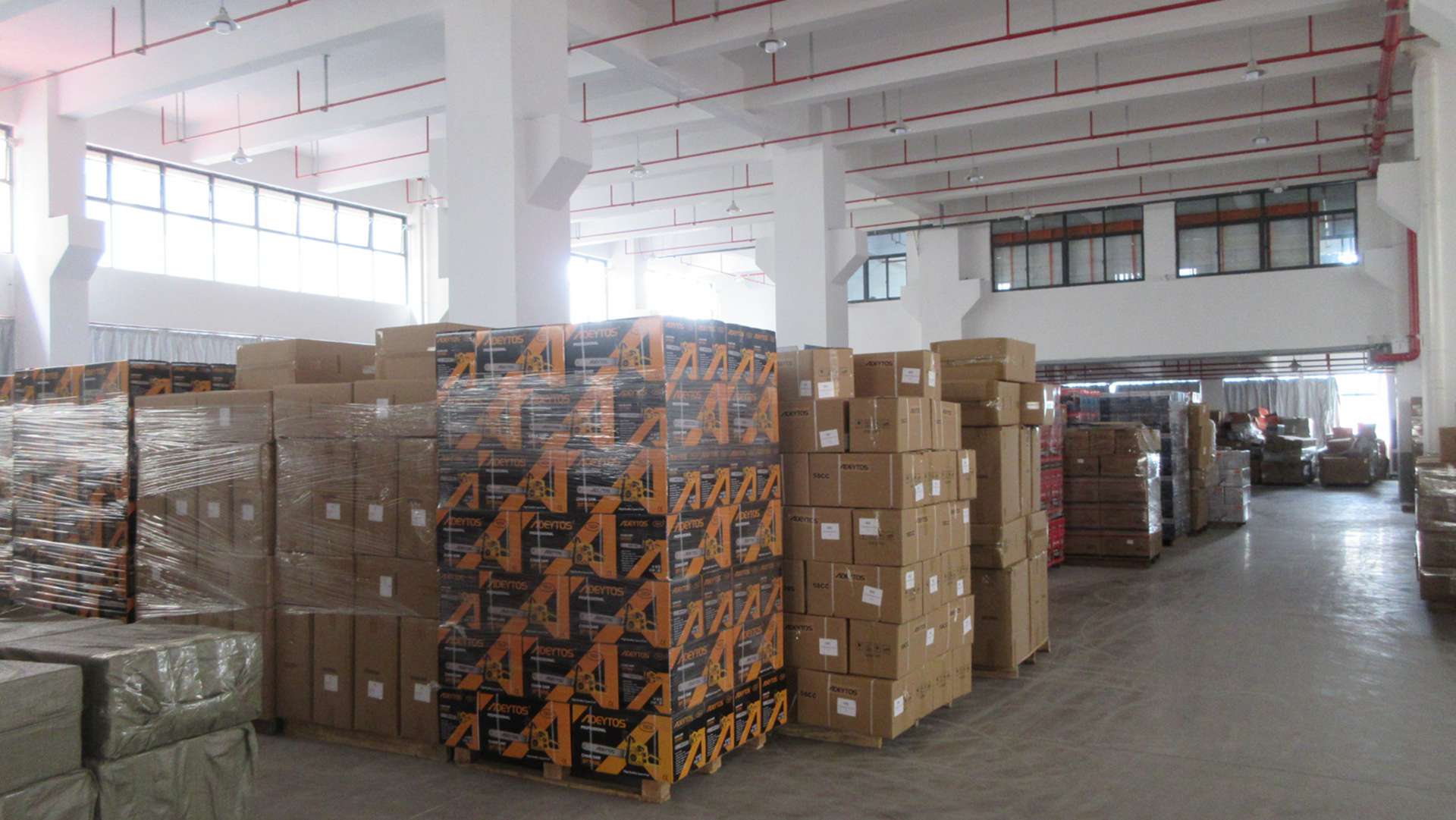
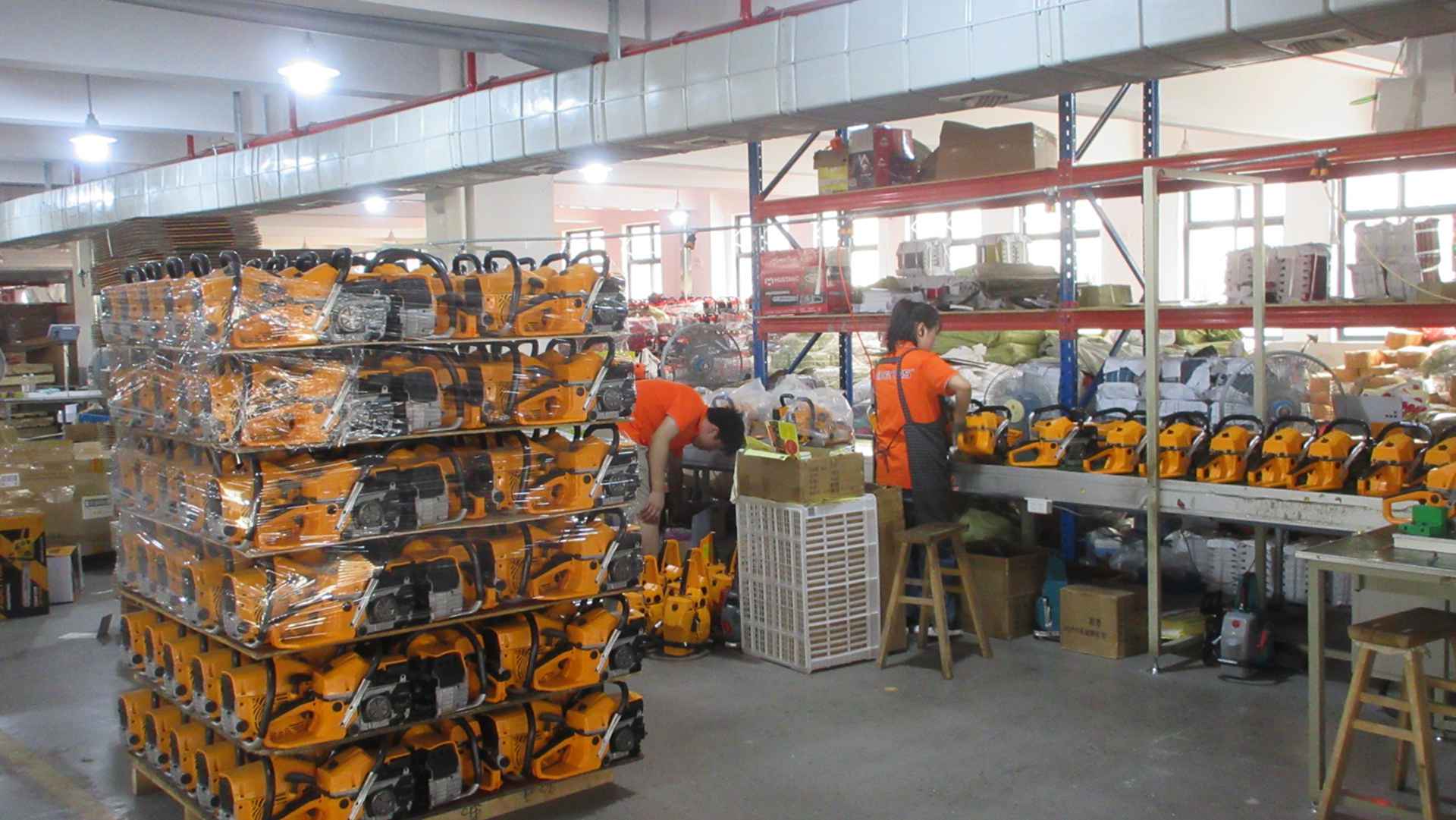
Take an inside look at our state-of-the-art manufacturing facility, displaying advanced processes from automated welding to precise quality inspection and storage.
Gain key insights into material selection, cell counts, automated machinery tolerances, and ordering logistics from our technical engineering team.
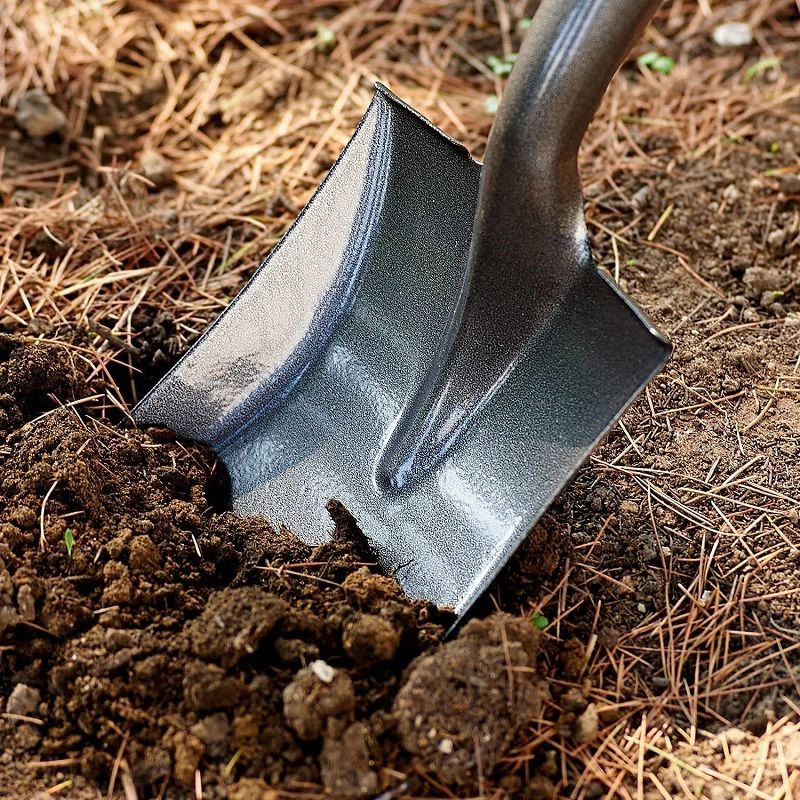
Explore our extended catalog of professional agricultural tools, landscaping weeding gear, and walking tractor cultivators built to meet strict global export standards.
 Moxie Garden