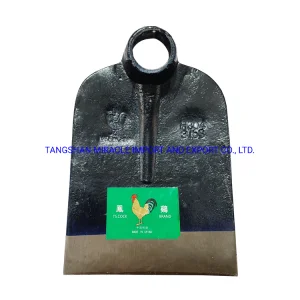
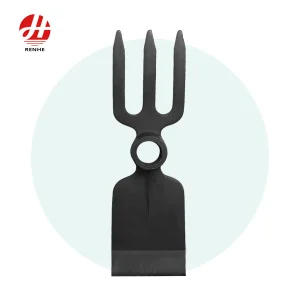
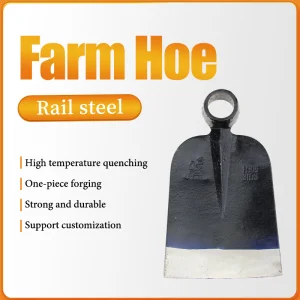
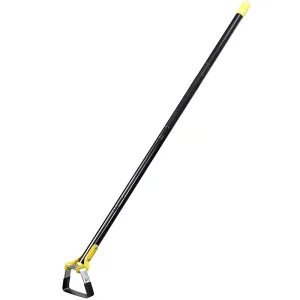
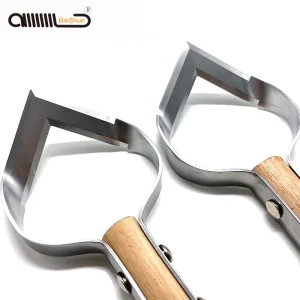
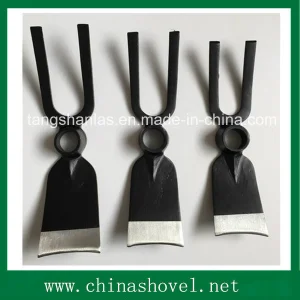
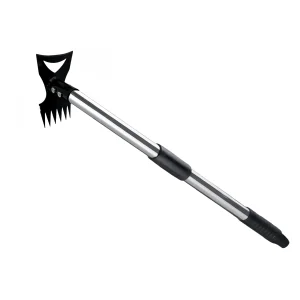
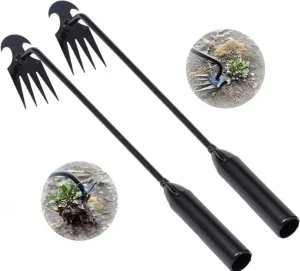
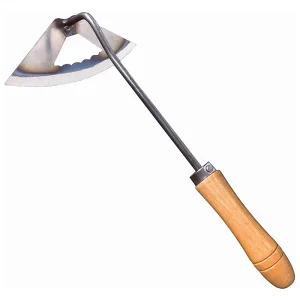
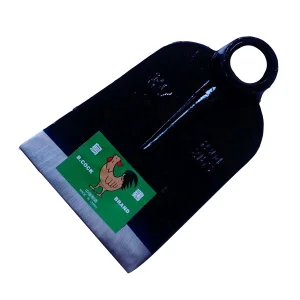
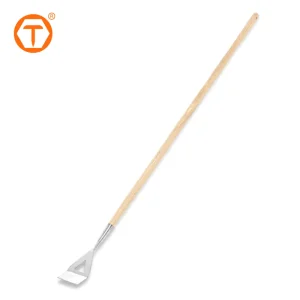
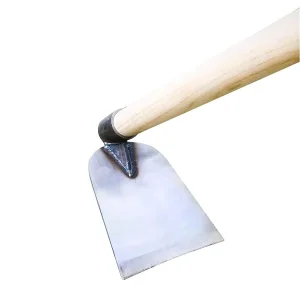
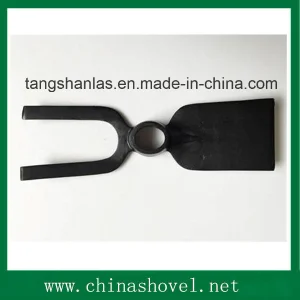
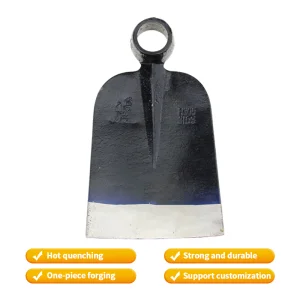
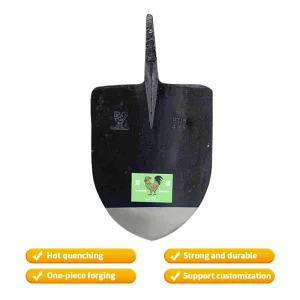
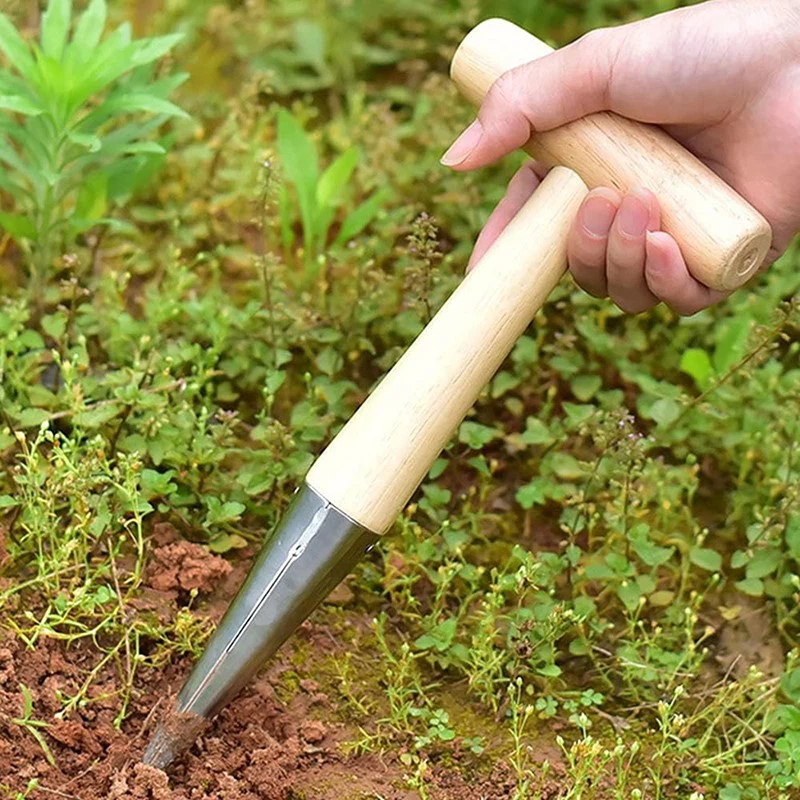
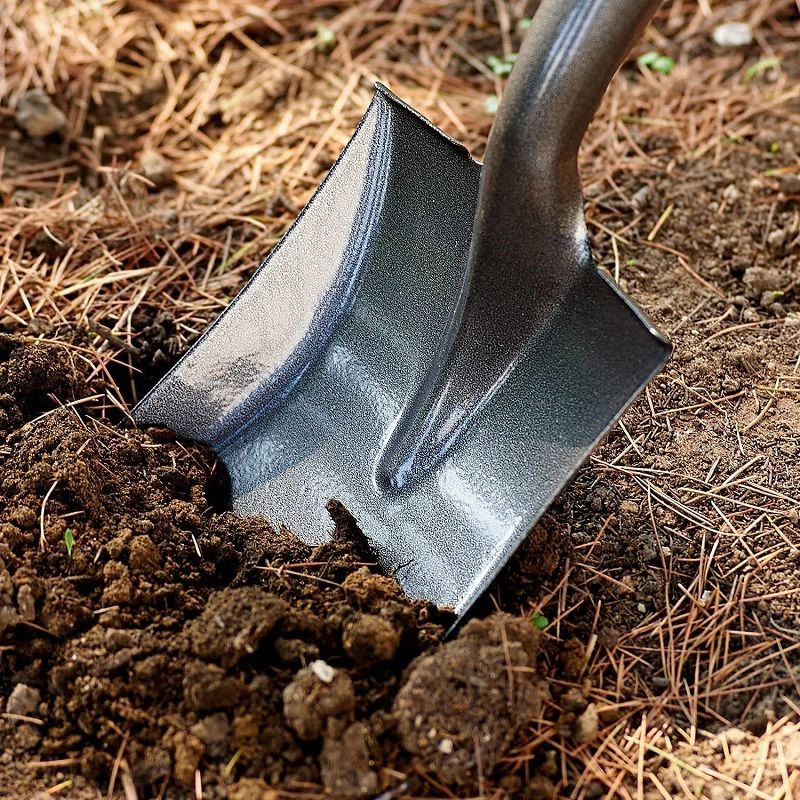
Specifically curated to address Lesotho’s basaltic clay soil and steep mountain terraces, these high-tensile forged railway steel hoes provide the optimal structural integrity required by local farmers to maximize yield.
Lesotho, often called the "Kingdom in the Sky," presents a unique set of geographic challenges that directly impact its agricultural sector. With an elevation consistently exceeding 1,400 meters, agricultural activities are split between the lowlands, foothills, and the rugged mountain ranges. The soils in these regions are primarily basalt-derived in the mountains and duplex or clay-heavy in the lowlands. Consequently, standard light-duty agricultural hand tools manufactured for soft loamy soils fail quickly due to micro-fractures and edge deformation.
Smallholder farmers in Lesotho cultivate under rain-fed conditions, producing staple crops such as maize, sorghum, wheat, and beans. Due to the hilly topography and fragmentation of arable land, mechanization via tractors is highly restricted in the mountainous highlands. This makes high-durability hand hoes the primary tool for tillage, weeding, and seedbed preparation. Sourcing tools that can withstand contact with stony soils while remaining light enough to minimize operator fatigue is a top priority for B2B agricultural importers, NGOs, and cooperatives across the Maseru, Leribe, and Mafeteng districts.
To serve the southern African commercial market, global B2B procurement officers require manufacturers that comply with rigid quality assurance metrics. Hand hoes designed for bulk tenders must meet strict parameters, including raw material chemistry, heat treatment profile, and weight-to-balance metrics. Carbon steel content must be precisely managed to ensure the tool head is hard enough to maintain a sharp working edge, yet flexible enough to absorb high-impact forces without cracking.
At Zhejiang Moxie Garden Co., Ltd., we construct our premium hoe ranges using railway-grade high-carbon steel and hardened manganese steel (65Mn). By executing a temperature-controlled oil-quenching heat treatment process, we achieve a Rockwell hardness index of 45-52 HRC across the cutting edges. This ensures our hoes bypass the common failures of low-grade castings, which often wear down within a single cultivation season in Lesotho's dryland soils.
Zhejiang Moxie Garden Co., Ltd. is a leading manufacturer specializing in the production and global trade of high-durability garden tools, agricultural implements, and specialized landscaping equipment. Our production facility is located in Zhejiang Province, a major hub for metalworking technology. This location provides us with access to premium steel supplies and allows us to implement cost-effective manufacturing practices.
In 2022, we successfully exported products to 32 countries and regions worldwide, serving major retailers, traditional agricultural distributors, and e-commerce platforms. Our annual revenue exceeded 5 million USD. This solidifies our position as a reliable B2B supply chain partner for agricultural implements across sub-Saharan Africa, including the Lesotho market.
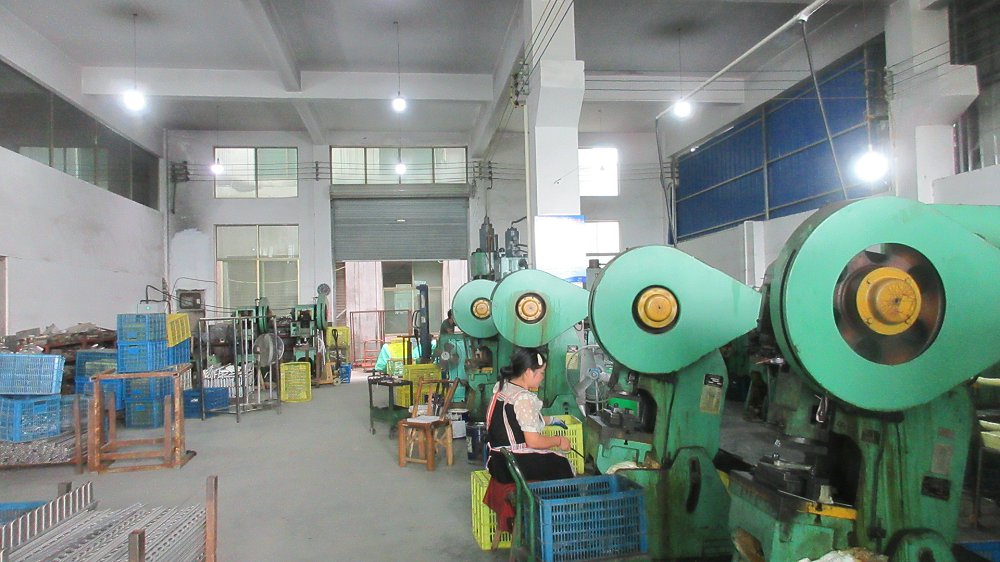
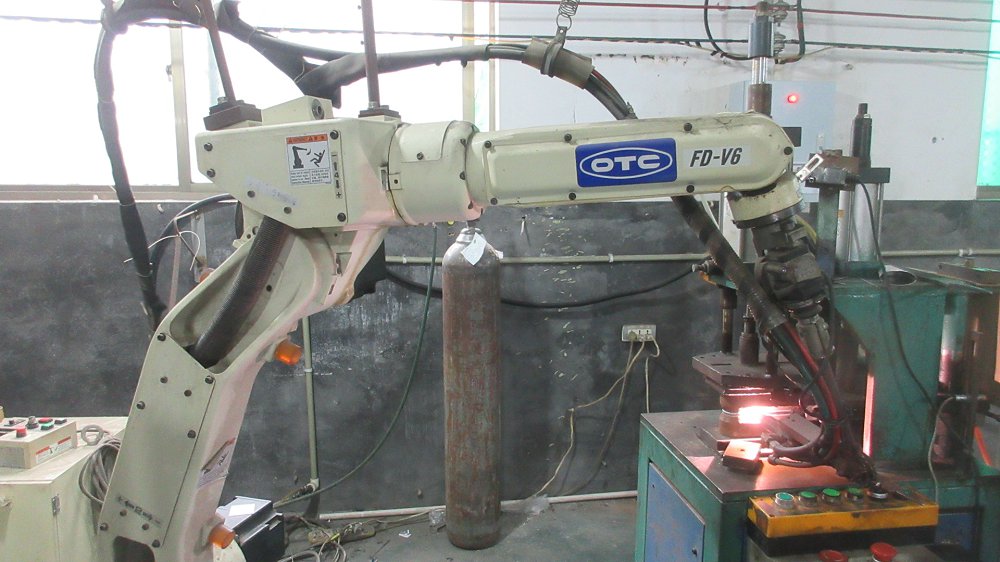
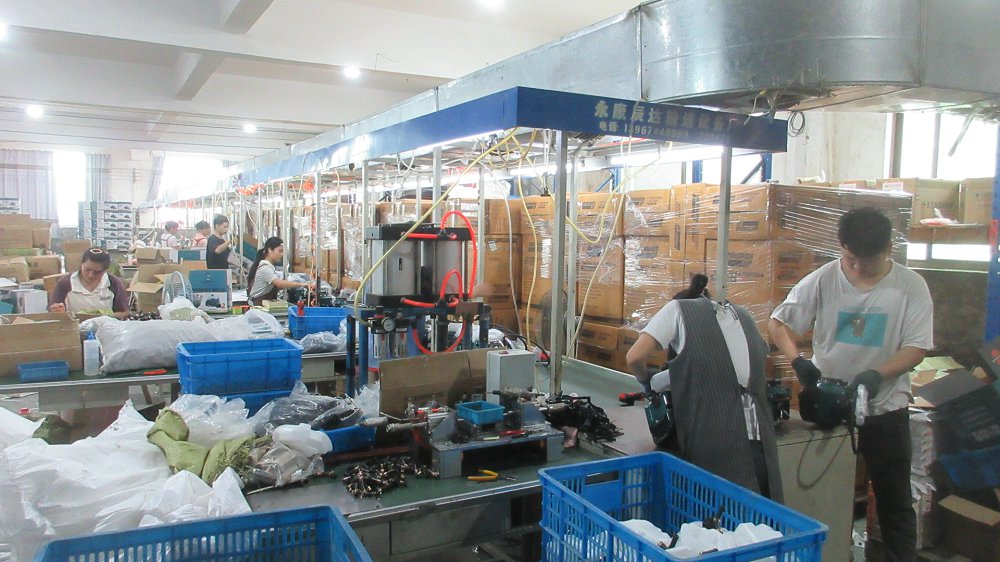
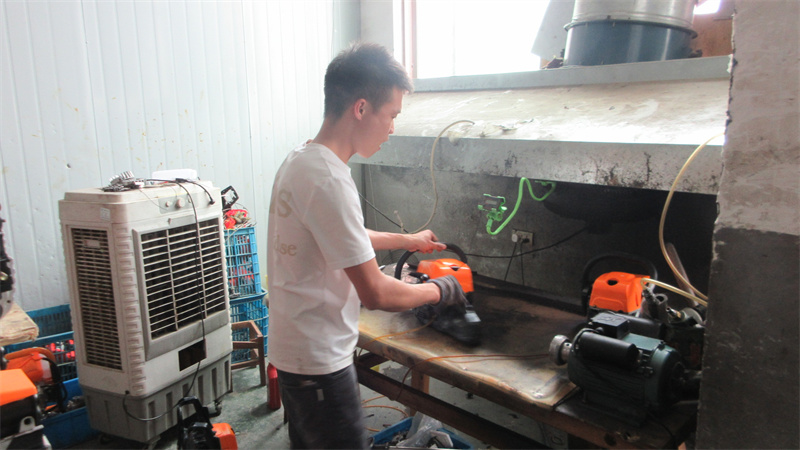
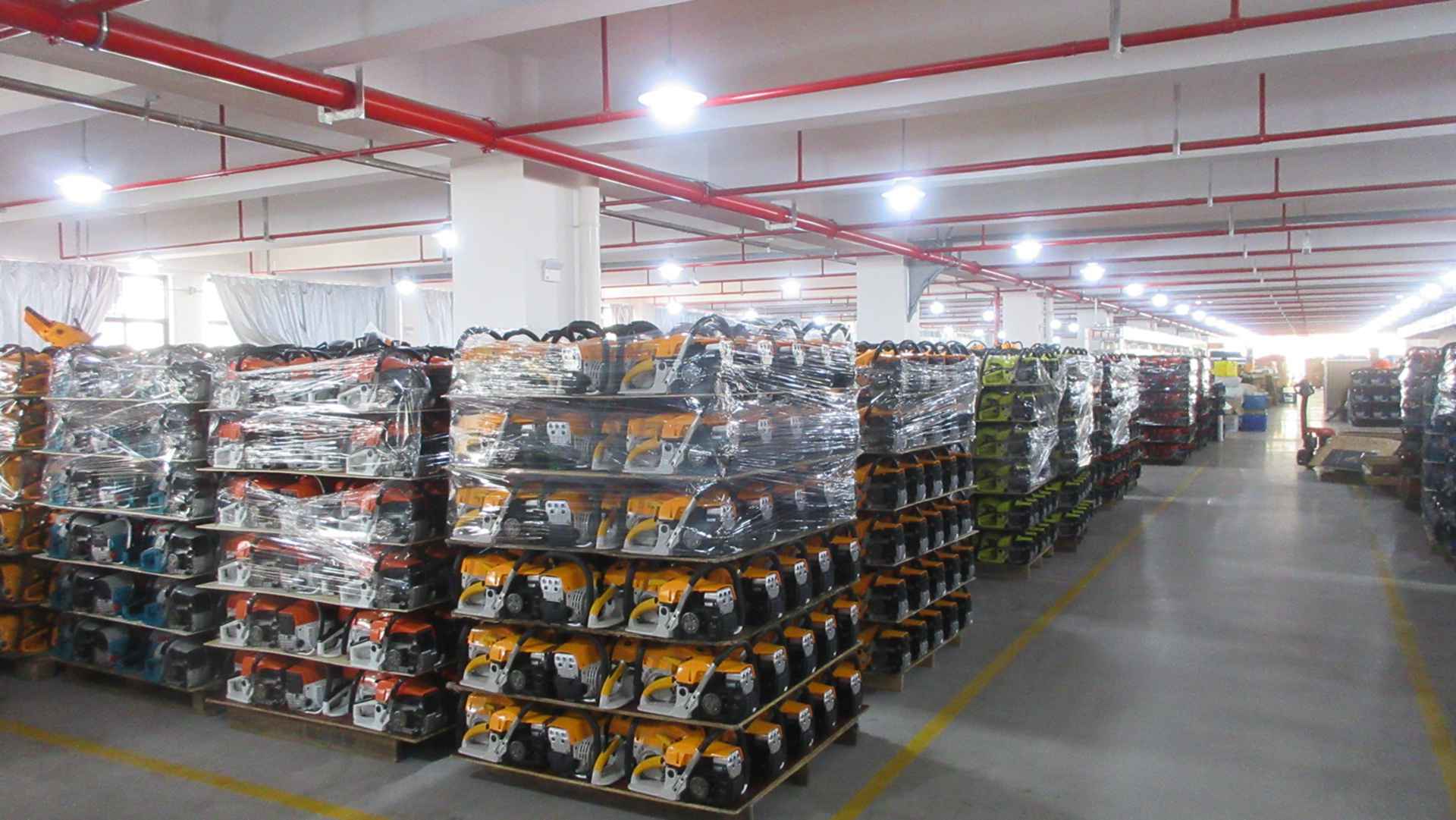
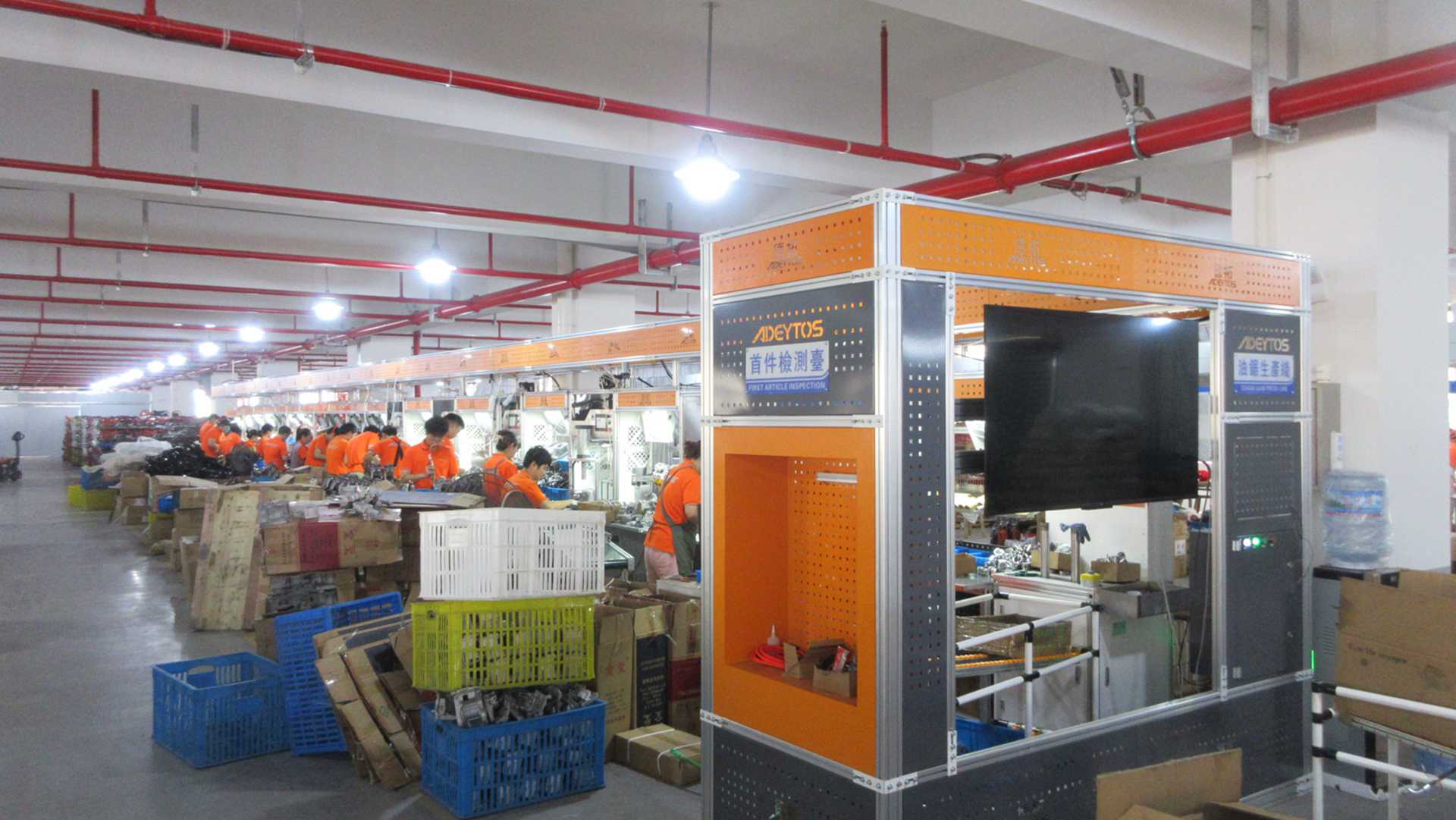
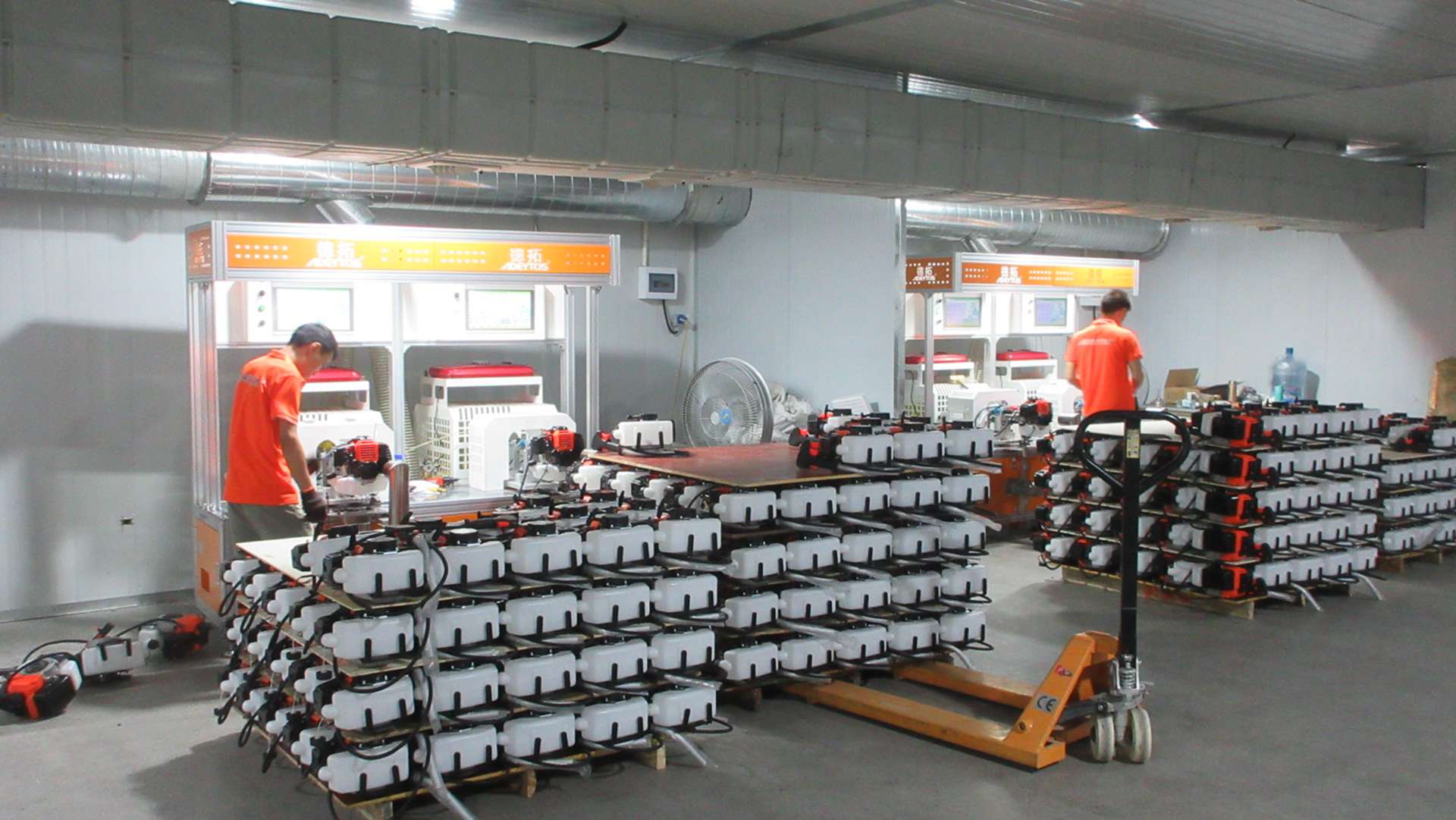
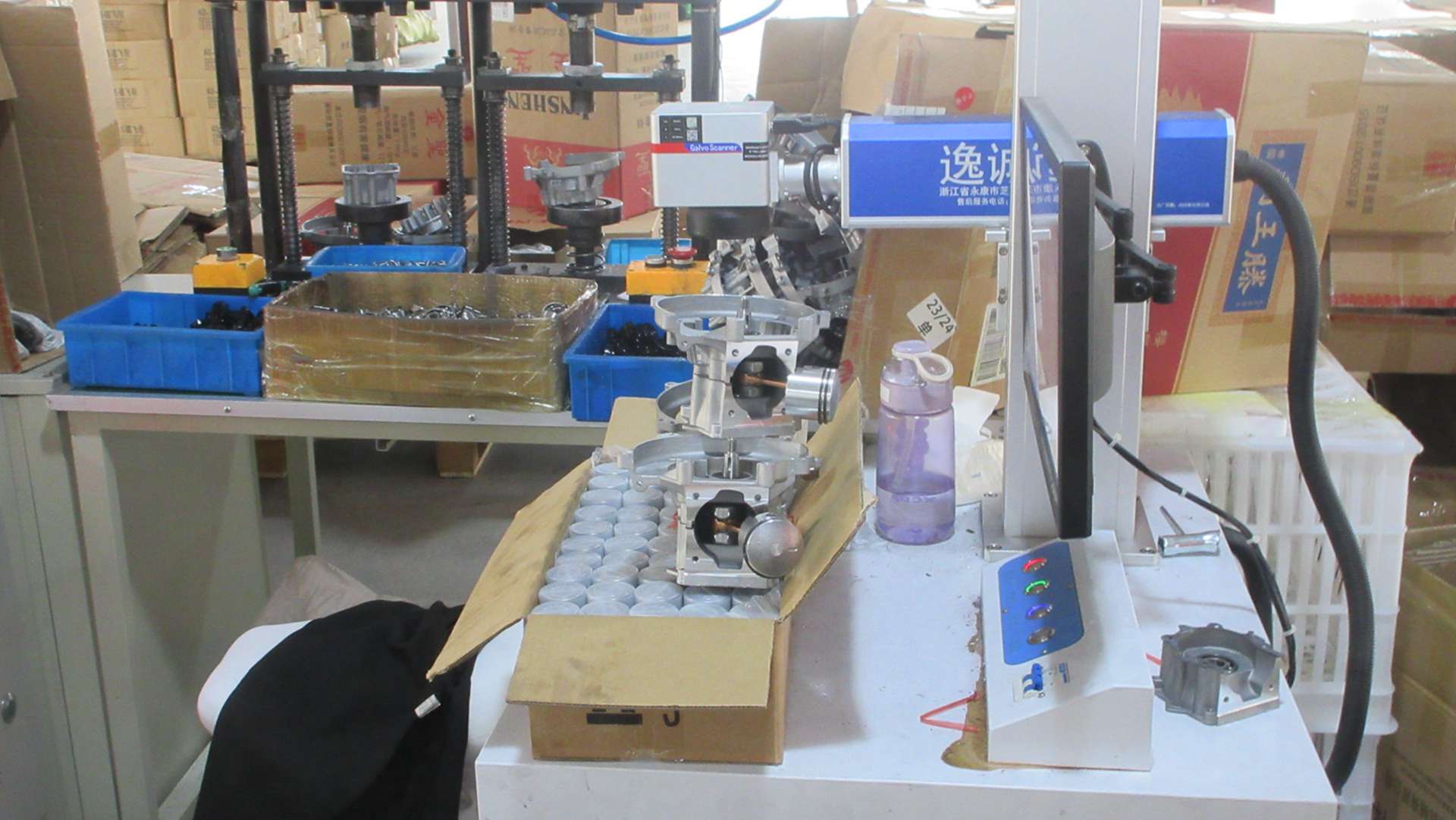
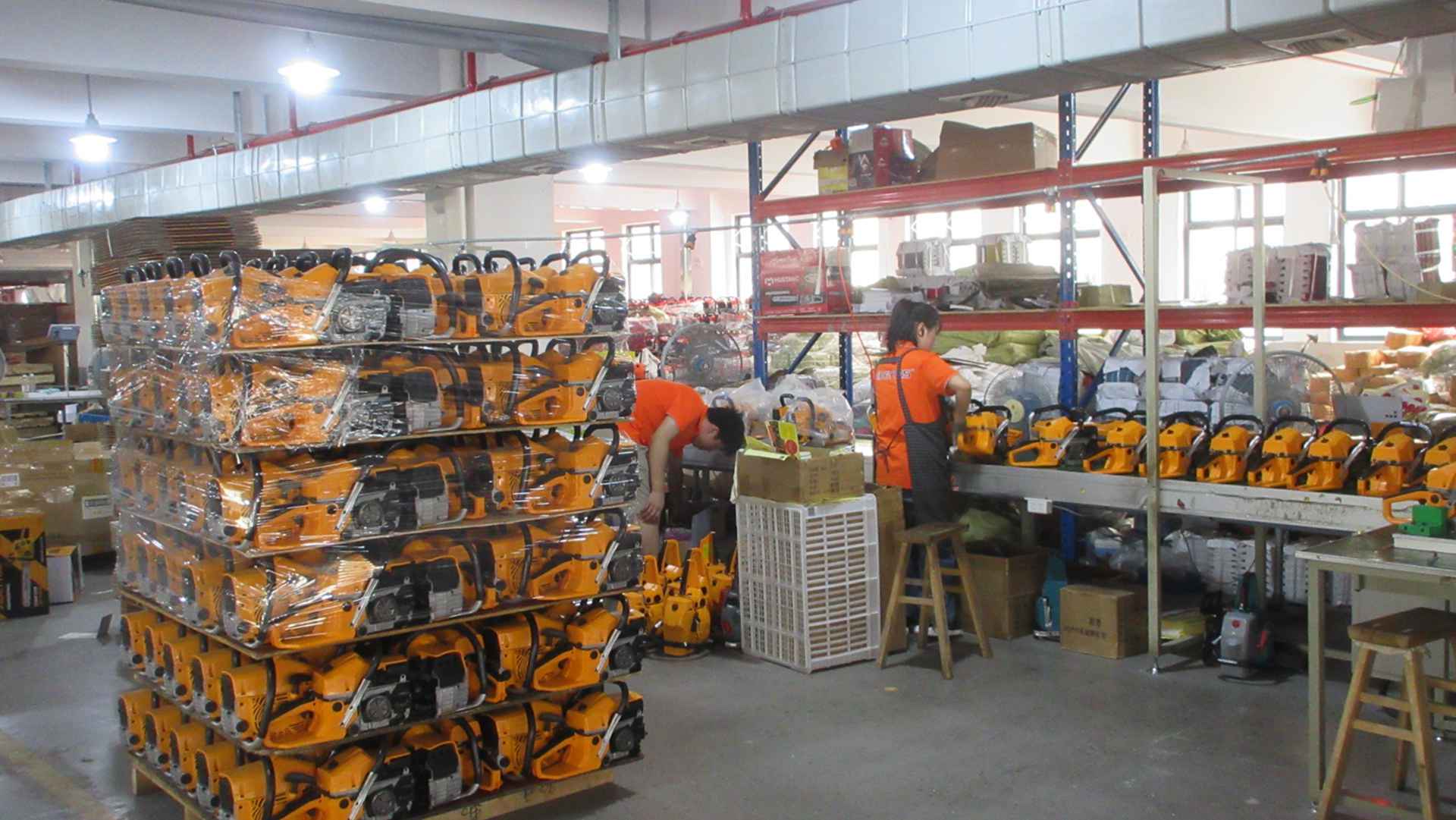
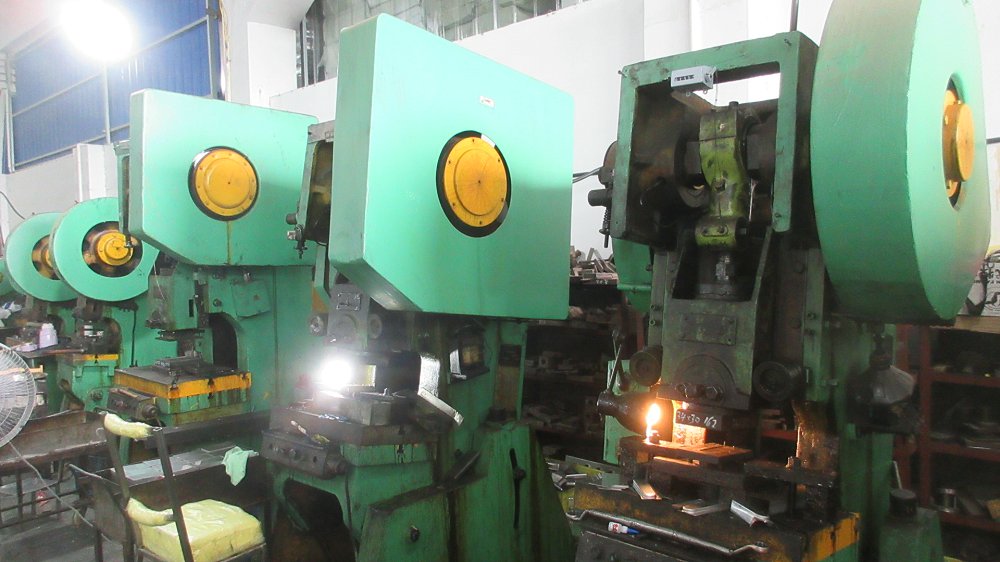
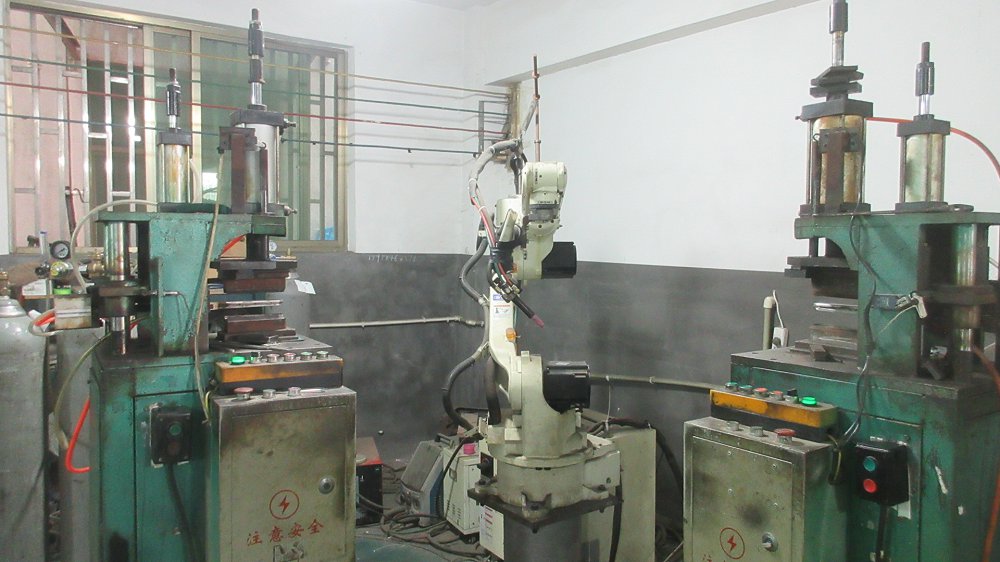
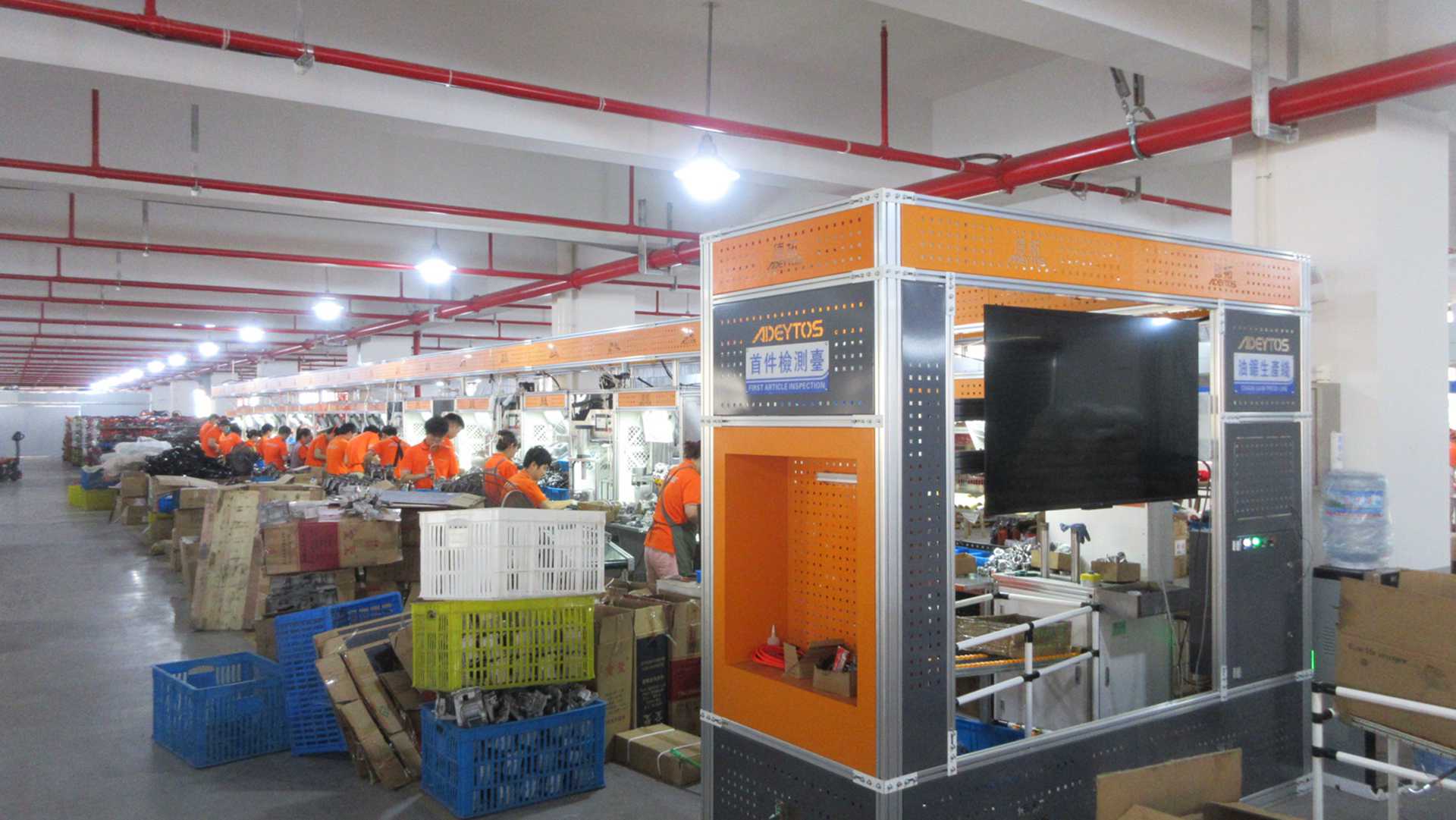
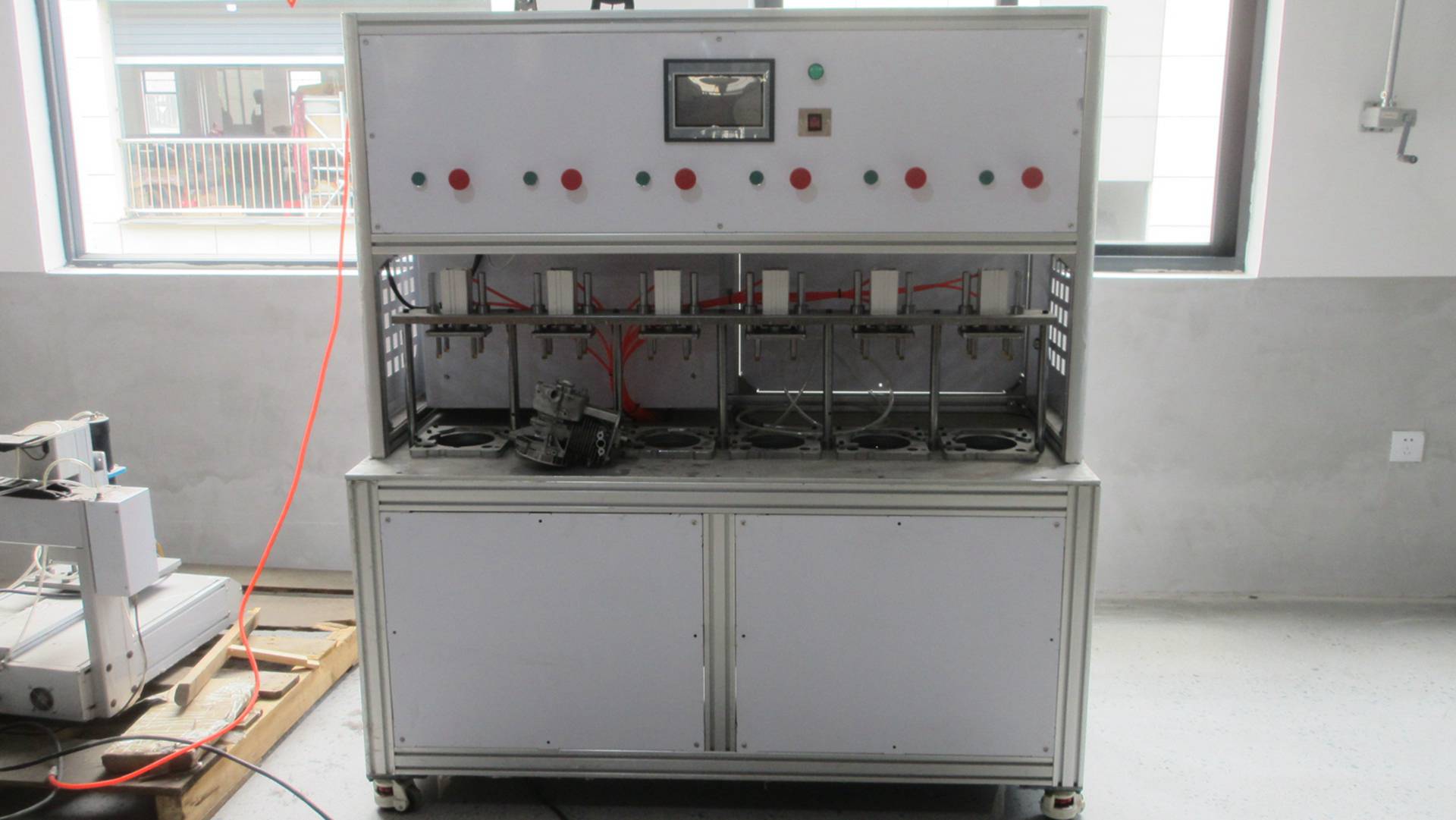
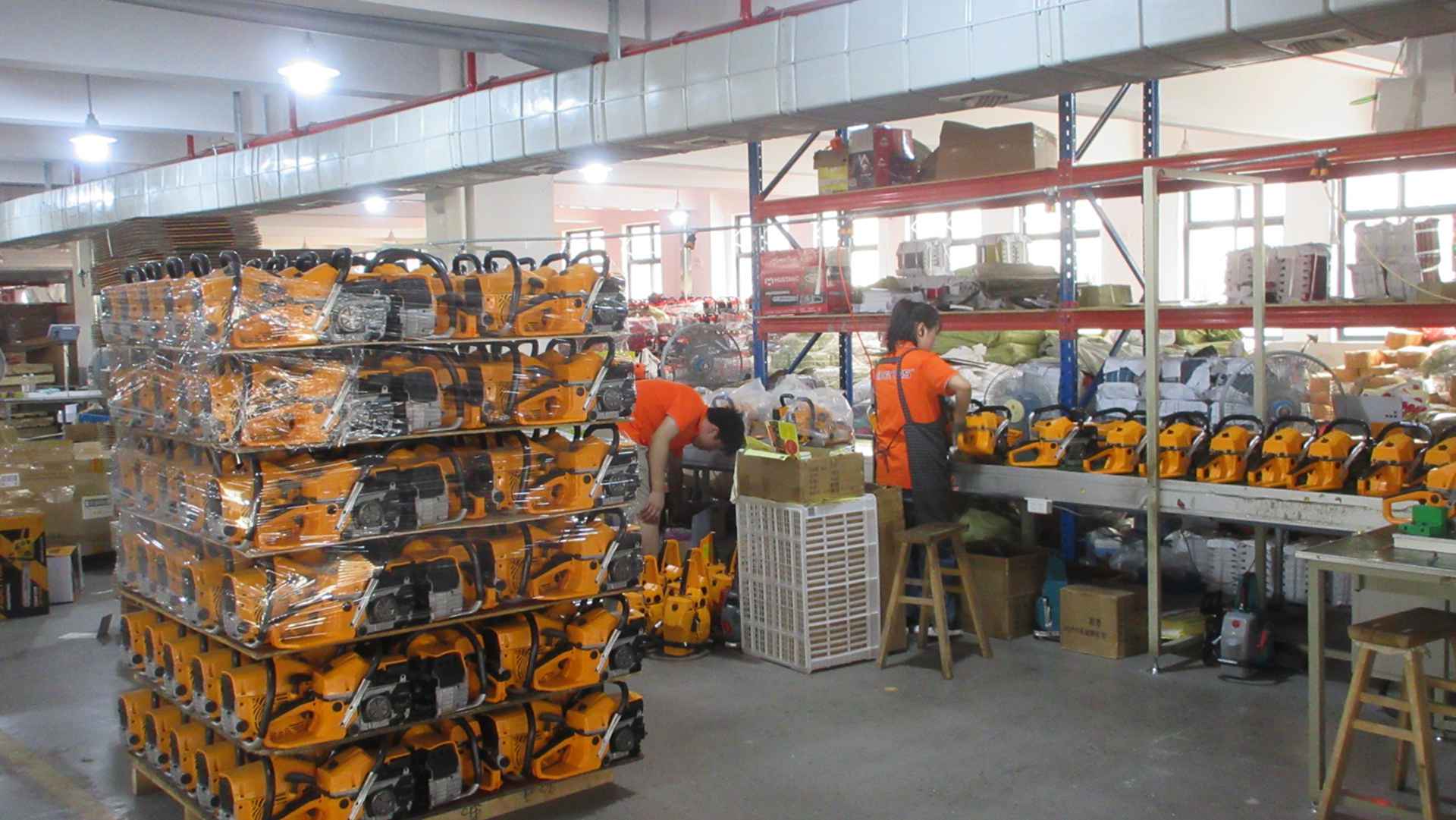
Our factory houses a fully integrated production line that covers every stage of manufacturing—from raw material casting and stamping to final coating, welding, assembly, and rigorous load testing. Our infrastructure includes:
As agricultural practices evolve to face shifting climatic patterns in Southern Africa, our R&D division has focused on structural innovations to improve hand tool performance. The traditional hoe can be optimized through careful engineering. Key areas of focus include mechanical leverage ratios, blade taper angles, and vibration absorption.
Unlike traditional cast iron hoes, which contain internal air bubbles and impurities, our roll forging process aligns the metal's internal grain structure. By compressing hot steel under high pressure, we increase the density and tensile strength of the hoe head. This results in a blade that can strike rocks without shattering or bending.
Prolonged tool use can cause physical strain on workers. To improve comfort, we offer customizable connection styles. These include deep-socket eyelets and reinforced collar mounts, which distribute impact forces away from the operator's hands. Handles can be manufactured from shock-absorbing ash wood, high-strength fiberglass, or slip-resistant thermoplastic rubber (TPR).
Explore our full line of hoes, rakes, weeding tools, and specialty implements. We support customization options for handle lengths, head weights, and bulk packaging styles.
We control all phases of the manufacturing process in-house. Our facility utilizes automated machinery and strict quality control measures to maintain consistent standards across large production runs.
Shipping agricultural equipment to Lesotho requires a clear understanding of regional trade regulations and logistics. As a landlocked country inside South Africa, Lesotho relies on specific transport corridors to receive international freight. Our logistics team regularly handles these shipping routes to ensure reliable delivery.
Most shipments bound for Maseru or Maputsoe enter through the Port of Durban. From there, goods are transported via rail or road through the border posts at Maseru Bridge or Maputsoe Bridge. We package all bulk tool orders in reinforced, moisture-resistant crates to protect them during ocean transit and subsequent overland transport.
Lesotho is a member of the Southern African Customs Union (SACU). Imports of agricultural tools under HS Code 8201.30 (Hoes, forks, and rakes) are subject to specific customs tariffs and documentation. We provide all necessary import documentation, including certificates of origin, SGS test certifications, and customized packing lists, to help facilitate smooth customs clearance at the border.
Below are answers to common technical and logistical questions asked by agricultural importers, distributors, and NGOs operating in Southern Africa.
Railway steel is made from high-carbon alloys that naturally resist wear and bending. Lesotho’s agricultural lands, particularly in the foothills and mountain regions, contain basaltic stones and dry clay. Tools made from standard steel can bend or dull quickly under these conditions. Railway steel heads maintain their edge longer and resist fracturing when striking stones.
We offer flexible OEM/ODM options. Our standard minimum order quantity for custom laser branding or private label packaging is typically 1,000 units per model. For standard, unbranded tools or established designs, we can support smaller trial orders. Please contact our sales team to discuss your specific requirements.
All of our tools receive a multi-stage surface treatment. Following the forging and polishing steps, we apply an electro-deposition paint or high-durability powder coating. This creates a barrier against moisture and air, preventing rust during sea transit and long-term storage in local warehouses.
Yes. We can adjust the weights of our tool heads (commonly ranging from 2.0 lbs to 3.5 lbs) and customize eyelet configurations (round, oval, or tapered) to match local handle styles. Our in-house mold design and tooling capabilities allow us to adjust these specifications according to your requirements.
Production times typically range from 30 to 45 days, depending on order size and customization needs. Transit by sea from Ningbo or Shanghai port to Durban takes approximately 25 to 30 days. Overland transit and customs clearance to Maseru adds an additional 7 to 10 days. In total, we recommend planning for a lead time of 70 to 90 days from order placement to delivery.
Zhejiang Moxie Garden Co., Ltd. provides durable, high-quality hand tools designed for challenging terrains. Contact us today to discuss pricing, custom manufacturing options, or regional shipping arrangements.
 Moxie Garden